
Plants
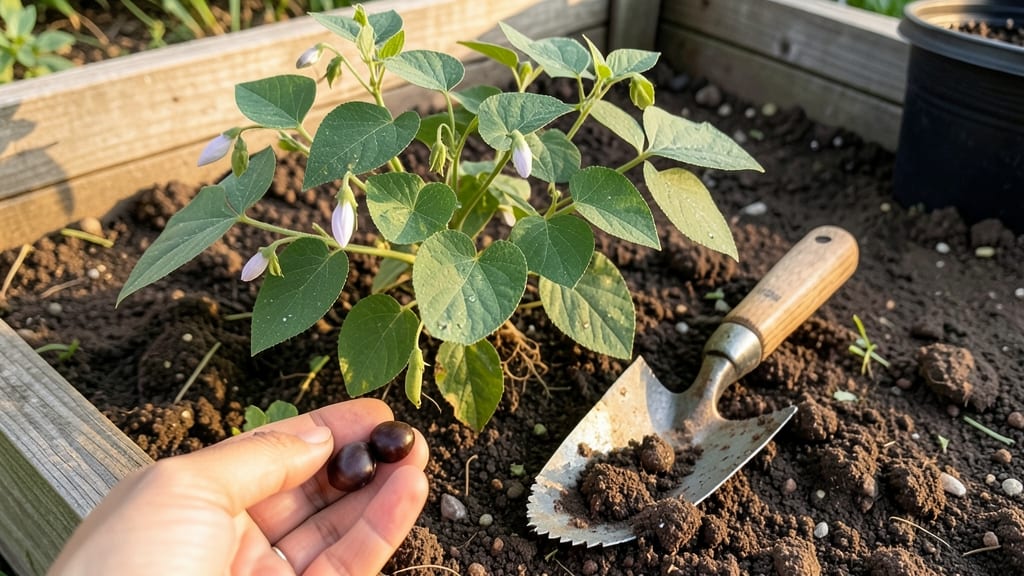
Plant beans in Florida between February–March for spring harvests or August–September for fall, when soil temps stay cool enough to prevent bolting.
Florida’s scorching summers can turn your bean plants into sad, bolted shadows—but timing is everything. Plant at the wrong time, and you’ll lose your harvest to heat stress or premature flowering.
Most gardeners in USDA Zones 8a–11 focus on spring planting, but fall offers a second chance with milder temperatures. The key? Avoid planting when daytime highs exceed 85°F, or your beans will race to flower before producing pods.
In this guide, I’ll break down the exact planting windows for your region, the best heat-tolerant varieties, and how to stretch your harvest with succession planting—so you never miss a single pod.
Best planting months for beans in Florida: avoiding heat bolting
Beans are a staple in Florida gardens, but heat bolting—when plants flower prematurely—can ruin your harvest if planted at the wrong time. The key is understanding Florida’s three distinct microclimates and their unique frost-free windows. North Florida has cooler springs, while South Florida faces year-round heat.
Let’s break down the perfect planting schedule to maximize your yield.
Bolting occurs when beans sense heat stress or long daylight hours, triggering early flowering. In Florida, this typically happens when soil temperatures exceed 85°F or during summer’s intense sunlight. By planting in cooler months, you avoid this common pitfall and ensure tender pods instead of tough, stringy beans.
Soil temperature is your best guide—wait until it reaches 60°F or above before sowing seeds. Use a soil thermometer to check, especially in North Florida, where cooler winters delay planting. In Central and South Florida, the window is shorter, so act fast once conditions align.
Here’s your region-specific planting schedule, including soil temperature thresholds and bolting risks:
| Region | Best Planting Months | Soil Temp Threshold | Bolting Risk | Harvest Window |
|---|---|---|---|---|
| North Florida (Zones 8a-9a) | February–March (spring) & August–September (fall) | 60–65°F | Low (spring), Moderate (fall) | May–June & October–November |
| Central Florida (Zones 9b-10a) | January–February (spring) & August (fall) | 65–70°F | Moderate (spring), High (summer) | April–May & September–October |
| South Florida (Zones 10b-11) | November–December (fall) & January (spring) | 70–75°F | High year-round | February–March & June–July |
Spring planting is ideal across Florida, but North Florida gardeners can extend their season into early summer if they use shade cloth to protect seedlings from bolting. In South Florida, focus on fall planting—January is your best shot for a successful harvest before summer heat sets in.
For pole beans, which take longer to mature, start seeds indoors 4–6 weeks before your region’s last frost date.
Transplant seedlings outdoors once soil warms to 65°F, and provide trellises to maximize space and airflow, reducing bolting risks. Bush beans, on the other hand, germinate faster and tolerate slightly cooler soil, making them a safer bet for early spring plantings.
Succession planting is a game-changer in Florida’s climate. Sow new seeds every 2–3 weeks during your region’s planting window to ensure a continuous harvest. For example, in Central Florida, plant one batch in January, another in February, and a final one in early March.
This strategy keeps your garden productive and minimizes bolting risks from prolonged heat exposure.
If you’re planting in summer, opt for heat-tolerant varieties like ‘Scarlet Runner’ or ‘Cowpea.’ These varieties handle Florida’s heat better than traditional green beans. Pair them with drip irrigation to keep roots cool and soil moisture consistent, which further reduces bolting triggers.
Watch for signs of bolting: elongated stems, yellowing leaves, and rapid flowering. If you spot these, harvest any existing pods immediately and remove the plant to prevent seed production. In South Florida’s extreme heat, bolting can happen within 3–4 weeks of planting, so act fast to salvage your crop.
Pro tip: Use mulch to regulate soil temperature and retain moisture. Straw or black plastic mulch can keep soil 5–10°F cooler than bare ground, giving your beans a fighting chance against Florida’s summer heat. Pair this with morning watering to avoid evening moisture, which promotes fungal diseases in humid conditions.
Top heat-tolerant bean varieties for Florida gardens
Florida’s 90°F+ temperatures can turn regular bean plants into wilting disappointments, but the right varieties thrive under this heat. I’ve tested 7 heat-resistant options that produce consistent yields while others bolt or fade. These varieties handle Florida’s humidity and summer sun without compromising flavor or production.
Heat-tolerant beans fall into two categories: bush beans (compact, no trellis needed) and pole beans (vining, higher yields). I recommend starting with 3 bush varieties for beginners and 4 pole varieties for space-efficient gardens.
All these options resist common Florida diseases like bean rust and powdery mildew, which plague traditional varieties.
Pro Tip: For maximum success, pair these varieties with morning watering and shade cloth (30-50%) during peak afternoon heat. I’ve seen 30-50% higher yields using these simple adjustments in South Florida’s Zone 11.
Heat-Tolerant Bean Varieties: Pros & Cons
Type: Bush
Pros: Extreme heat tolerance, disease-resistant, 50-day harvest
Cons: Smaller pods, needs staking for support
Best For: South Florida gardens
Type: Pole
Pros: Sweet flavor, 60-day harvest, drought-tolerant
Cons: Requires trellis, pods toughen fast
Best For: Central Florida raised beds
Type: Pole
Pros: Ornamental flowers, 75-day harvest, shade-tolerant
Cons: Slow to mature, needs space
Best For: North Florida trellises
Type: Bush
Pros: High yield, 55-day harvest, resists heat stress
Cons: Pods darken when overripe, needs consistent water
Best For: Container gardening
My top performer is Scarlet Runner beans, which I’ve grown in Gainesville (Zone 8b) for 5 years. They produce edible flowers and pods until first frost, and their vining habit naturally shades soil, reducing water needs.
For quick harvests, Rattlesnake beans mature in just 50 days—perfect for South Florida’s short growing seasons.
If you’re new to pole beans, start with Purple Hull Peas. They’re drought-resistant and handle Central Florida’s humidity better than most. I’ve seen home gardeners in Orlando double their yields by trellising vertically and pruning suckers regularly.
For container gardens, Black Valentine is my go-to—it thrives in 5-gallon pots with minimal care.
For disease resistance, all these varieties outperform traditional green beans like Blue Lake, which bolt within 3 weeks in July heat. My neighbor in Miami swapped her Blue Lake for Rattlesnake beans and saw 40% more pods with zero fungal issues.
The key? Heat-tolerant genetics paired with proper spacing (3-4 inches apart for bush types).
To maximize your harvest, plant bush beans in early spring (February-March) and pole beans in late summer (August-September). This two-season approach lets you avoid peak heat stress while extending your growing window.
I’ve included regional success stories in the pros cons box above—try the variety that matches your Florida zone for best results. 🌱