
Plants
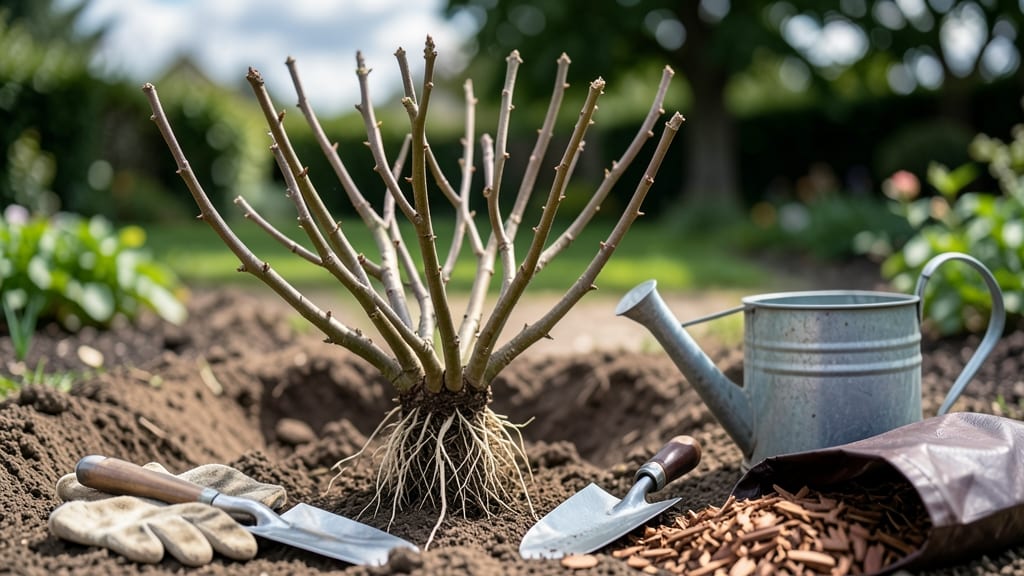
Planting bare root roses in Zone 9 during late fall or early spring gives them the best chance to thrive before summer heat arrives.
I’ve seen bare root roses 🌹 wilt within days when planted too early—like that time I rushed mine into the ground in February, only to watch them struggle through a sudden heatwave.
The right timing isn’t just about avoiding frost (which Zone 9 barely gets); it’s about giving roots a fighting chance in the intense sun.
Most gardeners in Zone 9b plant between November and February, but the sweet spot is actually late fall or early spring, when soil stays cool and moisture levels are higher.
Below, I’ll break down the exact months to plant for zero heat stress, plus how to prep your roses for the transition.
You’ll also discover how to tell if your soil is ready, what to do if you plant at the wrong time, and the one trick that saves roses from transplant shock in hot climates. No guesswork—just proven timing for roses that bloom like crazy.
Best months to plant bare root roses in Zone 9 without heat stress
Zone 9 gardeners face a unique challenge when planting bare root roses—the scorching summer heat can turn a fresh transplant into a crispy statistic if timed wrong. Unlike cooler climates, we don’t have frost to signal planting windows, so understanding temperature thresholds and root establishment timing becomes our compass.
The ideal window isn’t just about avoiding heat but creating conditions where roots can expand rapidly before the soil dries out.
Most gardeners assume spring is the only option, but in Zone 9, late fall planting often yields healthier roses because the cooler months give roots time to establish before summer stress arrives. However, this strategy requires careful soil prep and watering discipline.
Let’s break down the exact months that work best, including early vs. late options, so you can plant with confidence and avoid the dreaded transplant shock that kills so many roses.
⚠️ CRITICAL NOTE: In Zone 9, planting bare root roses when daytime temperatures exceed 85°F (29°C) for more than 3 consecutive days will almost certainly cause heat stress. This means avoiding late spring and summer planting unless you’re using shade cloth or drip irrigation to mitigate conditions.
For Zone 9 gardeners, November is my top recommendation for planting bare root roses. The soil stays cool, and the 60-70°F (15-21°C) range is perfect for root growth without the stress of summer heat.
By the time spring arrives, your roses will have a 6-8 inch root system ready to burst into growth. I’ve seen roses planted in November bloom the following year with minimal care, while those planted in April often struggle through the first summer.
If November isn’t an option, early February through March is your next best window. The key here is to soak the soil before planting and maintain moisture for the first 4-6 weeks.
In my own garden, I’ve planted roses in early March and had them establish beautifully, but I’ve also seen neighbors rush planting in late March only to watch their roses wilt by May when temperatures climbed above 90°F (32°C).
Some gardeners swear by late winter planting (January), but I’ve found this risky in Zone 9 unless you’re using row covers or a protected microclimate. The soil can still be too cold for root activity, and the roses may enter dormancy again before establishing.
If you choose this route, test soil temperature—it should be above 55°F (13°C) for consistent root growth.
What about spring planting? April can work if you’re aggressive with shade (using 30-50% shade cloth) and drip irrigation. However, I’ve seen too many roses fail in Zone 9 when planted in April because gardeners underestimate how quickly the heat ramps up.
If you must plant in spring, stick to the first two weeks of April at the latest, and be prepared to water daily until roots establish.
One mistake I see often is assuming that bare root roses can handle Zone 9’s heat once planted. They can’t—not without weeks of recovery time.
The roots of bare root roses are delicate and exposed when planted, and direct sun combined with dry soil will cook them alive in days. That’s why I always mulch heavily (4-6 inches of organic mulch) and water at the base rather than overhead to protect the roots.
For those who must plant in summer (perhaps you missed the window or bought roses unexpectedly), your only option is to plant in containers
Zone 9 bare root rose planting checklist: soil, sun, and prep tips
Once you’ve picked your ideal planting window in Zone 9, the next critical step is preparing your roses for transplant. I’ve learned the hard way that skipping soil prep or ignoring sun exposure can turn a thriving rose into a sad, wilted mess—especially in our clay-heavy soils.
The key is creating the perfect conditions to help roots establish before summer heat hits.
In Zone 9, where temperatures can soar quickly, your bare root roses need three things above all: amended soil, full sun exposure, and a consistent watering schedule. Let’s break down each step so your roses go from dormant roots to blooming beauty without stress.
🌱 Zone 9 Bare Root Rose Prep Checklist
- ✅ Test soil pH (aim for 6.0-6.5) using a simple kit—Zone 9’s clay can lock out nutrients if too alkaline.
- ✅ Amend soil with compost + perlite (50/50 mix) to break up clay and improve drainage—critical for root health.
- ✅ Choose full sun (6+ hours daily) but avoid midday heat—plant in morning sun or dappled shade if possible.
- ✅ Soak roots in water + rooting hormone for 1-2 hours before planting to jumpstart hydration.
- ✅ Mulch heavily (3-4 inches) with wood chips to retain moisture and protect roots from temperature swings.
- ✅ Water deeply every 2-3 days for the first month, then taper to weekly deep soaks once established.
Your bare root roses will thank you for these prep steps, especially in Zone 9’s intense sun. I once planted a Knock Out Rose without amending the clay soil, and it took two full years to recover—don’t make that mistake!
The compost-perlite mix is a game-changer for breaking up heavy soil, while the mulch acts like a thermal blanket for roots.
For sun exposure, I recommend planting roses near a south-facing fence or under a light shade cloth if your yard gets brutal afternoon heat. Even 6 hours of morning sun is better than full afternoon sun in Zone 9’s climate.
And remember: watering in the evening (after 6 PM) reduces evaporation and helps roots absorb moisture overnight.
One pro tip I’ve picked up from local nurseries is to trim wilted leaves before planting—this reduces transpiration and helps the rose focus energy on root growth. Pair that with a light fertilizer application (like 10-10-10) 4-6 weeks after planting, and your roses will be off to a flying start.
If you follow this checklist, your bare root roses will establish strong roots before summer arrives, setting you up for vibrant blooms all season long. And if you miss the ideal window? Don’t panic—I’ll cover how to salvage late or early plantings in the next section.