
Plants
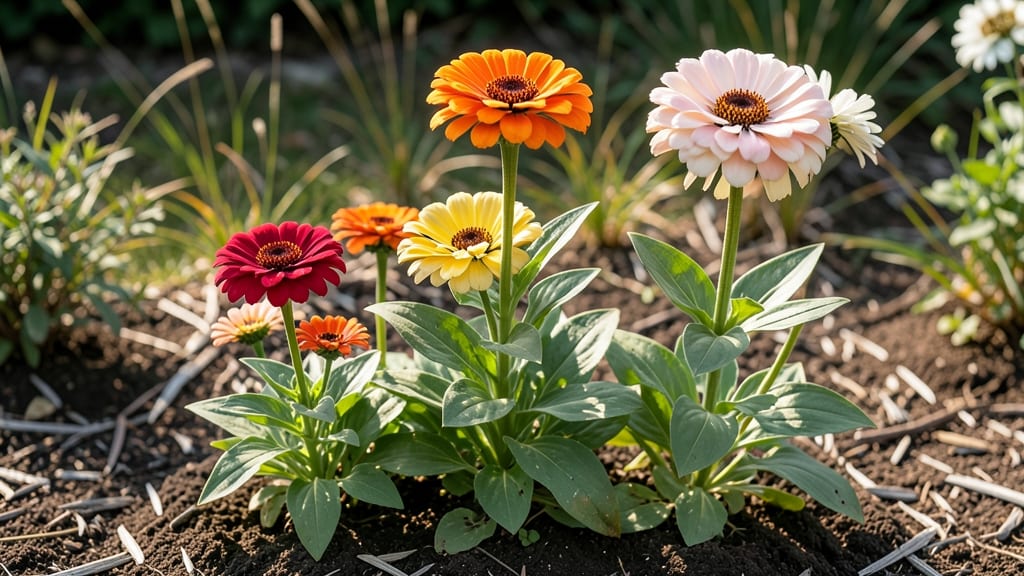
Zinnia plants grow between 1 and 4 feet tall, but the exact height depends entirely on the variety you choose — and picking the right one can transform your garden from a sea of tiny blooms to a towering floral display.
Picture this: a dwarf zinnia like 'Thumbelina' stays neatly under a foot, perfect for window boxes or container gardens, while a 'Benary’s Giant' can stretch to 4 feet or more, making it a statement piece in backyard borders. The difference isn’t just about space—it’s about the drama your garden needs.
Sunlight, soil, and even a little pruning can tweak that height range, but the foundation starts with variety selection. Whether you’re working with limited space or dreaming of a vertical floral wall, knowing your zinnias’ potential height helps you plan with confidence.
Below, I break down the height chart by variety type, share tips for controlling growth, and highlight the fastest-growing tall zinnias for quick impact. Let’s get your garden’s height game on point!

Zinnia height chart: dwarf to giant varieties compared
Choosing the right zinnia variety depends entirely on your garden space and design goals. Some varieties stay as short as 6 inches, perfect for container gardens, while others can reach 4 feet tall, making them stunning backyard focal points.
Understanding these height differences helps you plan spacing, supports, and companion plants effectively.
I’ve grown zinnias for years, and the height variations always surprise first-time gardeners. A dwarf zinnia might fit in a hanging basket, while a giant variety needs room to shine in border plantings. Let’s break down the categories so you can pick the perfect fit for your space.
Visual reference points help visualize these heights. For example, a 12-inch dwarf zinnia sits at about counter height, while a 4-foot giant towers like a small shrub. Knowing these benchmarks makes planning your flower beds or container arrangements much easier.
| Variety Type | Height Range | Best For | Examples |
|---|---|---|---|
| Dwarf | 6–12 inches | Containers, window boxes, fairy gardens | 'Thumbelina', 'Crystal Ball' |
| Semi-Dwarf | 1–2 feet | Border edges, small beds, patio pots | 'Lilliput', 'Crystal Mix' |
| Standard | 2–3 feet | Cut flower gardens, mid-border plantings | 'Benary’s Giant', 'State Fair' |
| Giant | 3–4 feet | Backyard focal points, cut flowers, large beds | 'Profusion', 'Envy' |
Dwarf zinnias (6–12 inches) are ideal for small spaces like balcony planters or window boxes. Varieties like 'Thumbelina' produce pompom-like blooms that spill over edges beautifully. These compact plants thrive in 5-gallon containers with proper drainage.
Semi-dwarf zinnias (1–2 feet) strike a balance for border plantings or patio pots. They’re tall enough to create visual interest without overwhelming smaller gardens. My favorite, 'Lilliput', blooms prolifically and attracts butterflies all season.
Standard zinnias (2–3 feet) are the workhorses of cut flower gardens. They provide long stems for bouquets and bold color in mixed beds. 'Benary’s Giant' is a classic choice, producing large, dinner-plate blooms that last weeks in vases.
Giant zinnias (3–4 feet) make dramatic backyard statements. Varieties like 'Profusion' grow 4 feet tall and produce continuous blooms from summer to frost. These need sturdy supports or crowded planting to prevent flopping.
When planning your garden layout, consider spacing requirements. Dwarf zinnias need 6–8 inches apart, while giants should have 12–18 inches between plants. Proper spacing ensures air circulation, reducing fungal diseases like powdery mildew.
For container growing, choose dwarf or semi-dwarf varieties to avoid overcrowding. A 12-inch pot can comfortably hold 3–4 dwarf zinnias, while a 18-inch pot works for 2–3 semi-dwarfs. Always use well-draining soil and fertilize lightly every 4–6 weeks.
Taller zinnias benefit from cage supports or bamboo stakes to prevent bending. I’ve found that tall varieties grow 20–30% taller in full sun with regular deadheading. Prune back leggy stems to encourage bushier growth and more blooms.
🌼How to control zinnia height for small spaces or containers
If you love zinnias but have limited garden space, you’re in luck—these cheerful flowers adapt beautifully to containers and small plots. The key to managing their height lies in variety selection, pruning techniques, and strategic support systems.
Whether you’re growing zinnias in 5-gallon pots or a window box, controlling their height ensures they thrive without overwhelming your space.
For container gardening, dwarf varieties are your best friends, reaching just 6–12 inches tall while still delivering bold blooms. But even taller varieties can be tamed with the right care. Let’s explore how to keep your zinnias at the perfect height for your space—no matter how limited it may be.
- 🌱 Choose the Right Variety: Opt for dwarf zinnias like 'Thumbelina' (6–8 inches) or 'Crystal Palace' (12 inches) for containers. For small gardens, semi-dwarf types like 'Benary’s Mix' (18–24 inches) work well.
- ✂️ Prune Regularly: Pinch back tips of young plants to encourage bushier growth. Once blooming, cut spent flowers just above a set of leaves to redirect energy to side shoots and prevent legginess.
- 🪴 Use Supports Wisely: Tall varieties like 'State Fair' (36–48 inches) need stakes or cages in containers. Insert supports early to avoid disturbing roots later.
- 💧 Water Consistently: Overwatering can cause floppy stems. Water at soil level and avoid wetting foliage to prevent fungal issues that weaken plants.
- ☀️ Maximize Sunlight: Place containers in full sun (6+ hours). Inadequate light leads to taller, leggier growth and fewer blooms.
When pruning, always use clean, sharp shears to avoid damaging stems. For container-grown zinnias, remove any leaves touching the pot’s rim to improve airflow and reduce disease risk. If you notice your zinnias leaning, it’s a sign they need more light or support.
Deadheading—removing spent blooms—isn’t just about aesthetics. It stimulates continuous flowering and prevents the plant from putting energy into seed production, which can make stems woody and leggy. Aim to deadhead every 2–3 days during peak bloom for the best results.
For extra compact growth, try growing zinnias in hanging baskets with trailing varieties like 'Lilliput' (10–12 inches). These spill over edges beautifully while keeping the plant’s height minimal. Just ensure the basket has drainage holes to prevent root rot.
With these techniques, you can enjoy vibrant zinnias in even the smallest spaces—whether it’s a balcony railing, patio planter, or windowsill garden. The secret? Start with the right variety, prune like a pro, and give them the support they need to shine—literally! 🌼