
Planting
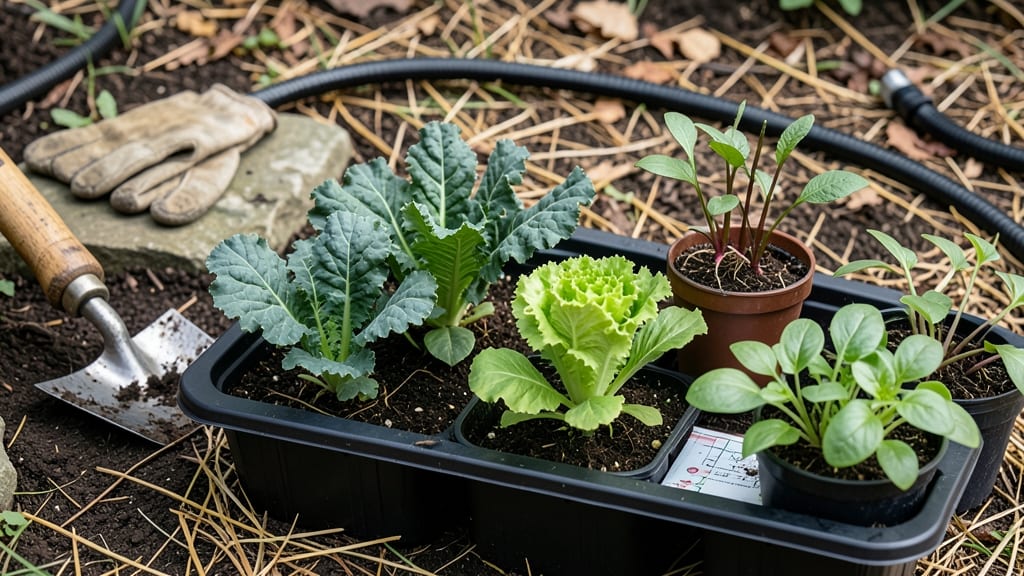
Planting a fall garden in Texas means timing your seeds and seedlings to beat the heat and avoid frost — and the right window depends on your microclimate.
Texas gardeners know timing is everything: plant too early, and your 🥬 fall garden vegetables face scorching heat; too late, and frost ruins your harvest. But with Texas' diverse zones, the "perfect" window varies by region and crop.
In North Texas (Zone 8a), you’ve got late August to mid-September to get cool-season crops in the ground before temperatures dip. Down in South Texas (Zone 10a), you can stretch planting into early October, thanks to milder winters.
Below, I break down the exact deadlines by zone, the best crops for each region, and how to adjust for heat waves or drought. You’ll leave here with a clear, zone-specific schedule that keeps your fall garden thriving until December.
Texas fall planting deadlines by microclimate Zone (North vs Central vs South)
Texas' fall planting season is a race against time—heat and frost are your biggest rivals. The state's three distinct microclimates—North, Central, and South—create wildly different deadlines for cool-season crops.
In North Texas, where first frost can arrive as early as December 1, you have just 6-8 weeks to establish plants before winter sets in. Meanwhile, South Texas gardeners enjoy a 2-3 week extension thanks to milder winters.
Understanding your USDA hardiness zone and last average frost date is critical. For example, Zone 7b in North Texas (like Dallas) has a first frost around December 1, while Zone 9a in South Texas (like Corpus Christi) rarely sees frost until January 15.
This means your broccoli or kale might get 60 days of growing time in the North versus 90 days in the South.
Here’s the golden rule: Plant cool-season crops 6-8 weeks before your first frost. This timing ensures they mature before winter chill sets in.
For spinach or lettuce, which bolt in heat, aim to sow seeds when soil temperatures drop below 85°F—typically by late August in North Texas and early September in South Texas.
Heat-loving crops like tomatoes or peppers can go in until mid-September in most zones, but they’ll need row covers or greenhouses to survive light frosts.
Comparison-Table for Texas Fall Planting Deadlines:
| Zone & Location | First Frost Date | Ideal Planting Window | Heat Tolerance Threshold | Best Cool-Season Crops |
|---|---|---|---|---|
| North Texas (Zone 7b-8a) | Dec 1 - Dec 15 | Late Aug - Early Oct | Soil <85°F | Broccoli, Kale, Spinach, Carrots |
| Central Texas (Zone 8a-8b) | Nov 15 - Dec 1 | Early Aug - Mid Oct | Soil <80°F | Lettuce, Radishes, Swiss Chard, Peas |
| South Texas (Zone 9a-10a) | Jan 15 - Feb 1 | Mid Aug - Late Oct | Soil <75°F | Collards, Mustard Greens, Turnips, Beets |
In North Texas, where summers linger into October, start with heat-tolerant varieties like 'Heat-Tolerant Romaine' lettuce or 'De Cicco' broccoli. These can handle 90°F soil temperatures briefly but thrive once temps drop.
For Central Texas, focus on quick-maturing crops like radishes (25 days) or bush beans (50 days) to beat the frost. South Texas gardeners can push the envelope with winter squash or cabbage, which tolerate light frosts and even brief freezes.
Pro tip: Use a soil thermometer to monitor temperatures. Cool-season crops like spinach and peas struggle when soil stays above 75°F. If your soil is still too hot by mid-August, opt for shade cloth or drip irrigation to cool roots.
Watering deeply in the morning also helps lower soil temps by 5-10°F over 24 hours.
Don’t overlook succession planting—this is your secret weapon for a continuous harvest. In North Texas, sow lettuce every 2 weeks from August 15 to September 15 to stretch your harvest until December.
In South Texas, you can even plant green onions as late as October 15 and harvest through January. Just remember: avoid planting after October 1 in North Texas unless you’re using row covers.
Watch for unpredictable heat waves—even in fall. A 95°F spike in October can send broccoli bolting overnight. If your seedlings look stressed, provide afternoon shade with floating row covers or lightweight shade cloth
Best fall vegetables for Texas gardens and their exact planting timelines
Texas' fall garden thrives on cool-season vegetables like kale, carrots, and radishes—but timing varies wildly by zone. In North Texas (Zone 8a), you’ve got just 6-8 weeks before frost hits, while South Texas (Zone 10a) can stretch planting until early October.
The key is matching each crop’s heat tolerance with your region’s last frost date.
Below, I’ve curated the top 5 fall vegetables for Texas gardens, their exact planting windows by zone, and how to stagger plantings for a continuous harvest until December. Pro tip: Use succession planting every 2-3 weeks to keep your kitchen stocked!
📅 Planting Deadlines by Zone: - North Texas (Zone 8a): Late August–mid-September - Central Texas (Zone 8b-9a): Early August–early October - South Texas (Zone 9b-10a): Mid-August–early October
For North Texas, prioritize fast-maturing crops like radishes and spinach—they’ll beat the frost. In South Texas, you can afford to plant broccoli and kale later, but watch for unexpected cold snaps after October 15. My secret? Use row covers to extend harvests by 2-3 weeks!
Pro move: Pair leafy greens (kale, spinach) with root crops (carrots, radishes) to maximize space. For example, sow radishes between kale rows—they’re ready in 30 days, while kale takes 60+ days. This interplanting trick keeps your garden productive until December.
Need a backup plan? If a heat wave hits in September, delay planting heat-sensitive crops (like spinach) until October and focus on bolting-resistant varieties (e.g., 'Winterbor' kale). Mulch with straw or leaves to keep soil cool and retain moisture.