
Plants
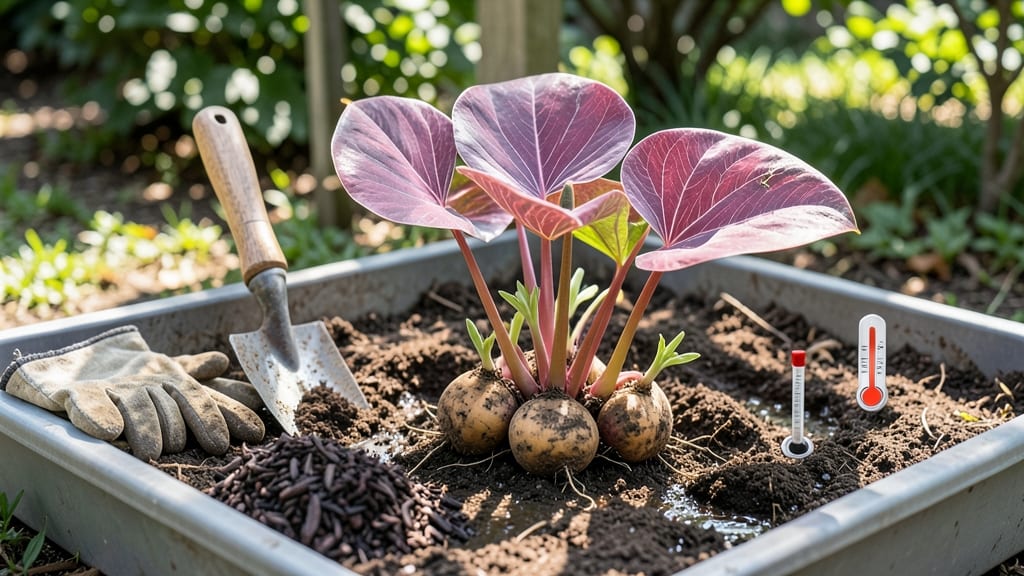
Planting caladium bulbs in North Texas after the last frost—typically in April or early May—sets the stage for stunning foliage all summer long.
North Texas gardeners love caladiums for their vibrant leaves, but timing is everything—get it wrong, and you risk wilted dreams instead of lush, colorful displays. The key is waiting until soil temperatures stay consistently above 60°F, which usually aligns with late April in most of the region.
Caladiums thrive in partial shade and well-draining soil, making them perfect for North Texas’ hot summers. Planting too early risks frost damage, while waiting too long can stunt growth before the heat sets in.
In this guide, I’ll walk you through the exact months to plant, soil prep tips, and how to keep your caladiums flourishing until fall—so you can enjoy their beauty without the guesswork.
Best months to plant caladium bulbs in North Texas climate zones
Caladiums thrive in North Texas' hot summers, but their planting timing is critical for vibrant foliage. Unlike frost-hardy plants, caladiums hate cold and need warm soil to sprout.
In USDA Zones 7b-8a, this means waiting until after the last frost date, typically mid-April. Planting too early risks frost damage or sluggish growth.
North Texas' soil temperature must reach at least 60°F (15°C) for caladium bulbs to sprout reliably. This usually happens by late April in most areas, but early May is the safest bet for consistent success.
The heat tolerance of caladiums makes them perfect for Texas summers, but they need that warm start.
Here’s a quick guide to planting windows based on North Texas’ microclimates. Whether you're in Dallas, Fort Worth, or Waco, these timelines ensure your caladiums get off to the right start.
| Planting Window | Soil Temp Threshold | Heat Risk | Best Varieties for North Texas |
|---|---|---|---|
| Late April - Early May | 60°F (15°C) | Low (ideal for growth) | 'White Queen', 'Candidum', 'Pink Beauty' |
| Early June (staggered) | 65°F (18°C) | Moderate (watch for wilting) | 'Florida Sweetheart', 'Miss Muffet', 'Black Star' |
| Avoid before March 15 | Below 55°F (13°C) | High (frost risk) | None (too early) |
If you plant in late April, your caladiums will establish roots before the peak summer heat arrives. This gives them time to adapt to North Texas’ intense sunlight and humidity.
For extended color, consider staggered planting—plant a few bulbs in early May and another batch in early June for a continuous display.
North Texas’ summer heat can be brutal, but caladiums actually love the warmth once established. The key is avoiding early-season stress. Planting too early (before April 15) risks frost damage or slow growth, while waiting until June might mean missing out on the full summer show.
For container gardening, you can plant caladiums 1-2 weeks earlier than in-ground, as containers warm up faster. Place pots in partial shade and use mulch to retain moisture. This is especially helpful in urban areas like Dallas, where heat islands can raise soil temperatures prematurely.
Watch for soil temperature cues—if your soil feels cool to the touch in the morning, wait another week. Use a soil thermometer for accuracy, especially in elevated or rocky areas that may stay colder longer.
In Zone 8a, you can push the envelope slightly, but late April remains the safest bet.
Once planted, mulch heavily (2-3 inches) to protect roots from temperature swings. Caladiums are tropical plants at heart, so they appreciate consistent warmth. In North Texas’ clay soil, amending with compost improves drainage and helps retain moisture during the hot, dry spells that often follow planting.
Pro tip: If you’re unsure about your last frost date, check local Cooperative Extension Service resources or use weather apps like Weather Underground. These tools provide hyperlocal data that’s more accurate than general USDA Zone guidelines.
For example, Dallas and Austin may have slightly different frost dates despite being in the same zone.
Remember, caladiums are not cold-hardy—they’ll die back with the first frost, which typically hits mid-November in North Texas. But with the right planting timing, you’ll enjoy their stunning foliage from late spring through fall. 🌿
How to prepare soil and extend caladium blooming season in hot Texas summers
North Texas summers bring intense heat and humidity that can stress caladium bulbs if not prepared properly. The key to vibrant foliage lies in soil preparation, consistent moisture, and strategic mulching.
With the right approach, your caladiums will thrive from May through October, providing continuous color in your garden.
Start by testing your soil pH—caladiums prefer slightly acidic to neutral soil (6.1-7.0). If your soil is too alkaline, amend it with compost or peat moss to improve drainage and nutrient retention. Well-draining soil is critical to prevent root rot, especially during North Texas’ frequent summer downpours.
To extend the blooming season, stagger your planting in two waves: the first batch in early April and the second in mid-May. This ensures fresh foliage appears just as older leaves begin to fade. Choose shade-tolerant varieties like 'White Queen' or 'Flamingo' for better heat resilience.
🌱 Pro Tip: Mulching for Heat Protection
Apply a 3-inch layer of mulch (straw or pine bark) around your caladiums to:
- ✅ Retain moisture in 100°F+ heat
- ✅ Regulate soil temperature
- ✅ Suppress weeds competing for nutrients
Watering is where most gardeners go wrong. Deep watering twice weekly (morning only) is essential—caladiums hate soggy roots but need consistent moisture. During heatwaves, increase to daily watering and watch for wilting leaves, which signal thirst. Drip irrigation works best to avoid fungal diseases from overhead watering.
Fertilize lightly with a balanced 10-10-10 formula every 6 weeks starting in May. Over-fertilizing leads to leggy growth, while proper feeding enhances those striking leaf patterns. Pair this with weekly liquid seaweed extract for heat stress resistance. By August, reduce feeding to let foliage harden for fall.
To prolong the season, cut back faded leaves in early October but leave the bulbs in the ground. The mulch layer will protect them through mild North Texas winters (Zone 8a).
Dig up and store bulbs only if temperatures dip below 20°F. With these techniques, your caladiums will reward you with year-round color planning!