
Plants
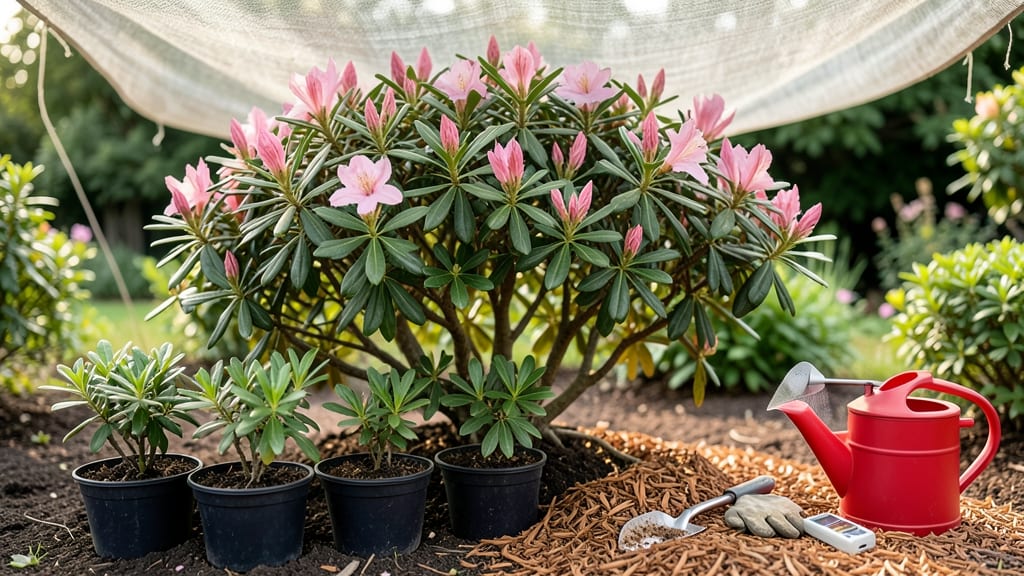
To plant azaleas in Zone 9, aim for late fall through early spring when temperatures stay mild and the risk of heat stress or frost is lowest.
Struggling to time your azalea planting in Zone 9? Plant too early, and the heat will stress young roots; too late, and winter frosts could threaten survival. The best window ensures vibrant blooms year after year.
Zone 9’s long growing season means you’ve got flexibility, but timing matters. Container-grown azaleas can handle a slightly later start than bare-root varieties, which need cooler soil to establish roots.
Below, I’ll break down the ideal months, how to adjust for microclimates, and the critical signs your planting window is off—so you avoid common mistakes and set your azaleas up for success.
Ideal planting months for azaleas in Zone 9: balancing heat and rainfall
Timing your azalea planting in Zone 9 is all about avoiding the extreme heat of summer and the occasional frost of winter. Unlike cooler climates, Zone 9's mild winters and hot summers create a narrow window for successful transplanting.
The key is planting when soil temperatures are cool but stable, typically between 60-70°F, while rainfall patterns support root establishment without waterlogging.
Container-grown azaleas offer more flexibility than bare-root varieties, but both require careful timing. Bare-root plants need moist soil to prevent root desiccation, while container-grown azaleas can handle slightly warmer conditions. The best approach? Focus on late fall to early spring when the risk of heat stress and drought is lowest.
🌸
| Planting Window | Soil Temp (°F) | Rainfall Needs | Best For | Avoid |
|---|---|---|---|---|
| Late November - Early January | 55-65°F | Moderate (1-2" weekly) | Bare-root azaleas | Frost risk (high desert areas) |
| February | 60-68°F | Low (supplement water) | Container-grown azaleas | Heat stress (late Feb) |
| March - Early April | 65-70°F | High (2-3" weekly) | All azalea types | Drought conditions |
For bare-root azaleas, the best window is November through January when soil stays cool and moisture levels are consistent. This gives roots 6-8 weeks to establish before summer heat arrives.
In Zone 9, even mild winter frosts can damage tender roots, so avoid planting if temperatures dip below 40°F for extended periods.
If you opt for container-grown azaleas, February to early April is ideal. These plants handle slightly warmer soil better, but monitor for heat stress signs like wilting or yellowing leaves. Container-grown azaleas also benefit from partial shade during their first summer to reduce transpiration.
One common mistake in Zone 9 is planting azaleas in late spring or summer. The intense sun and dry conditions create transplant shock, often killing young plants before they establish.
Even established azaleas struggle with leaf scorch during 100°F+ days, so avoid planting during these months unless you're prepared for extra shade and irrigation.
Rainfall patterns in Zone 9 vary dramatically—coastal areas get consistent moisture, while inland regions experience summer droughts. If planting in dry microclimates, schedule your transplanting for winter or early spring when natural rainfall is higher.
For inland gardeners, drip irrigation or mulching is essential to maintain soil moisture during the critical first year.
Pro tip: Test your soil pH before planting—azaleas thrive in acidic soil (pH 4.5-6.0). If your soil is alkaline, amend it with sulfur or peat moss at least 4-6 weeks before transplanting. This gives the soil time to adjust and prevents root burn from sudden acidity changes.
After planting, focus on root establishment rather than blooms. New azaleas need 1-2 years to recover from transplant shock before producing vibrant flowers. During this time, prioritize deep watering (1-2 gallons per shrub) and light fertilization with an acid-loving plant formula in late winter to encourage spring growth.
Remember, Zone 9's microclimates can vary dramatically—coastal areas stay milder, while inland valleys experience hotter, drier conditions. Adjust your planting timeline based on your specific location. For example, San Diego gardeners can plant slightly later than those in Phoenix, where summer heat arrives earlier.
With the right timing and care, your azaleas will thrive in Zone 9, rewarding you with seasonal blooms and lush foliage for years to come. 🌿
How to adjust planting timing for different azalea types in Zone 9
Not all azaleas thrive on the same schedule in Zone 9. Evergreen varieties like 'Formosa' and deciduous types like 'Southern Indica' have different needs based on their growth cycles. Understanding these differences helps you avoid stressing young plants with late-season heat or winter dormancy challenges.
Evergreen azaleas, which keep their leaves year-round, prefer cooler soil temperatures for root establishment. Deciduous azaleas, which drop leaves in winter, can handle slightly warmer conditions but still need protection from Zone 9's intense summer sun.
Microclimates also play a role—coastal areas stay milder longer, while inland zones may experience unexpected winter frosts.
Here’s how to adjust your planting timeline based on azalea type and local conditions:
For evergreen azaleas, aim to plant before the soil warms beyond 65°F in spring. Inland gardeners should prioritize November to January to avoid summer stress, while coastal gardeners can extend planting into March thanks to milder temperatures. Varieties like 'Formosa' thrive with this timing, producing lush foliage year-round.
Deciduous azaleas, such as 'Southern Indica', are more forgiving with their planting window but still benefit from cooler weather. Plant them in February or early March to align with their natural dormancy cycle.
Inland areas should avoid planting after March 15, as the heat can cause transplant shock. Coastal regions can push planting to April if rainfall is consistent.
If you’re planting container-grown azaleas, the timing is more flexible, but summer is still off-limits. These plants adapt better to transplanting year-round, but spring or fall remains ideal. Always remove the container and inspect roots before planting—root-bound azaleas struggle to establish in Zone 9's heat.
Mulch heavily after planting to retain moisture and protect roots from temperature fluctuations.
Pro tip: Monitor your local soil temperature using a soil thermometer. Aim for 50–65°F for evergreens and 55–70°F for deciduous types. This small step can mean the difference between a thriving azalea and one that struggles to bloom. 🌸