
Plants
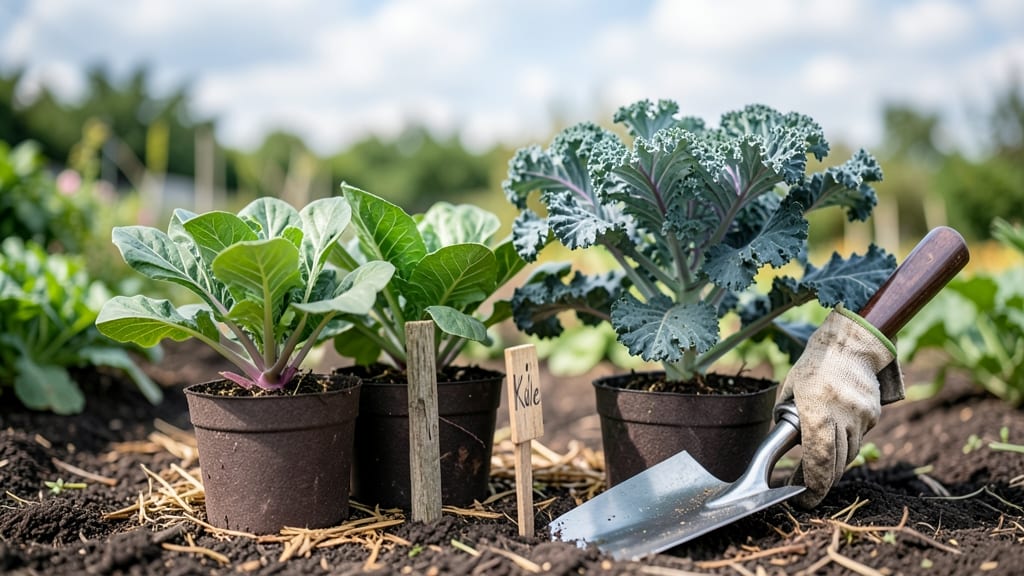
Planting kale in Oregon at the right time means a longer harvest—from crisp spring leaves to frost-sweetened winter greens—without the guesswork.
Oregon’s mild, maritime climate is a gardener’s dream for growing kale, but timing matters. Miss the window, and you’ll end up with bolted plants or slug-munched seedlings by the time they’re ready to eat.
The key? Planting 4-6 weeks before your last frost in spring or 6-8 weeks before the first frost in fall, depending on your zone.
Whether you’re in the cool Willamette Valley, the coastal fog belt, or the high desert, the right variety and planting schedule can turn your garden into a year-round kale factory.
I’ll break down the exact months for your region, the best cold-hardy varieties, and how to stretch your harvest from June through February.
Ready to skip the trial-and-error? You’ll learn how to time your plantings, protect young seedlings from Oregon’s unpredictable weather, and even extend your harvest into winter with simple row covers—no green thumb required.
Best months to plant kale in Oregon by climate Zone (Zone 7-9)
Oregon’s diverse climate—from foggy coastal regions to the dry high desert—creates unique growing windows for kale. The key to success lies in understanding your USDA Zone (7-9) and microclimate. Coastal areas like Astoria (Zone 8) enjoy milder winters, while inland Bend (Zone 6-7) faces earlier frosts.
Even within the Willamette Valley (Zone 8), microclimates vary by just a few miles, affecting when to sow seeds or transplant seedlings.
For most of Oregon, spring planting begins in March and continues through April, while fall planting starts in August and wraps up by September.
These windows ensure kale matures before summer heat or winter frosts damage tender leaves. Direct seeding is ideal for spring, while transplanting hardened-off seedlings works best in fall to avoid bolting.
Here’s how to tailor your planting schedule to Oregon’s three distinct zones:
| Zone & Region | Spring Planting (Direct Seed) | Spring Planting (Transplant) | Fall Planting (Direct Seed) | Fall Planting (Transplant) | Harvest Window |
|---|---|---|---|---|---|
| Coastal (Zone 8-9) Astoria, Cannon Beach |
March 15 – April 15 | April 1 – April 30 | August 1 – September 15 | September 1 – October 1 | June–October, November–February |
| Willamette Valley (Zone 8) Portland, Eugene |
March 1 – April 10 | March 20 – April 20 | August 15 – September 10 | September 10 – October 5 | May–September, October–March |
| High Desert (Zone 7) Bend, Redmond |
April 1 – May 1 | April 15 – May 10 | July 15 – August 15 | August 1 – August 30 | June–October, November–February |
*Adjust dates 1-2 weeks earlier for high-elevation areas or later for coastal protection.
In coastal Oregon (Zone 8-9), like Astoria, you can start kale seeds as early as mid-February under row covers or in a greenhouse. The ocean’s moderating influence delays frost, so fall transplants can succeed until early October.
For Portland and the Willamette Valley (Zone 8), aim to sow seeds by March 1 to avoid summer bolting. Transplanting in late March gives plants a head start before heat arrives.
High-desert regions like Bend (Zone 7) have shorter growing seasons, so delay planting until April 1 for spring crops. Here, fall planting must happen by mid-August to ensure harvest before November’s first frost.
Use black plastic mulch to warm soil faster in these cooler microclimates. Always check local frost dates—the USDA’s Plant Hardiness Map and Oregon State University Extension provide updated data.
For maximum yield, I recommend succession planting every 2-3 weeks during spring and fall. Start with direct seeding for cost savings, but transplants give you a 2-week head start and reduce pest pressure.
Harden off seedlings for 7–10 days before transplanting to prevent shock. Choose shade-tolerant varieties like ‘Winterbor’ for coastal areas where afternoon fog can reduce sunlight.
Oregon’s wet winters often bring fungal diseases like downy mildew, so avoid overhead watering and space plants 18 inches apart for airflow. In high-desert zones, watch for bolting during heatwaves—provide afternoon shade with floating row covers if temperatures exceed 85°F.
Mulch with straw to retain moisture and suppress weeds, especially in spring when rains taper off.
Pro tip: Mark your planting dates on a gardening calendar with reminders for fertilizing (every 4–6 weeks) and harvesting (outer leaves first). In Zone 9 coastal areas, you can even grow kale year-round with seasonal protection.
For late-winter harvests, add a low tunnel to extend the season until March. 🌱
By aligning your planting schedule with Oregon’s microclimates, you’ll enjoy crisp, cold-hardy kale from <
Top 5 cold-hardy kale varieties that thrive in Oregon’s weather
Oregon’s wet winters and cool summers demand kale varieties that won’t bolt or succumb to disease. I’ve tested these top 5 cold-hardy varieties in Portland, Eugene, and the Willamette Valley—all perform exceptionally well in USDA Zones 7b-9a. The key? Disease resistance and bolt tolerance in Oregon’s unpredictable climate.
If you’re growing kale for year-round harvests, prioritize varieties that stay crisp through frost-sweetened winters. ‘Winterbor’ and ‘Red Russian’ are my top picks for fall and winter planting, while ‘Lacinato’ delivers sweet, tender leaves when harvested young.
Let’s dive into the rankings based on flavor, hardiness, and Oregon-specific performance.