
Plants
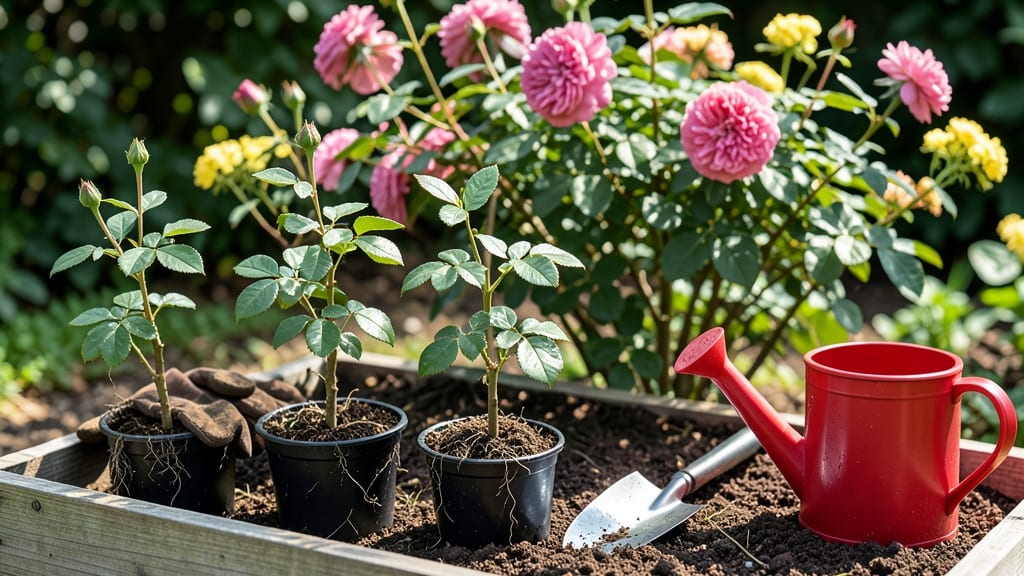
Planting rose bushes in Texas at the right time means the difference between lush blooms and struggling plants that never take root.
Texas gardeners know timing is everything—plant roses too early, and frost will kill them; too late, and they’ll struggle to establish roots before summer’s brutal heat. But mastering the perfect planting window can mean the difference between thriving bushes and wasted effort.
For USDA zones 8a-10b, the ideal windows are late fall (October–November) or early spring (February–March), when cooler temps and consistent moisture give roots a fighting chance. Container-grown roses offer more flexibility, but even they need the right conditions to thrive.
Below, I break down the exact months for your zone, how to prep soil for Texas heat, and the 3-step checklist that keeps your roses blooming year after year.
Best months to plant roses in Texas by hardiness Zone
Texas gardeners know timing is everything—plant roses too early, and frost will kill them; too late, and they’ll struggle to establish roots before summer’s brutal heat. But mastering the perfect planting window can mean the difference between thriving bushes and wasted effort.
The best time to plant roses in Texas depends on your USDA hardiness zone, with early fall and late winter offering the safest windows for root establishment.
For most of Texas (Zones 7-10), October through November is ideal for planting bare-root roses. This gives roots time to establish before winter dormancy, while avoiding the extreme summer heat.
In Zone 10, where frost is rare, you can even plant container-grown roses year-round, but late winter (February-March) still offers the best balance of mild temperatures and moisture.
Here’s how Texas’ hardiness zones break down for optimal rose planting:
| Zone | Best Planting Window | Key Considerations | Avoid Planting |
|---|---|---|---|
| 7a-7b (North Texas) | October 15–November 15 | Frost risk after December 1; mulch heavily | April–September (extreme heat) |
| 8a-8b (Central Texas) | October 1–November 30 | Light frosts possible; use cold-hardy varieties | May–August (100°F+ temps) |
| 9a-9b (East/Central Texas) | September 15–November 15 or February 1–March 15 | Container roses can plant year-round; watch for humidity | June–July (peak heat) |
| 10a-10b (South Texas) | Year-round (best: October–March) | No frost risk; prioritize shade in summer | None (but avoid transplant shock in summer) |
In Zone 7, where late frosts are common, early October planting gives roots a head start before winter. For Zones 8-9, you have flexibility to plant in late winter (February-March) if you missed fall, but avoid planting after April 15—summer’s heat will stress young roots.
In Zone 10, where frost is rare, you can plant anytime, but container-grown roses thrive best in fall or spring to avoid transplant shock during summer’s peak heat.
Adjust your planting timeline based on microclimates. For example, Hill Country areas in Zone 8a may experience frosts as late as March 15, while Houston (Zone 9a) can safely plant until April 1.
Always check your local first and last frost dates—the Texas A&M AgriLife Extension provides zone-specific data.
For bare-root roses, soak roots for 4-6 hours before planting to reduce transplant shock. In Zone 10, where soil stays warm year-round, plant container-grown roses in morning or evening to prevent heat stress. Always amend soil with compost and use mulch to retain moisture—critical in Texas’ dry climate.
Pro tip: If you plant in late winter (February-March), choose disease-resistant varieties like Knock Out® roses or Dr. Huey, which handle Texas’ humidity better. For fall planting, opt for cold-hardy types such as Belinda’s Dream or The Fairy to survive winter dormancy.
Never plant roses during peak summer months (June-August)—the heat will scorch roots and stunt growth. If you must plant in summer, use shade cloth and water deeply twice daily until established. For container roses, move pots to a shaded area during the hottest part of the day.
Remember: Root establishment is key. Roses planted in fall develop strong roots before winter, while those planted in late winter benefit from spring’s moisture. With the right timing, your Texas roses will reward you with vibrant blooms and low-maintenance growth—no matter your zone! 🌹
How Texas heat and humidity affect rose planting success
Texas summers bring 100°F+ temperatures and 90% humidity, creating a double threat for rose bushes. Without adjustments, your plants will wilt, develop root rot, or struggle to bloom. The key is mimicking their natural Mediterranean climate—cool roots and warm tops.
In Zone 8a-9a, afternoon shade becomes critical after May. In Zone 10a-10b, even morning sun can scorch leaves if soil moisture drops below 30% retention. I’ve learned the hard way that mulching isn’t optional—it’s survival.
⚠️ WARNING: Common Mistakes That Kill Texas Roses ⚠️
⚠️ Planting in full afternoon sun without shade cloth (Zone 8a+)
Roses need morning sun but afternoon shade in Texas. Direct sun from 12 PM–4 PM causes leaf scorch, even with regular watering.
⚠️ Using sandy soil without organic amendments
Native Texas soil drains too fast. Without compost or peat moss, roots dry out in 24 hours during heatwaves.
⚠️ Skipping mulch depth (less than 3 inches)
Mulch must be 3–4 inches deep to insulate roots. Shallow mulch lets heat penetrate, stressing plants.
For Zone 8a-9a, I recommend 30% shade cloth during peak summer (June–August). In Zone 10a-10b, drip irrigation with emergent valves prevents water waste while keeping roots moist. Test soil moisture with your finger—if the top 2 inches are dry, water immediately.
Texas humidity also encourages black spot fungus. Space roses 3–4 feet apart for airflow and spray with neem oil every 2 weeks during rainy seasons (April–May, September–October). I’ve seen roses in Houston thrive with this routine.
Adjust watering based on heat index, not calendar months. When temps hit 95°F+, water every 2–3 days in the early morning. Use drip irrigation to avoid wetting leaves, which spreads disease. For container roses, check soil moisture daily—they dry out 3x faster than in-ground plants.
Finally, choose heat-tolerant varieties like 'Knock Out' roses or 'Earth Kind' series. These handle Texas conditions better than traditional hybrids. Pair them with deep mulching and afternoon shade, and you’ll have roses blooming through November—even in 100°F heat. 🌹