
Plants
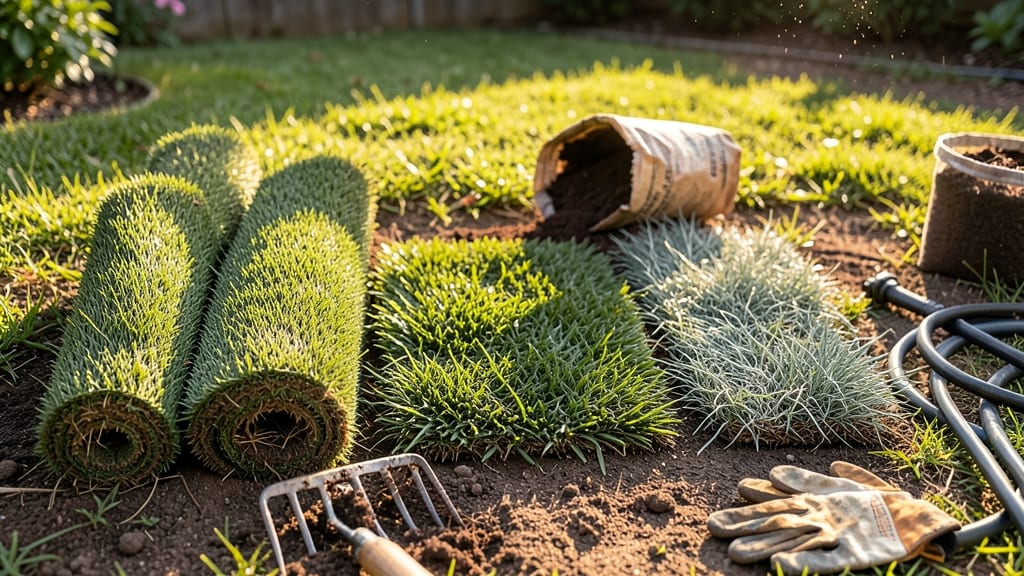
Planting sod in North Texas at the right time means the difference between lush, deep roots and a lawn that struggles to take hold.
Struggling to time your sod installation perfectly? Planting too early or late can mean wasted money and weak grass roots—here’s the science-backed window for success.
With North Texas’ hot summers and unpredictable rains, the key is cooler soil temperatures and steady moisture. Fall is your best bet, but spring has its tricks too.
Below, I break down the ideal months for sod in Zone 8a, how to prep your soil, and what to watch for after the rolls go down.
Best months to plant sod in North Texas for strong root growth
If you're planning to install sod in North Texas, timing is everything. Planting at the wrong time can lead to weak root growth, increased water waste, and even failed lawns. The perfect window for sod installation here is late summer through early fall, specifically September and October.
This timing aligns with soil temperatures between 60–75°F, which is ideal for root establishment without the stress of extreme heat or cold.
North Texas' USDA Zone 8a climate creates unique challenges. Unlike cooler regions, our summers are brutal, and winters can bring unexpected freezes.
Choosing the right time ensures your sod has enough time to root before winter dormancy sets in. Bermuda and Zoysia grasses, the most common sod types here, thrive when planted during this window, giving them a strong foundation before the first frost.
Here’s why September and October are the gold standard for sod planting in North Texas:
| Month | Soil Temp (°F) | Rainfall (in) | Root Growth Potential | Best For |
|---|---|---|---|---|
| July | 85–95°F | 1.5–3.0 | Moderate (heat stress risk) | Emergency planting only |
| August | 80–90°F | 1.0–2.5 | Good (early fall prep) | Early sod establishment |
| September | 70–80°F | 2.0–4.0 | Excellent (optimal window) | Primary planting month |
| October | 60–70°F | 2.5–4.5 | Very Good (late season) | Last chance before frost |
| November | 50–60°F | 1.5–3.0 | Poor (frost risk) | Avoid planting |
North Texas isn’t one-size-fits-all when it comes to sod planting. Urban areas like Dallas and Fort Worth have slightly different microclimates than rural regions.
For example, Dallas' urban heat island effect can make late September slightly warmer than surrounding areas, while rural zones may experience cooler nights earlier in the season. Always check your local soil temperature before planting—aim for 60–75°F at a 4-inch depth.
One common mistake is assuming spring planting works just as well. While spring sod can succeed, the drought stress and weed competition in North Texas make it riskier.
Sod planted in spring often struggles to outcompete existing weeds or establish deep roots before summer heat sets in. Fall planting, on the other hand, gives your lawn a 6–8 week head start on root growth before winter slows things down.
If you’re in the Panhandle region, your window might shift slightly earlier due to cooler nights. Conversely, East Texas areas near Longview or Tyler can stay warmer longer, extending your ideal window into early November.
Always monitor weekly rainfall patterns—consistent moisture is critical for the first 2–3 weeks after installation to prevent sod from drying out or developing shallow roots.
For Bermuda grass sod, which is heat-tolerant but drought-sensitive, September is ideal because it balances moderate temperatures with increasing rainfall. Zoysia grass, another popular choice, benefits from the cooler fall air, which reduces stress on the newly installed sod.
Both grasses will establish faster and stronger roots when planted in this window, setting your lawn up for success in the following year.
Pro tip: If you’re planting in late October, choose a warmer microclimate within your yard—like a south-facing slope—to give your sod a slight temperature advantage. Avoid planting near tree roots or shaded areas, as these can slow down root growth and lead to uneven establishment.
Remember, the goal is to give your sod the best possible
How to prepare your soil and lawn for sod planting in Texas heat
North Texas summers can be brutal on new sod, but with the right prep, you can set your lawn up for success. The key lies in soil preparation, weed control, and proper irrigation before installation.
Skipping these steps often leads to poor root establishment and patchy growth—especially in Zone 8a where heat and drought stress are constant threats.
Start by testing your soil's pH level (aim for 6.0–7.0), as sod thrives in neutral to slightly acidic conditions. If your soil is compacted or clay-heavy, consider amending with compost or sand to improve drainage.
This step alone can mean the difference between a lush lawn and one that struggles to take hold during Texas' 100°F+ temperatures.
⚠️ WARNING: Don't Plant Sod in Extreme Heat! ⚠️
- Soil temps exceed 85°F (roots struggle to establish)
- Forecasted heatwaves (dries out sod too quickly)
- Before late August/early September (peak summer stress)
Before laying sod, clear the area of existing weeds and debris using a non-selective herbicide like glyphosate (follow label instructions). Let the area rest for 5–7 days before planting to avoid chemical residue harming new grass. For stubborn weeds like nutsedge, consider a pre-emergent herbicide applied 2 weeks before sod installation.
Set up a drip irrigation system or soaker hoses before planting—this ensures even moisture distribution without the runoff common with sprinklers. Water deeply 1–2 days before installation to hydrate the soil, then immediately after laying sod.
The first 2 weeks are critical: keep the sod moist (about 1 inch of water weekly) to encourage root growth.
After installation, avoid heavy foot traffic for 2–3 weeks to prevent smothering new roots. Apply a starter fertilizer with 10-10-10 NPK at half-strength to give sod a nutrient boost without burning tender roots. In September, follow up with a fall fertilizer to strengthen roots before winter dormancy.
Common mistakes to avoid include overwatering (leads to fungal diseases) or planting during drought conditions (sod dries out and dies). Monitor your lawn closely—adjust watering based on rainfall and heat.
With proper prep, your sod will establish a deep root system by winter, giving you a resilient lawn ready for Texas' next growing season. 🌱