
Companion Plants
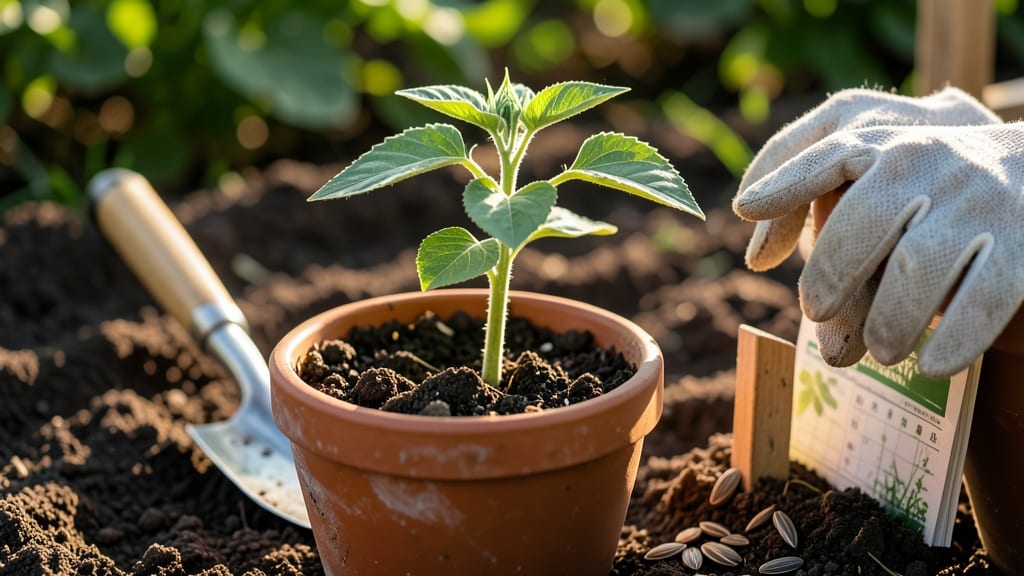
Planting sunflower seeds in Southern California requires timing that matches your microclimate—whether you’re in coastal chill or inland heat—because the wrong schedule can turn towering blooms into wilted dreams.
Sunflowers 🌻 don’t just add stunning golden blooms to your garden; they thrive when planted at the perfect time, turning your yard into a pollinator magnet. But with frost-free zones and extreme heat, timing matters more than you think.
Coastal areas can plant year-round, while inland valleys should avoid summer heat. The key is soil warmth—wait until it hits 55°F or higher—and knowing whether your sunflowers will face coastal breezes or desert sun.
Below, I break down the best months for each microclimate, how to adjust for local weather, and the 3-step method to extend your growing season in cooler spots.
Southern California sunflower planting zones: coastal vs. inland vs. desert timelines
Southern California’s diverse climate means your sunflower planting strategy should match your microclimate. Coastal areas like San Diego and Santa Barbara enjoy mild winters and cool summers, while inland valleys (e.g., Los Angeles Basin) experience hotter days and cooler nights.
Desert regions like Palm Springs and Joshua Tree face extreme heat and low humidity—all of which dramatically impact when to plant sunflower seeds for optimal growth.
For sunflowers to thrive, soil temperatures should reach 55°F+ for germination, and air temperatures shouldn’t exceed 90°F during flowering. Coastal zones can plant nearly year-round, while inland and desert areas must avoid summer heatwaves that stress young seedlings.
Let’s break down the ideal planting windows for each zone to ensure your sunflowers reach their full 10-foot+ potential.
| Zone | Best Planting Window | Soil Temp for Germination | Frost Risk | Bloom Time | Heat Tolerance Threshold |
|---|---|---|---|---|---|
| Coastal (e.g., San Diego, Santa Barbara) | Year-round (best: Feb–April or Sept–Oct) | 55°F+ (achieved by Jan–Feb) | None (frost-free) | 60–90 days after planting (spring) or 70–100 days (fall) | Up to 85°F (cooler nights help) |
| Inland Valleys (e.g., LA Basin, Riverside) | Feb–March or Sept–early Oct (avoid May–Aug) | 55°F+ (achieved by Feb) | Rare (Dec in high elevations) | 55–80 days (spring) or 65–90 days (fall) | Up to 95°F (with shade cloth if needed) |
| Desert (e.g., Palm Springs, Joshua Tree) | Sept–Oct (avoid June–Aug) | 60°F+ (achieved by Sept) | Possible Dec–Jan (high elevations) | 70–100 days (fall-winter blooms) | Up to 105°F (dwarf varieties best) |
Coastal gardeners enjoy the most flexibility, thanks to mild winters and low humidity. Planting in February–April ensures blooms by summer, while a September–October planting extends your sunflower season into winter. The cooler coastal fog helps prevent heat stress, allowing taller varieties like ‘Russian Giant’ to thrive.
Inland valleys must time plantings carefully to avoid summer heatwaves. While February–March plantings yield summer blooms, a September start produces vibrant fall flowers before winter chills arrive. Use shade cloth if planting in late spring to protect seedlings from 100°F+ temperatures, which can stunt growth or cause bolting.
Desert regions face the harshest conditions, making fall planting the only viable option. September–October sowings take advantage of cooler nights and shorter days, allowing sunflowers to establish roots before winter. Choose drought-tolerant varieties like ‘Teddy Bear’ or ‘Moulin Rouge’, which handle 110°F+ heat better than standard types.
Soil temperature is critical for germination—coastal areas hit 55°F by January, while inland and desert zones may need to wait until February–March. Use a soil thermometer to confirm readiness; cold soil delays sprouting and invites rot or fungal diseases.
Amend sandy desert soils with compost to retain moisture, while coastal gardens benefit from well-draining mixes to prevent waterlogging.
Sunflowers in coastal zones typically bloom 60–90 days after planting, while inland varieties mature slightly faster (55–80 days) due to longer daylight hours. Desert plantings take the longest (70–100 days) because cooler nights slow growth.
Plan ahead: if you want summer blooms, coastal gardeners should start in February, while desert dwellers must plant by September for winter flowers.
Pro tip: Succession planting works beautifully in Southern California. Sow a new batch every 2–3 weeks from February–October (coastal) or September–November (desert) to enjoy continuous blooms. This strategy also extends your harvest window for sunflower seeds, which are ready when the back of the head turns brown.
Remember, watering matters most during germination. Keep soil cons
How to adjust sunflower planting dates for your specific microclimate
Southern California’s diverse landscapes—from foggy coastal gardens to scorching inland valleys—create unique microclimates that demand flexible planting strategies. While most gardeners default to spring planting, your exact location could mean the difference between vibrant summer blooms or stunted growth.
Let’s break down how to customize your sunflower schedule based on three key factors: elevation, urban heat islands, and local weather patterns.
Start by observing your garden’s microclimate signature. Coastal areas like San Diego or Santa Barbara enjoy year-round growing potential, while inland zones (e.g., Palm Springs or Riverside) face intense summer heat that can stress young seedlings.
Even within cities, concrete jungles trap heat, creating earlier planting windows than rural areas just miles away. By fine-tuning your schedule, you’ll maximize bloom time and minimize stress on your sunflowers.
Coastal areas: Plant anytime (no frost). Inland valleys: Avoid planting after August to prevent heat stress before first potential frost in December.
City gardens can be 5–10°F warmer than rural areas. Plant 2–3 weeks earlier in urban zones to align with rural spring planting windows.
Use row covers or shade cloth to protect seedlings in coastal fog belts. This lets you plant as late as May for fall blooms.
Sunflower seeds need 55°F+ soil to germinate. Use a soil thermometer—coastal areas hit this in February, while deserts wait until March/April.
For coastal gardeners, focus on early spring (February–March) or late summer (August–September) plantings. The mild winters and cool summers create ideal conditions for continuous blooms. In contrast, inland valleys should prioritize spring (March–April) to avoid 100°F+ summer heat, which can cause bolting or flower drop.
If you’re in a high-elevation desert microclimate (e.g., Joshua Tree area), plant only in early spring (February–March) or late fall (October–November). These zones experience extreme diurnal temperature swings, making summer planting risky.
Use mulch to retain moisture and shade cloth to protect seedlings from intense afternoon sun.
To extend your sunflower season in cooler microclimates, try these three proven strategies: 1. Start seeds indoors 4–6 weeks before your last frost date (even if rare).
2. Use black plastic mulch to warm soil faster in spring. 3. Choose early-maturing varieties like ‘Teddy Bear’ (50–60 days to bloom) for fall plantings.
Remember, sunflowers are forgiving—even a 2-week miscalculation won’t ruin your garden. But with these microclimate tweaks, you’ll guarantee towering stems and abundant blooms all season long. Happy planting! 🌻