
Lawn
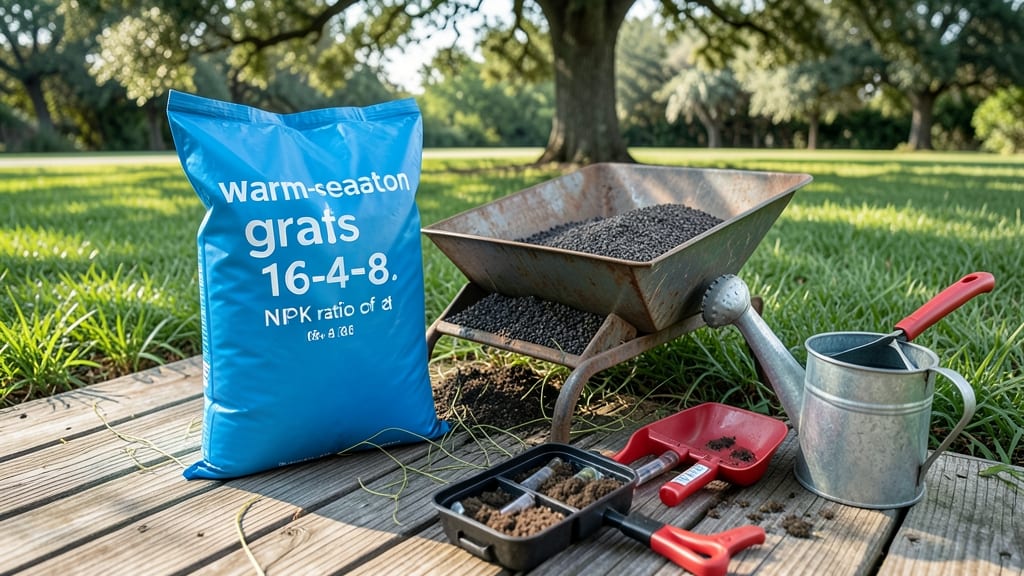
Fertilizing your Bermuda lawn in Texas at the right time means the difference between a heat-resistant green carpet and a struggling patchwork of brown.
Texas summers are brutal on lawns—but timing your fertilization just right can mean the difference between a patchy, struggling yard and a lush, heat-resistant carpet that outlasts the hottest months.
Most Texas gardeners focus on spring and fall, but the exact timing depends on your region—North Texas needs a slightly earlier start than South Texas, and drought conditions can shift the schedule.
Here’s the exact fertilization calendar for your Bermuda grass, including when to feed, how much to use, and what to watch for after application.
Optimal fertilization schedule for Texas Bermuda grass: spring vs. fall timing explained
Timing your Bermuda grass fertilization in Texas isn't just about throwing down fertilizer—it's about working with the climate's rhythm. The Lone Star State's extreme heat and humidity shifts demand precision.
Fertilizing at the wrong time can burn roots or waste nutrients, while perfect timing builds a heat-resistant lawn that thrives through summer. Let's break down the science behind spring vs. fall feeding and how to adapt for North vs. South Texas.
Bermuda grass is a warm-season powerhouse that dormantizes in winter but explodes in growth when temperatures rise. The key is feeding it when it's actively growing—not when it's stressed by heat or recovering from dormancy.
Early spring and late fall are your golden windows, but the exact timing varies by region and microclimate. For example, South Texas's longer growing season shifts schedules by 4-6 weeks compared to North Texas.
Here's the critical rule: Never fertilize when Bermuda grass is heat-stressed (above 90°F consistently) or dormant (below 60°F). The root system needs energy to process nutrients, and overheating roots leads to brown patches or fungal outbreaks.
Instead, focus on root development phases—spring for early-season strength and fall for winter hardiness.
🌱 Comparison Table: Spring vs. Fall Fertilization for Texas Bermuda Grass
| Fertilization Window | North Texas (Dallas/Fort Worth) | South Texas (San Antonio/Corpus Christi) | Key Goal | Avoid |
|---|---|---|---|---|
| Early Spring | Mid-March to early April | Late February to March | Spring green-up | Fertilizing after April 15 (heat stress risk) |
| Late Summer | Early September | Mid-August to early September | Fall recovery | Fertilizing after October 1 (dormancy begins) |
| Fertilizer Type | High-nitrogen (30-0-4) or slow-release (16-4-8) | Same as North Texas | Root strength | Quick-release in summer (burn risk) |
| Watering After | Deep watering within 24 hours | Same as North Texas | Nutrient absorption | Overwatering (root rot risk) |
The early spring feed (March-April) is all about jumpstarting growth after winter dormancy. In North Texas, aim for mid-March when soil temps hit 65°F. In South Texas, shift to late February—the longer growing season means Bermuda wakes up earlier.
Use a high-nitrogen fertilizer (like 30-0-4) to boost green-up, but lighten up by April 15 to avoid heat stress.
Fall fertilization (early September) is your secret weapon for winter resilience. Bermuda grass stores nutrients in its roots during fall to fuel spring regrowth. In North Texas, early September is ideal—before temperatures drop below 70°F. In South Texas, extend to mid-Aug
Signs your Bermuda lawn needs fertilizer (and when to skip it)
Your Bermuda grass might be screaming for nutrients if you notice yellowing patches that don't green up after mowing. This chlorosis (yellowing) often signals nitrogen deficiency, especially in Texas heat where grass burns out faster.
Another red flag? Slow growth despite regular watering—healthy Bermuda should recover quickly after mowing with sharp blades.
Thin spots where soil is visible between blades are another clear sign your lawn needs feeding. These bare patches often mean root systems are struggling due to poor soil health or compaction.
Even if your grass looks green, pale blades (especially in spring) indicate it's not getting enough nutrients to thrive in high-temperature stress.
But here's the catch: Over-fertilizing can be just as damaging. Brown, crispy leaf tips or a burned appearance after fertilization means you've overdone nitrogen. In drought conditions, excess fertilizer can stress roots further, making your lawn more vulnerable to heat shock.
When to Fertilize Bermuda in Texas
✅ DO Fertilize When...
- Spring green-up (March-April) for root growth
- Post-overseeding (late summer) for new grass
- Thin patches appear after winter dormancy
- Soil test shows low nitrogen (<1% organic matter)
❌ SKIP Fertilizing When...
- Drought conditions (soil moisture <1 inch)
- Active heatwave (>100°F for 3+ days)
- Winter dormancy (November-February)
- Brown patches from disease (not nutrient deficiency)
Pro Tip: Test soil pH first—Bermuda thrives at 6.0-7.0. Adjust lime or sulfur before fertilizing.
After overseeding in late summer, wait 4-6 weeks before fertilizing—new grass needs time to establish roots. In drought-prone areas like West Texas, skip fertilization entirely until rainfall returns, as excess nutrients can burn tender roots during dry spells.
For established lawns, a light feed in September helps Bermuda recover from summer stress and store energy for winter. Look for darker green blades and faster regrowth after mowing as signs it's working.
If you see white fungal growth or mushrooms, though, stop fertilizing—your lawn is stressed from moisture issues, not nutrients.
Remember: Texas Bermuda is resilient, but it won't tolerate neglect. The key is timing—feed when it's actively growing (spring/fall) and rest when dormant. Overdo it, and you'll burn out your lawn before summer even hits. 🌱