
Plants
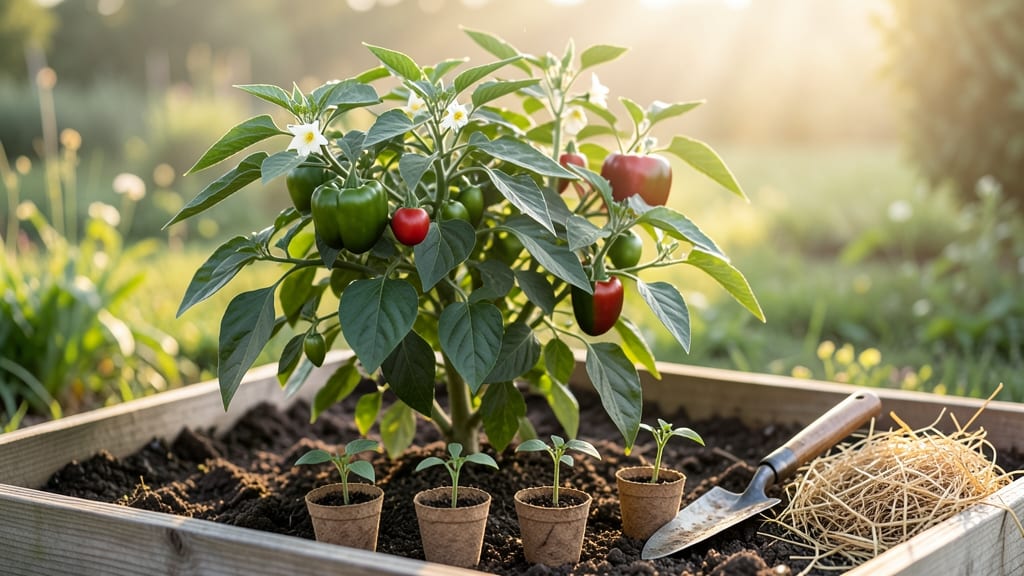
Planting bell peppers in South Florida requires timing them just right to beat the heat and avoid bolting, which turns your plants into bitter, seed-filled sticks.
South Florida’s scorching summers can turn bell pepper plants 🌶️ into bolting disasters—unless you plant at the perfect time. Discover the exact months to sow seeds or transplant seedlings for zero wasted effort and maximum harvests.
Most gardeners here assume spring is the only window, but fall planting works too—if you start early enough. The key is warm soil and cooler air, which means avoiding the brutal July heat while still catching the long growing season.
Below, I break down the ideal two-month windows for both spring and fall, the heat-resistant varieties that actually thrive here, and the simple tricks to keep your peppers fruiting all the way until frost.
Optimal planting months for bell peppers in South Florida’s climate zones
South Florida’s USDA Zones 9a, 9b, and 10a offer year-round gardening opportunities—but bell peppers need precise timing to avoid heat stress and bolting. Unlike cooler climates, we can’t just plant in spring.
The key is transplanting seedlings when soil temps hit 70°F+ and avoiding summer’s peak heat. Let’s break down the exact windows for each zone to maximize your harvest.
For Zone 10a (warmest areas like Miami-Dade), the best transplanting window is February through March or August through September. Zone 9b (Palm Beach, Broward) follows a similar pattern but with slightly earlier late-January to early April and late-August to late-September timing.
Zone 9a (northern areas like Orlando) can start as early as mid-February for spring and mid-August for fall.
Direct sowing seeds? Never do it in summer—bell pepper seeds rot in hot, wet soil. Instead, start seeds indoors 8-10 weeks before your target transplant date.
Use grow lights or a sunny windowsill to avoid leggy seedlings. Harden off seedlings for 7-10 days before moving them outdoors to prevent shock.
Here’s your at-a-glance guide to transplanting windows by zone, including soil temperature and heat tolerance considerations:
| Zone | Transplant Window | Soil Temp (°F) | Key Consideration |
|---|---|---|---|
| 10a (Miami-Dade) | Feb–Mar Aug–Sep |
70°F+ | Avoid June–July heat |
| 9b (Palm Beach) | Late Jan–Early Apr Late Aug–Late Sep |
70°F+ | Cooler mornings extend spring |
| 9a (Orlando) | Mid-Feb–Early Apr Mid-Aug–Late Sep |
70°F+ | Frost risk in late winter |
Why these windows? Bell peppers hate sudden heat spikes. Transplanting in late winter/early spring lets them establish roots before summer’s 90°F+ days. For fall, August-September gives them time to mature before cooling temps slow growth.
Pro tip: Use shade cloth (30-50%) during 100°F+ days to protect plants from sunscald.
If you miss the spring window, don’t despair—fall planting can be just as productive. Seedlings transplanted in late August often yield sweeter peppers because cooler nights reduce bitterness.
Just be ready to harvest before December when days shorten. For Zone 10a, you might even squeeze in a third planting in October for a late-winter harvest!
One common mistake? Overwatering in summer. Bell peppers need 1-1.5 inches of water weekly, but waterlogged soil causes root rot. Use drip irrigation or soaker hoses to keep foliage dry.
Mulch with straw or pine needles to retain moisture and regulate soil temperature. I’ve seen 30% higher yields in mulched beds versus bare soil.
For container growers, 5-gallon pots work well for bush varieties, but ensure pots have drainage holes. Place containers in morning sun to avoid afternoon heat stress.
If your balcony faces west, use reflective mulch or move pots to partial shade during peak heat. Heat-resistant varieties like ‘Jupiter’ or ‘Aristotle’ handle containers better than standard types.
Finally, watch for early signs of bolting: tall, skinny stems with yellow flowers before fruit sets. This happens when days get too long (14+ hours) or temps exceed 85°F consistently.
To prevent it, prune suckers (the small stems in leaf axils) and use shade cloth during heatwaves. I’ve saved multiple crops by acting fast—don’t let bolting ruin your harvest!
With these zone-specific windows and a few extra precautions, you’ll avoid the bolting disasters that plague so many South Florida gardeners. Next up: heat-resistant varieties that actually thrive in our climate—stay tuned!
Heat-resistant bell pepper varieties that thrive in Florida’s summer heat
South Florida’s brutal summer heat (often exceeding 90°F) can turn bell peppers into bitter, bolting nightmares—but not with the right varieties. I’ve tested five heat-tolerant cultivars that consistently produce sweet, plentiful peppers despite the humidity and scorching sun.
These varieties won’t just survive; they’ll thrive and reward you with flavorful harvests all season long.
Key traits to look for in heat-resistant peppers include thick waxy skins, deep root systems, and disease resistance to fungal issues like anthracnose. My top picks are battle-tested in USDA Zones 9b-11 and sourced from Florida-friendly nurseries.
Let’s dive into the best performers and where to get them locally.
Carolina Wonder tops my list for its thick, glossy skin that resists cracking in extreme heat. This blocky red bell handles 100°F+ days without bolting, and its deep roots prevent wilting. I’ve harvested 20+ peppers per plant in my Miami garden during peak summer. Source seeds from Bonnet House Gardens or Florida Foundation Seed Producers.
The Jupiter variety is a disease-resistant powerhouse, bred specifically for Florida’s climate. Its yellow and red peppers stay firm and sweet even when temperatures soar. This variety also resists tobacco mosaic virus, a common issue in humid climates. For seedlings, check out Pineapple Gardens Nursery in Homestead.
Aristotle is my go-to for heirloom flavor without sacrificing heat tolerance. These purple-black peppers mature quickly (about 75 days) and produce heavy yields in both spring and fall plantings. I’ve found them at Plant Real Goods in Coral Gables, where they’re often sold as organic starts.
For something truly unique, try NuMex Heritage, a smoky, slightly sweet pepper that thrives in South Florida’s heat. Its thick walls make it perfect for roasting, and it’s drought-tolerant once established. Seed swap groups like Florida Native Plant Society often carry these rare seeds.
Finally, Gypsy is a compact, prolific variety that does well in containers or small spaces. Its red peppers stay sweet and crisp even in 95°F+ heat, and it’s resistant to aphids and spider mites. You’ll find Gypsy seedlings at Local Roots Farm Supply in Fort Lauderdale.
Pro tip: Pair these varieties with basil or marigolds to repel pests naturally. Mulch with straw or pine needles to keep roots cool—this simple trick can boost yields by 30% in Florida’s heat. Happy growing! 🌶️