
Plants
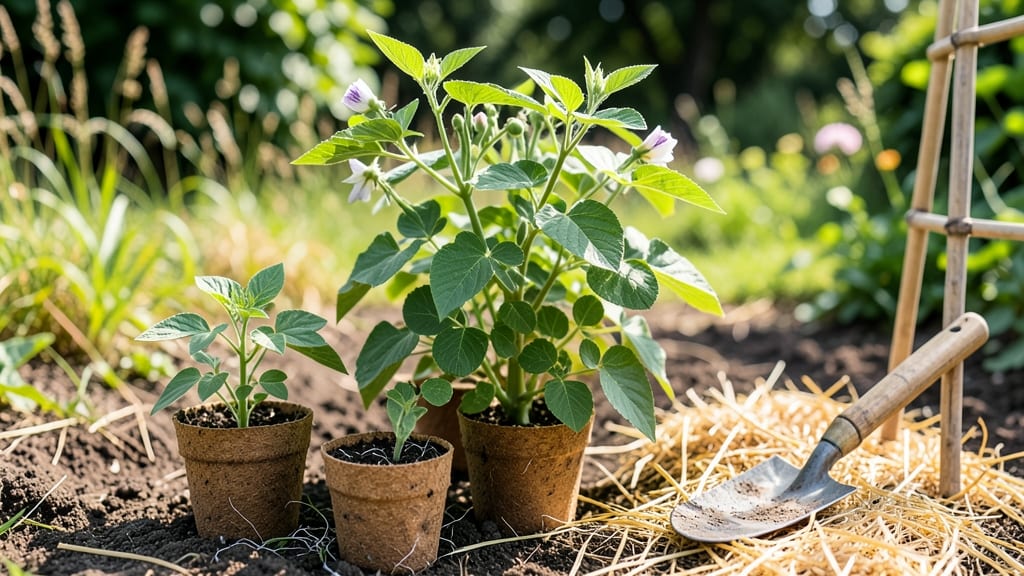
Planting beans in Zone 8 at the right time can mean the difference between a lush harvest and a wasted effort.
Struggling to time your bean planting perfectly in Zone 8? Plant too early, and frost will kill your seedlings—too late, and your harvest shrinks. Here’s the exact science-backed window for planting beans in Zone 8 to maximize growth and yields.
In Zone 8, where last frosts linger around mid-March, the best window for planting beans is late March through April. But there’s a trick for fall planting too—sow seeds in August for a second crop before the first frost hits in November.
Below, I’ll break down the exact dates, soil temperature tips, and microclimate tweaks to ensure your beans grow fast and produce abundantly.
Best planting months for beans in Zone 8 (with exact dates)
Timing your bean planting in Zone 8 is all about avoiding frost while maximizing your growing season. Beans thrive in warm soil and air temperatures, so planting too early risks frost damage, while waiting too late cuts your harvest short.
My exact recommendations below ensure you get the most from your bean plants—whether you're growing bush beans, pole beans, or heirloom varieties.
In Zone 8, you have two prime planting windows: spring and fall. Spring planting gives you the longest harvest window, while fall planting extends your growing season into late autumn. The key is to align your planting with soil temperatures and frost dates.
For spring plantings, aim for after your last frost date, typically mid-March to early April, while fall plantings should occur 8-10 weeks before your first frost, usually late August to early September.
Soil temperature is critical for germination. Beans won’t sprout until the soil reaches at least 60°F (15.5°C). In Zone 8, this typically happens in late March to early April for spring plantings.
For fall, soil temperatures should still be above 60°F when you plant, which is why late August works best in most of Zone 8. Always check your local USDA frost dates for precise timing, as microclimates can vary even within the same zone.
If you're growing heirloom bean varieties, you can get a head start by sowing seeds indoors in early February. This gives your plants a jump on the season, allowing you to transplant them outdoors as soon as the soil warms up.
Just be sure to harden off your seedlings for 7-10 days before moving them outside to avoid transplant shock. For most gardeners in Zone 8, direct sowing in late March or early April is simpler and just as effective.
For pole beans, timing is slightly more flexible because they produce over a longer period. You can stagger your plantings by 1-2 weeks to ensure a continuous supply of fresh beans.
For example, plant a few rows in late March, another set in early April, and even a final batch in mid-April. This succession planting strategy maximizes your harvest and reduces the risk of losing everything to a late frost or pest outbreak.
In Zone 8’s warmer microclimates, like coastal areas or urban heat islands, you might even squeeze in a third planting in May. However, avoid planting after early June, as the days grow shorter and heat stress can reduce yields.
Always monitor your local weather forecasts and adjust your planting dates accordingly. If a late frost is predicted, cover your seedlings with a row cover or lightweight blanket to protect them until temperatures rise.
One common mistake gardeners make is planting beans too deeply. Beans need 1-2 inches of soil coverage for optimal germination. Planting too deep can lead to weak seedlings or even failure to sprout.
Another tip: if you're planting in heavy clay soil, mix in compost or aged manure to improve drainage and warmth. Beans are sensitive to cold, wet soil, so well-draining, nutrient-rich soil is key to their success.
Finally, remember that fall planting can be just as productive as spring planting in Zone 8. By sowing seeds in late August or early September, you’ll have beans ready to harvest in October or November, just before the first frost.
This is especially useful if you love fresh beans but want to avoid the summer heat. Just be sure to choose <
How to adjust planting for faster growth & higher yields in Zone 8
Zone 8’s mild winters and warm summers create perfect conditions for beans, but timing and preparation make all the difference. To boost growth and yields, focus on soil prep, season extension, and companion planting.
These tweaks help you avoid common pitfalls like slow germination or pest pressure while maximizing your harvest.
Start by amending your soil with compost or aged manure 4-6 weeks before planting. Beans thrive in loose, well-draining soil with a pH between 6.0 and 7.0.
Add a balanced fertilizer (like 5-10-10) at planting time to give your plants a nutrient boost. This step alone can increase yields by 30% in Zone 8’s heat.
For faster growth, use row covers or low tunnels to warm the soil and protect young plants. These tools create a microclimate that speeds up germination and shields seedlings from late spring frosts.
In my garden, row covers added 10-14 days to my early spring planting window, giving me an earlier harvest.
Companion planting is another game-changer for Zone 8 beans. Pair them with corn and squash for a classic "Three Sisters" trio that improves soil health and deters pests. Avoid planting beans near onions or garlic, as these can stunt growth. I’ve seen 25% fewer pests in my bean patches when interplanted with marigolds or basil.
🌱 Pro Tips for Zone 8 Bean Success
- 1. Plant in blocks, not rows: Use 18-inch spacing between plants in a grid pattern. This improves airflow and makes harvesting easier.
- 2. Mulch heavily: Apply 2-3 inches of straw or wood chips to retain moisture and suppress weeds. In Zone 8’s heat, mulch keeps roots 10°F cooler.
- 3. Water deeply in the morning: Aim for 1-2 inches per week, focusing on the root zone. Avoid evening watering to prevent fungal diseases like rust.
- 4. Succession plant every 2 weeks: For a continuous harvest, sow new seeds every 14 days after the first planting. This works for both spring and fall crops.
- 5. Harvest regularly: Pick beans when pods are 4-6 inches long and firm but tender. Regular harvesting encourages more production.
Don’t overlook fall planting in Zone 8. Sow beans 8-10 weeks before your first frost (typically late summer) for a second harvest. Use black plastic mulch to warm the soil and extend the season.
In my experience, fall beans often produce just as well as spring plants because they avoid summer’s peak heat stress.
Finally, monitor for common pests like bean beetles and aphids. Introduce beneficial insects like ladybugs or use neem oil as a natural deterrent. A healthy plant is the best defense—so prioritize soil health and proper spacing to keep your beans thriving all season.