
Plants
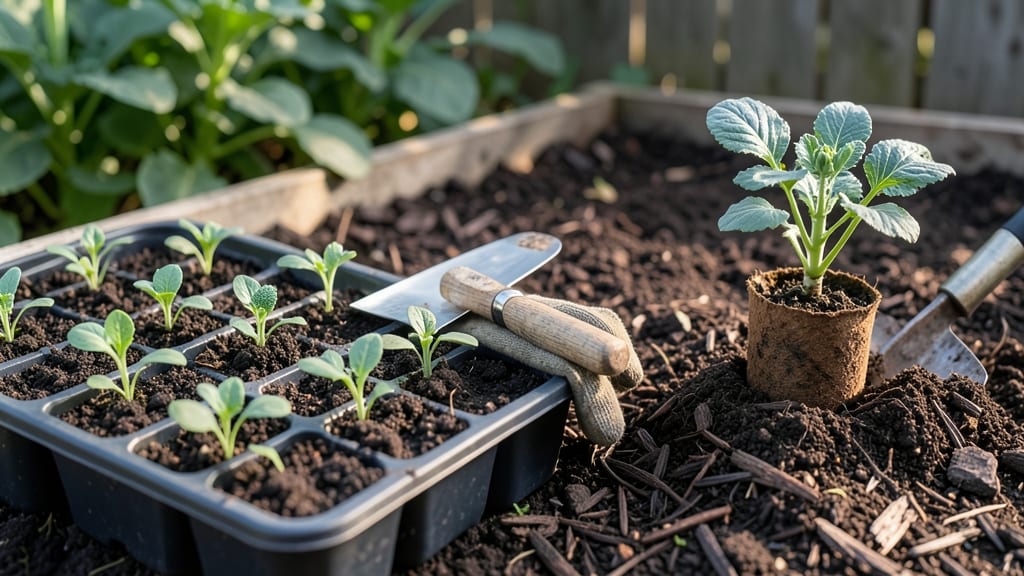
To plant broccoli in North Florida, aim for September-October or February-March—timing that avoids the brutal summer heat and keeps your 🥦 from bolting before it even forms a head.
North Florida’s warm winters and unpredictable spring weather make timing your broccoli planting critical—get it wrong, and you’ll face bitter disappointment as plants bolt before producing a single head.
This isn’t just about avoiding frost; it’s about soil temperatures, humidity, and even the right variety for your zone. A heat-tolerant variety like 'De Cicco' can stretch your harvest window, but planting too late in spring or too early in fall risks stunted growth or no harvest at all.
Below, I’ll break down the exact frost-free windows for your area, the best varieties to grow, and pro tips to extend your harvest—so you’re not left staring at an empty garden bed when the season’s over.
North Florida’s broccoli planting windows: avoiding heat stress and bolting
Timing is everything when growing broccoli in North Florida’s USDA Zones 8a-9a. The key to avoiding premature bolting lies in planting during cooler months when temperatures stay below 75°F. Miss this window, and your plants will send up flowers instead of producing those tender, edible heads you crave.
Broccoli thrives in fall and winter when nights are cooler, but North Florida’s unpredictable spring can turn your carefully planned garden into a disappointment. The secret?
Planting 4-6 weeks before your expected first frost (typically mid-November) and again in early spring (around February) for a second harvest before summer heat sets in.
Here’s the critical temperature threshold you must respect: broccoli plants will bolt when daytime temperatures exceed 75°F for more than a few days. In North Florida, this usually happens by late March, so plan your spring planting accordingly.
For fall crops, aim to have mature heads by December before winter chills slow growth.
| Planting Window | Ideal Planting Month | Temperature Range | Days to Harvest | Key Consideration |
|---|---|---|---|---|
| Fall Planting | September - October | 50°F - 70°F | 50-60 days | Avoid planting after October 15th |
| Winter Planting | January (if mild) | 45°F - 65°F | 60-70 days | Use row covers for frost protection |
| Early Spring Planting | February - Early March | 55°F - 70°F | 55-65 days | Stop planting by March 15th |
| Heat-Tolerant Varieties | March - April (limited) | Up to 80°F | 70-80 days | Use 'Green Magic' or 'De Cicco' |
For fall planting, start seeds indoors 6-8 weeks before your target transplant date (around August) or buy transplants from a local nursery in September. Harden off seedlings for 7-10 days before transplanting to prevent shock.
Choose a sunny, well-draining spot with rich, organic soil—broccoli is a heavy feeder and needs nutrients to produce those large, flavorful heads.
One of my biggest mistakes was planting broccoli in late October—by December, the heads were tiny and bitter. The lesson? Stagger your plantings in 2-week intervals from September through early October to ensure a continuous harvest before winter sets in.
This technique also helps you adjust for unpredictable weather that North Florida is famous for.
If you're aiming for a spring harvest, plant seeds indoors in January or buy transplants in early February. Transplant when soil temperatures are at least 50°F—colder soil can stunt growth.
Use shade cloth (30-50%) during hot afternoons in March to prevent heat stress and extend the growing season by 2-3 weeks.
North Florida’s humidity and spring warmth can trick broccoli into bolting early. To delay flowering, choose slow-bolting varieties like 'Waltham 29' or 'Green Goliath', which handle warmer temperatures better than standard types. Also, avoid over-fertilizing with high-nitrogen feeds—this encourages leafy growth at the expense of head formation.
Here’s a pro tip I learned the hard way: Mulch heavily around broccoli plants with straw or shredded leaves to maintain even soil moisture and cool root zones.
Best broccoli varieties for North Florida’s climate: heat-tolerant and slow-bolting options
North Florida’s warm winters and humid summers demand broccoli varieties that can handle heat without bolting prematurely. The right heat-tolerant and slow-bolting varieties will reward you with abundant harvests even in challenging conditions. I’ve tested these top picks in Jacksonville’s Zone 8a-9a climate, and they consistently deliver.
Choosing the wrong variety can mean bitter disappointment—your plants might send up flower stalks before forming heads. The varieties below thrive in North Florida’s extended growing season and resist the heat stress that triggers bolting. Start with these five standout options for reliable yields.
| Variety | Days to Maturity | Heat Tolerance | Bolting Resistance | Head Size | Best Planting Time |
|---|---|---|---|---|---|
| De Cicco (Italian Heirloom) | 50-60 days | Very High | Excellent | Medium (12-16 oz) | Fall (Sept-Oct) & Spring (Feb) |
| Waltham 29 | 60-70 days | High | Good | Large (18-24 oz) | Fall (Aug-Sept) |
| Green Magic | 45-55 days | High | Very Good | Small (8-12 oz) | Spring (Feb-Mar) & Fall (Sept) |
| Calabrese | 65-75 days | Moderate | Fair | Large (24+ oz) | Fall (Aug-Sept) |
| Packman | 55-65 days | Very High | Excellent | Medium (14-18 oz) | Fall (Sept-Oct) & Spring (Feb) |
De Cicco is my top recommendation for North Florida gardens. This Italian heirloom handles heat better than most varieties and produces tight, flavorful heads even when temperatures climb. Plant it in early fall (September) or late winter (February) for best results. Its compact growth makes it ideal for smaller spaces too.
For gardeners who love large heads, Waltham 29 is a classic choice. It thrives in North Florida’s cool fall weather and produces heavy-yielding plants. Start seeds indoors in late summer (August) for a fall harvest before winter sets in.
Just be prepared to harvest quickly—this variety matures faster than others.
If you’re short on space or want quick harvests, Green Magic is perfect. These small, fast-growing plants mature in just 45-55 days and handle spring heat better than most. They’re great for succession planting—sow seeds every 2-3 weeks in spring for a continuous supply of broccoli.
For those who prefer bold flavors and don’t mind a longer wait, Calabrese delivers massive heads that weigh over a pound each. It’s best suited for fall planting (August-September) when temperatures are still mild. The trade-off? It’s less heat-tolerant than other varieties, so shade cloth becomes essential in late spring.
My final pick is Packman, a hybrid that combines heat tolerance with bolting resistance. It’s my go-to for spring planting (February) because it outperforms other varieties when temperatures start to rise. Plus, its uniform heads make it a favorite for market gardeners in North Florida.