
Plants
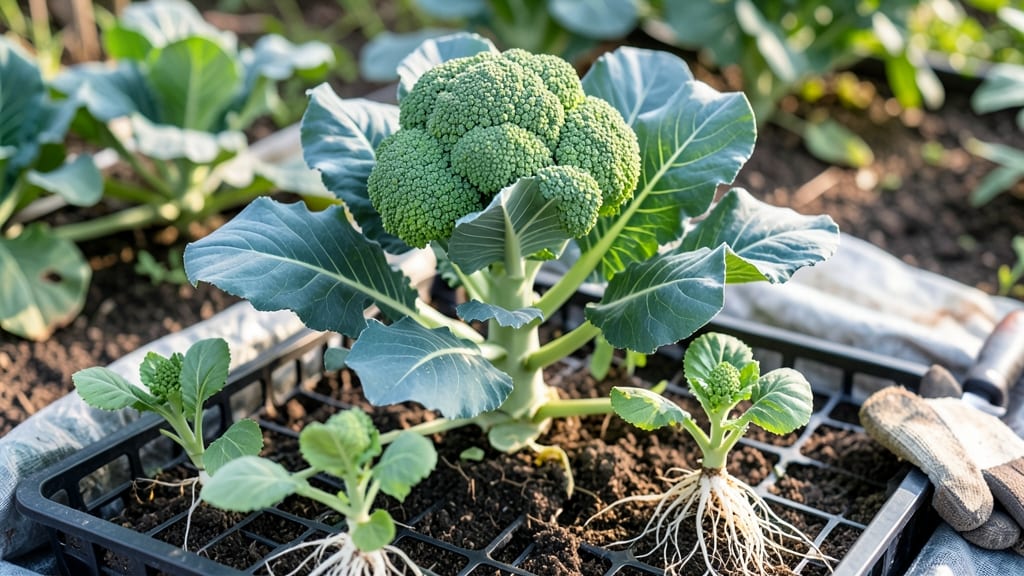
To plant broccoli in Zone 7a, aim for early spring or late summer—timing that keeps your 🥦 from bolting before harvest.
Bolting broccoli ruins your harvest—but planting at the perfect time in Zone 7a can prevent it entirely. Miss the window, and you’ll end up with bitter, flowery stalks instead of the tender heads you’re after.
Here’s the key: sow seeds or transplant seedlings 4-6 weeks before your last frost (around early March) for spring harvests, or 8-10 weeks before your first frost (late August) for fall crops.
The goal? Avoid the heat spikes that trigger bolting, while still giving your plants enough cool weather to mature.
Below, I’ll break down the exact months, soil temperature tricks, and microclimate hacks to lock in a zero-bolting harvest—plus the best varieties for Zone 7a’s tricky climate.
Best planting months for broccoli in Zone 7a: avoiding bolting risks
Broccoli thrives in Zone 7a when planted at the right time, but getting the timing wrong can trigger premature bolting—when plants flower instead of producing heads. The key is planting during cooler months when soil temperatures stay below 75°F and days are shorter.
In my garden, I’ve found that two distinct windows work best: early spring and late summer.
For spring planting, aim for February through early March to give broccoli enough time to mature before summer heat arrives. Fall planting should start mid-August through September, allowing heads to form before the first frost in mid-November.
Missing these windows risks exposing your plants to heat stress, which sends them into bolting mode faster than you’d like.
| Planting Window | Soil Temp Threshold | Days to Maturity | Bolting Risk |
|---|---|---|---|
| Early Spring (Feb-Mar) | 45-60°F | 50-70 days | Low (cooler temps) |
| Late Summer (Aug-Sept) | 55-65°F | 60-80 days | Moderate (watch heat spikes) |
| Avoid: April-May | Above 70°F | N/A (bolting likely) | High (heat stress) |
Soil temperature is the single most critical factor for preventing bolting. Broccoli seeds won’t germinate well in soil below 40°F, but once sprouted, they’ll bolt if soil temps exceed 75°F for more than 3 days.
I use a soil thermometer to monitor conditions—planting when temps are consistently between 45-65°F gives the best results.
In my Zone 7a garden, I’ve noticed that August is the last safe month for fall planting. After that, even late-summer heat waves can push soil temps into the dangerous zone.
For example, in 2022, my September-planted broccoli bolted prematurely because a 90°F heatwave hit earlier than expected. Since then, I’ve shifted to mid-August as my cutoff.
Another trick I’ve learned is to use shade cloth during peak afternoon heat (1-4 PM) if planting in late August. This can drop soil temps by 5-10°F, giving your broccoli a fighting chance against bolting.
For spring planting, focus on morning sun exposure and afternoon shade from nearby plants or structures.
Transplanting seedlings is often more reliable than direct sowing in Zone 7a. Start seeds indoors 4-6 weeks before your target planting date, then move them outside when soil temps stabilize. This gives seedlings a head start and reduces the time they spend vulnerable to heat stress after transplanting.
Watch for yellowing leaves or flower stalks emerging from the center—these are classic signs of bolting. If you catch it early, you can still harvest the side shoots (smaller florets) for a partial harvest. But prevention is always better than cure, which is why timing is everything in Zone 7a.
For those with microclimates, pay attention to local heat pockets. South-facing beds or areas near pavement can be 5-10°F warmer than north-facing spots. I’ve had success growing broccoli in north-facing beds during summer, where temps stay cooler by 10°F or more compared to south-facing areas.
Finally, consider succession planting every 2 weeks during your optimal windows. This spreads out your harvest and reduces the risk of losing an entire crop to bolting.
In my experience, staggered plantings mean I always have fresh broccoli ready to harvest for 6-8 weeks in spring and 4-6 weeks in fall.
How to extend broccoli season in Zone 7a: success tips for fall and spring
Extending your broccoli harvest in Zone 7a requires smart timing and protective strategies. By using succession planting and row covers, you can enjoy fresh broccoli from early spring through late fall without the risk of bolting.
Start with staggered plantings—sow seeds every 2-3 weeks in early spring (February-March) and late summer (August-September). This ensures a continuous supply of young plants that mature at different times, maximizing your harvest window.
The key to success lies in protecting your plants from unpredictable frosts and late-spring heat waves. In Zone 7a, temperatures can swing dramatically, so plan ahead with these proven techniques:
🌱 Numbered Highlights: Extend Broccoli Season in Zone 7a
- 1. Start seeds indoors 6-8 weeks before last frost (by early January) for early spring transplants. Use grow lights to prevent leggy seedlings.
- 2. Use row covers (floating or hoop-style) to protect seedlings from light frosts (down to 25°F) and extend the growing season by 2-4 weeks in spring and fall.
- 3. Plant heat-tolerant varieties like 'De Cicco' or 'Waltham 29' for late-spring/early-summer plantings. These handle 75-80°F soil temps better than standard types.
- 4. Mulch heavily with straw or shredded leaves to keep soil temps stable and retain moisture during Zone 7a's dry spells.
- 5. Succession plant every 3 weeks from late August through September for a fall harvest. Aim to transplant 8-10 weeks before first frost (mid-November).
- 6. Shade cloth (30-50%) during peak summer heat (July-August) prevents bolting. Secure cloth over plants when temps exceed 85°F.
- 7. Harvest side shoots after main head removal to prolong production. Cut stems 5-6 inches below the harvested head to encourage regrowth.
For fall plantings, focus on late August to early September sowings. This timing ensures your broccoli matures before Zone 7a's first frost (mid-November) while avoiding the late-summer heat that triggers bolting. Use black plastic mulch to warm soil quickly and drip irrigation to maintain even moisture.
Don't forget about companion planting—pair broccoli with bush beans or dill to deter pests like cabbage moths. These companions also improve soil health, giving your broccoli the nutrient boost it needs to thrive through extended seasons.
With these strategies, you can enjoy homegrown broccoli from April through November in Zone 7a—no bolting, no stress, just a steady supply of those nutrient-packed heads you love. 🌱