
Plants
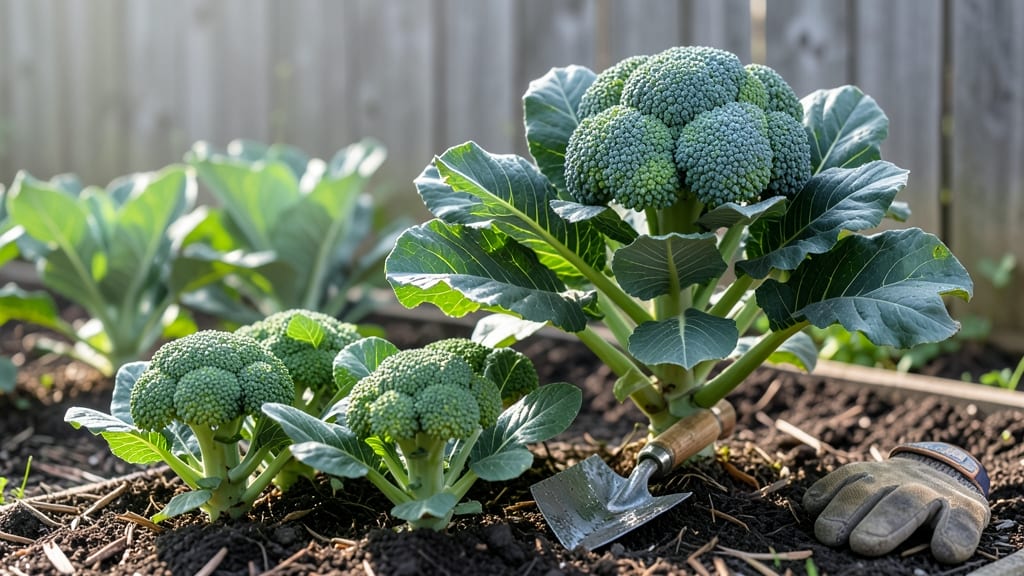
Plant broccoli in Central Texas between late August and early September for a fall harvest or in February to early March for spring, when soil temps stay below 80°F and summer heat hasn’t arrived.
Central Texas gardeners know the struggle—broccoli hates the heat, but planting too late means missing the harvest window. The key? Timing your seeds just right to beat the summer scorcher while avoiding fall freezes.
Most varieties bolt when temps creep above 75°F, so heat-tolerant picks like 'Waltham 29' or 'De Cicco' are your best bet. These stay productive longer, giving you a 60-70 day window to harvest before summer shuts down production.
Below, I’ll walk you through the exact months to plant, how to stretch your season with shade and mulch, and the three mistakes that kill Central Texas broccoli before it even matures.
Best planting months for broccoli in Central Texas (with heat-tolerant variety guide)
Central Texas gardeners face a tricky balance when growing broccoli—it thrives in cooler weather but bolts quickly when temperatures creep above 80°F. The secret to success lies in planting during two precise windows: late summer for fall harvests and early spring for spring crops.
These timing strategies let you avoid both summer heat and early fall freezes that can ruin your crop.
In USDA Zones 8a-9b, broccoli grows best when soil temperatures stay between 55-75°F. This means waiting until after summer's peak heat has passed but before fall's first frost arrives.
For Central Texas, that typically means planting in late August through early September for fall crops and February through early March for spring harvests.
Here's the crucial planting timeline you need to follow:
| Planting Window | Ideal Varieties | Soil Temp | Harvest Time | Key Tip |
|---|---|---|---|---|
| Late August - Early September | Waltham 29, De Cicco, Calabrese | 60-75°F | October - November | Use shade cloth after planting |
| February - Early March | Green Magic, Packman, Purple Sprouting | 55-70°F | April - May | Mulch heavily to retain moisture |
| Avoid planting | Any variety | Above 80°F | Summer months | Broccoli will bolt immediately |
For Central Texas gardeners, Waltham 29 and De Cicco are my top recommendations because they tolerate 70-80°F soil temperatures better than most varieties. These heat-tolerant types can handle our late summer heat slightly better, giving you a better chance of a successful fall crop.
I've had the best luck with these varieties in my own garden when planted in late August.
When preparing your soil, focus on creating a well-draining, nutrient-rich bed with a pH between 6.0-7.0. Central Texas clay soil can be tricky, so I always amend it with 2-3 inches of compost and a handful of aged manure before planting.
This helps prevent waterlogging while providing essential nutrients for strong growth.
One common mistake I see is planting broccoli too early in spring or too late in fall. If you plant in January or December, you risk frost damage. Conversely, planting after mid-September means your crop will face summer heat and likely bolt before producing heads.
The 4-6 week rule works perfectly here: count back 4-6 weeks from your average first frost date (typically November 15 in Central Texas).
For spring planting, aim for February to give your broccoli enough time to mature before summer heat arrives. I've found that Green Magic does particularly well in spring plantings because it matures quickly—usually in 50-60 days—which helps it avoid the worst of the summer heat.
Always use shade cloth (30-50%) during the hottest afternoon hours to protect young plants.
Remember that Central Texas has microclimates—hill country areas stay cooler than urban Austin, while West Texas can be even hotter. Adjust your planting dates by 1-2 weeks based on your specific location's frost dates.
For example, if you're in Zone 9a, you might extend your fall planting window to early October.
Finally, don't forget about succession planting. For a continuous harvest, I recommend planting a second crop in late September if your first planting produces quickly. This staggered approach maximizes your yield while working with Central Texas' unpredictable weather patterns.
How to extend broccoli season in Central Texas heat (shade, mulch & succession planting tips)
Central Texas summers can turn your broccoli into a sad, bolted mess if you're not strategic. The key to success? Heat management through shade, mulch, and smart planting schedules.
I’ve learned that broccoli thrives when soil temps stay below 75°F, so we’ll focus on cooling tricks to push harvests later into spring or earlier into fall.
First, let’s talk shade cloth. A 30-50% shade cloth draped over your plants during peak afternoon sun (12 PM–4 PM) can drop soil temps by 10-15°F.
I use white shade cloth because it reflects heat better than black or green. Just secure it with stakes or a hoop system to avoid crushing your plants.
Mulching is another game-changer. A 3-inch layer of straw or wood chips keeps soil moist and cool. I’ve seen mulched beds stay 10°F cooler than bare soil on 100°F days. Plus, it suppresses weeds, which compete for nutrients your broccoli needs. Replenish mulch every few weeks as it breaks down.
- 📅 Plant in stages: Start with transplants in late August for fall harvests, then sow succession seeds every 2 weeks until October. This ensures a rolling crop before winter sets in.
- 🌡️ Monitor soil temps: Use a soil thermometer—broccoli bolts when soil hits 80°F+. If temps rise, water deeply at dawn to cool roots.
- 🌿 Choose heat-tolerant varieties: 'De Cicco' and 'Waltham 29' handle 75-80°F soil temps better than standard types. They’re also bolt-resistant, which is crucial in Texas.
- 🌱 Use raised beds: Fill with 50% compost to improve drainage and heat retention. Raised beds warm up slower in spring, giving you an earlier start than in-ground planting.
- 💧 Drip irrigation only: Overhead watering causes fungal diseases in heat. Drip systems deliver water directly to roots and reduce evaporation.
For succession planting, I recommend a 3-week schedule in fall. Start with transplants in late August, then add seeds every 21 days until early October.
This staggered approach ensures you’re always harvesting fresh heads while older plants mature. In spring, repeat the process starting in February for a late-winter/early-spring crop.
Don’t forget about fertility. Broccoli is a heavy feeder, so side-dress with compost or a balanced 10-10-10 fertilizer when plants are 6 inches tall. I mix it into the soil around the base to avoid burning roots.
Avoid high-nitrogen fertilizers—they promote leafy growth at the expense of your broccoli heads.
With these tricks, I’ve extended my broccoli season from 4 weeks to 8 weeks in Central Texas. The secret? Staying one step ahead of the heat with shade, mulch, and a little planning. Now go grab those transplants—your future harvest is waiting!