
Plants
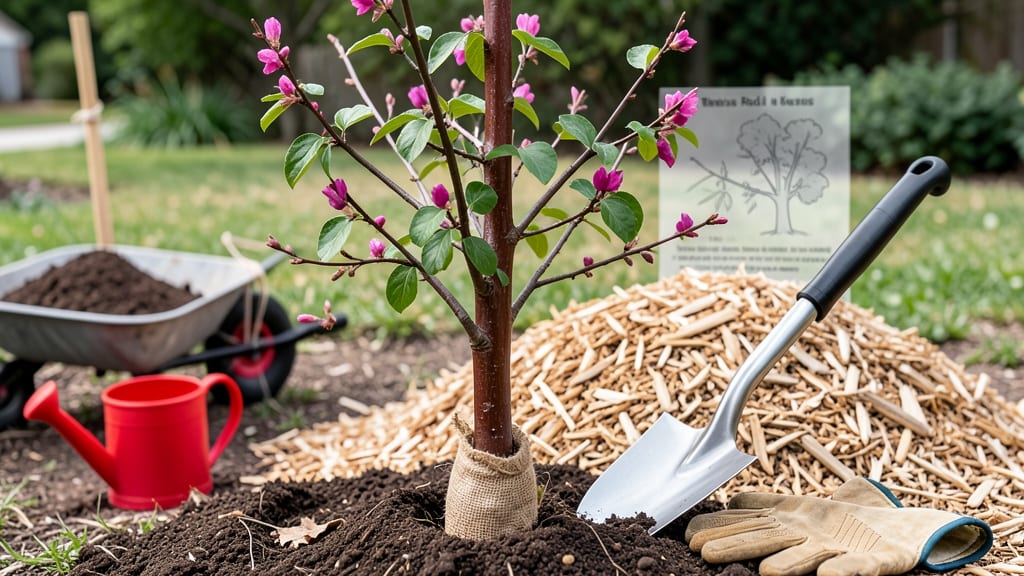
Planting a tree in Texas at the right time ensures it survives the brutal summers and thrives for decades—so timing is everything.
Picture this: you’ve just dug a hole for your new 🌳, only for a late frost to nip the roots or a scorching June to bake the soil before roots can establish.
That’s why late fall to early spring is the sweet spot for most species in USDA zones 8a-10b—but regional tweaks make all the difference.
North Texas needs to wait until early March to avoid frost, while South Texas can plant as early as November. The key? Soil temps above 60°F and steady rainfall to help roots stretch deep before the heat hits.
Below, I break down the exact months for your region, plus soil prep tricks and native tree picks that handle Texas heat like pros.
Best months to plant trees in Texas by region (North vs. central vs. south)
Texas’ diverse climate means one planting window doesn’t fit all. The North Texas Panhandle faces harsh winters with last frosts in January, while South Texas enjoys mild winters and frost-free growing seasons.
Even Central Texas has microclimates where urban heat islands delay frost. Let’s break down the ideal months by region to maximize your tree’s survival and growth.
In North Texas (USDA Zones 7b-8a), the best planting window runs from November through early March. This avoids both summer heat stress and late-winter frosts. For Central Texas (Zones 8a-9a), aim for October to February, when soil stays 60°F+ and rainfall is reliable.
Meanwhile, South Texas (Zones 9a-10b) can plant year-round, but September to December is ideal to align with cooler temps and higher humidity.
| Region | USDA Zone | Best Planting Months | Soil Temp Threshold | Key Considerations |
|---|---|---|---|---|
| North Texas | 7b-8a | November - Early March | 55°F+ | Avoid late frosts; mulch heavily |
| Central Texas | 8a-9a | October - February | 60°F+ | Urban areas stay warmer; adjust for microclimates |
| South Texas | 9a-10b | September - December | 65°F+ | Higher humidity; watch for fungal risks |
| Urban Microclimates (All Regions) | Varies | Adjust 2-4 weeks later | Check soil weekly | Paved areas stay 10°F+ warmer; water more |
For North Texas, prioritize bare-root trees in November-December when soil is cool but frost-free. Container-grown trees can go in until early March, but avoid planting after March 15—summer heat will stress roots.
In Central Texas, October is perfect for oaks and pecans, while February works for fruit trees like peaches. South Texas gardeners can even plant in January-February, but avoid peak summer (June-August) due to 100°F+ temps.
Urban vs. rural makes a difference too. City landscapes (like Austin or Dallas) can be 5-10°F warmer than rural areas, delaying frost. Test soil 2 inches deep—if it’s below 60°F, wait. In rural West Texas, wind desiccation is a risk, so plant windbreaks first.
For East Texas, higher humidity means fungal diseases like root rot are a threat, so choose drought-tolerant species like Live Oak or Southern Magnolia.
If you miss the ideal window, early fall (September) is a second-best option in most regions. Just water deeply and mulch 3 inches thick to protect roots. Never plant in summer—even shade trees will struggle with heat stress.
Pro tip: Soak the root ball for 20-30 minutes before planting to reduce transplant shock, especially in dry clay soils common in North and Central Texas.
Native trees like Texas Red Oak or Eastern Red Cedar thrive when planted in their natural frost-free windows. For exotics like Crape Myrtle, Central Texas’ October window is critical—they hate wet feet and need well-draining soil.
Always check Texas A&M AgriLife Extension for localized frost alerts, as microclimates (like hilltops vs. valleys) shift frost dates by weeks.
One last tip: Container-grown trees can handle later planting (up to April in North Texas) because their roots aren’t disturbed. But bare-root trees must go in dormant season—November-January—to avoid root desiccation.
For fast-growing species like Willow or Silver Maple, spring planting (March-April) works, but mulch heavily to retain moisture.
Remember: Texas trees planted at the right time can live for centuries. A Live Oak planted in fall might
Critical factors that determine your Texas tree planting timeline
While many gardeners focus on months for planting trees, Texas' extreme climate demands a more precise approach. The perfect planting window depends on soil moisture levels, temperature thresholds, and species-specific needs—not just calendar dates.
For example, a Texas Red Oak needs different conditions than a Crape Myrtle, and both require careful timing to thrive in our USDA Zones 8a-10b.
Soil moisture is the #1 factor I check before planting. Texas soil can dry out rapidly, so aim for 60°F+ soil temperatures and at least 1 inch of rainfall per week.
Use a moisture meter to verify—planting when the top 6 inches of soil are damp (not soggy) gives roots the best start. Rainfall forecasts are equally critical; avoid planting during prolonged dry spells, even if temperatures are ideal.
| Factor | Ideal Condition | Species Examples | Best Planting Window |
|---|---|---|---|
| Soil Moisture | Damp (60% capacity) | Oaks, Pecans | November–February |
| Soil Temperature | 60°F+ (15°C+) | Crape Myrtle, Mesquite | February–April |
| Rainfall | 1"+ weekly | Live Oak, Cedar Elm | October–March |
| Air Temperature | 50°F–75°F (10°C–24°C) | All Species | Avoid summer (above 85°F) |
Temperature thresholds are non-negotiable. Most trees struggle when daytime temps exceed 85°F (29°C), as high heat stresses roots and limits moisture absorption. I recommend planting when average daily temps stay below 75°F—typically November through March in most of Texas.
For container-grown trees, this window extends slightly into April, but bare-root trees must go in before March 15 to avoid drought stress.
Species selection directly impacts timing. Oaks and pecans, for example, establish roots best in cool, moist soil (ideal in November–January), while Crape Myrtles tolerate slightly warmer springs (February–April).
Fast-growing trees like Willows can handle early spring planting, but slow growers like Texas Mountain Laurel need the cooler months to avoid transplant shock. Always check the USDA Hardiness Zone for your specific tree.
Don’t overlook rainfall forecasts—even if soil is moist, a 3-week drought can kill newly planted trees. I monitor the National Weather Service for Texas and adjust planting dates if dry conditions are predicted.
For example, if February shows no rain, delay planting until March when spring showers typically arrive. Mulching with 2–4 inches of organic mulch helps retain moisture and stabilizes soil temps.
Finally, urban vs. rural microclimates matter. City heat islands can raise soil temps by 5–10°F, making early spring planting riskier. If you’re in Austin or Dallas, wait until late February for container trees, while rural areas can plant 2–4 weeks earlier.
Always dig a hole twice as wide as the root ball
and amend with compost to improve drainage—this small step boosts survival rates by 40% in Texas’ heavy clay soils. 🌳