
Plants
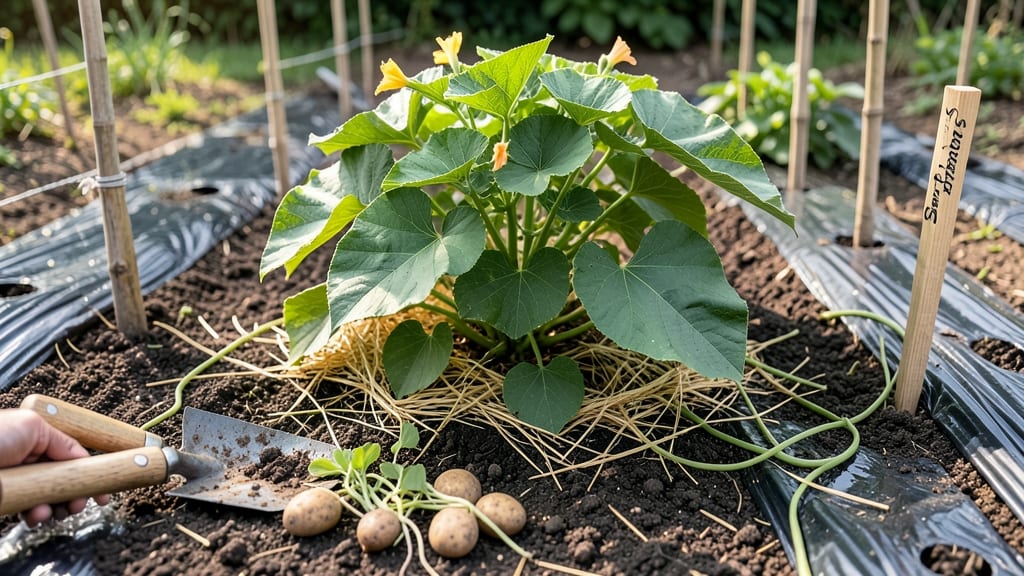
To plant sweet potatoes in East Texas, aim for mid-April to mid-June when soil temperatures hit 65°F+ and frost risk fades completely.
Sweet potatoes 🍠 thrive in East Texas’s long, hot summers—but planting them too early or late can mean poor yields or pest problems. Timing is everything for these heat-loving roots, and missing the window could cost you a bountiful harvest.
East Texas’s USDA Zone 8a climate means you’ve got about 75 days of ideal planting weather, but soil warmth is the real game-changer. Cold soil slows germination, while early planting risks frost damage to young vines.
Below, I’ll break down the exact months to plant, how to prep your soil for faster growth, and the one trick that keeps your sweet potatoes thriving through East Texas’s brutal summer heat.
Best planting months for sweet potatoes in East Texas (with heat zones)
East Texas gardeners know sweet potatoes are heat-loving crops that demand precise timing. Planting too early risks frost damage, while late planting may lead to poor tuber development before fall. The ideal window depends on your USDA zone (7b-9a) and soil temperature—both critical factors for successful germination.
For Zones 7b-8a, aim to plant between mid-April and mid-June when soil temperatures consistently reach 65°F or higher. In Zone 9a, you can extend planting slightly later into early July, but avoid planting after June 15 in cooler zones to ensure tubers mature before frost.
Sweet potatoes grow best in warm soil, so using black plastic mulch can accelerate soil warming by 5-10°F. This is especially helpful in Zone 7b, where nights can still dip below 50°F in early spring.
Always check soil temperature with a soil thermometer—it’s the most reliable indicator.
Key varieties like Beauregard, Jewel, and Centennial thrive in East Texas’s heat but need 90-120 days to mature. Planting in late May typically yields harvests in September-October, just before the first frost risk (mid-November).
Here’s your East Texas planting timeline broken down by zone, including frost risks and ideal soil conditions:
In Zone 7b, where frosts linger longer, prioritize late April or early May plantings. Use row covers or black plastic mulch to protect young slips from unpredictable cold snaps.
For Zone 9a, you have more flexibility—planting in early July still allows for a harvest before first frost in mid-November.
Always start with slips (young plants), not seeds, as they germinate faster in East Texas’s heat. Purchase slips from local nurseries in March-April and harden them off for 7-10 days before transplanting. Avoid planting direct-seeded sweet potatoes in East Texas—they take too long to germinate in cooler soil.
Watch for soil moisture after planting. Sweet potatoes need consistent watering (1-2 inches per week) but avoid soggy soil, which can cause rot. In June-August, increase watering to every 2-3 days during heatwaves to prevent stress on the vines.
If you miss the spring window, late summer plantings (August) can still work in Zone 9a, but yields may be smaller. For Zone 7b-8a, stick to spring—fall plantings rarely mature before frost. Always monitor local weather forecasts and adjust your timeline accordingly.
Pro tip: Plant Beauregard (fast-maturing) in April and Jewel (longer season) in May to stagger your harvest. This ensures a steady supply of sweet potatoes from September through November.
How to adjust planting time for East Texas’s unpredictable weather patterns
East Texas’s weather can throw curveballs—late spring freezes in April or early heatwaves in March. These shifts can derail your sweet potato planting if you’re not prepared.
The key is flexibility: knowing how to delay, extend, or protect your planting window ensures you still get a harvest, even when Mother Nature doesn’t cooperate.
For example, if a late frost hits after your usual April 15 start date, don’t panic. Sweet potatoes are resilient, but you’ll need to warm the soil faster and use protective measures.
Similarly, if summer arrives early, you might need to shift to late-June plantings to avoid wilting vines before harvest.
⚠️ WARNING: Common Mistakes in East Texas Planting
To handle late springs, start slips indoors under grow lights 4-6 weeks before your target outdoor date. Use black plastic mulch to raise soil temperatures 10-15°F faster than bare earth.
For early freezes, cover young plants with frost cloth or row covers until temperatures stabilize above 50°F at night.
If summer heat arrives earlier than usual, opt for shade cloth (30-50% coverage) to protect vines from scorching while still allowing 6+ hours of sunlight. Water deeply in the early morning to prevent fungal issues, and mulch with straw or wood chips to retain moisture.
These adjustments can extend your harvest window by 2-3 weeks.
For backup planting dates, aim for these East Texas-specific windows:
- Main window: April 15–May 15 (ideal for most varieties)
- Late spring backup: May 30–June 10 (use heat-tolerant varieties like Beauregard)
- Emergency late window: June 20–July 5 (only for short-season varieties; harvest by September 15)
Pro tip: Plant test slips 2 weeks before your main planting date to gauge soil warmth. If they sprout within 10-14 days, your soil is ready. If not, wait another week and re-warm the soil with clear plastic sheeting for 3–5 days before replanting.