
Plants
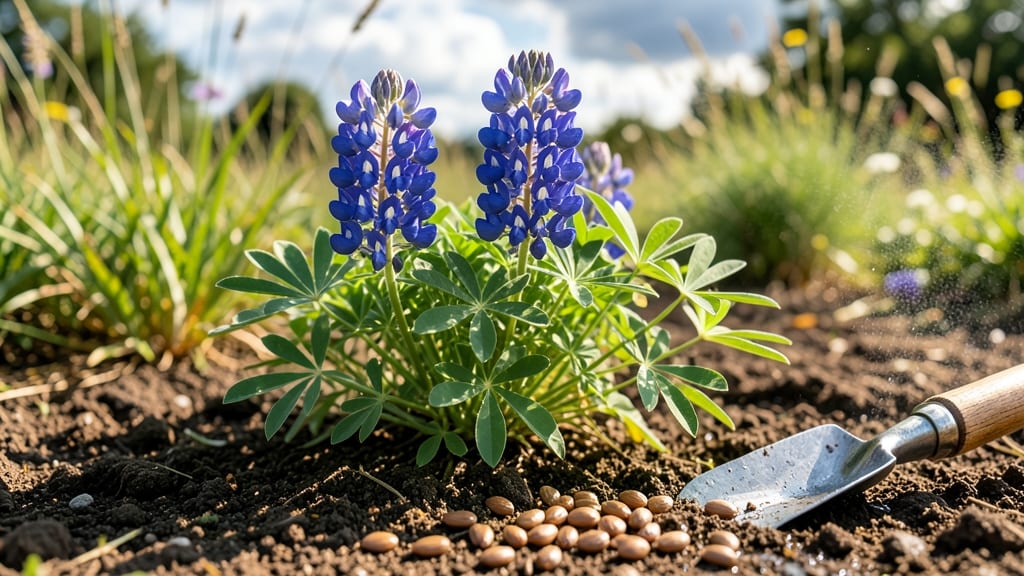
Planting bluebonnet seeds in South Texas at the right time ensures a vibrant spring display of blue blooms 🌸 that will make your neighbors green with envy.
South Texas gardeners dream of carpeting their landscapes in bluebonnets—but planting them at the wrong time can mean sparse blooms or no flowers at all. Timing is everything for these hardy wildflowers, and mastering the schedule ensures your fields or gardens burst with color come spring.
Fall is the perfect window for sowing bluebonnets in South Texas, between October and November, when the soil is still warm but the heat has backed off just enough for seeds to germinate without drying out.
This timing lets them establish roots before winter, so they’re ready to explode with blooms by March.
In this guide, I’ll break down the exact months to plant, how to prep your soil for South Texas’ unique climate, and the game-changer care tips that keep your bluebonnets thriving year after year—no matter how dry or hot it gets.
Optimal bluebonnet planting windows in South Texas (by month & climate Zone)
South Texas gardeners know that bluebonnets are the state flower for a reason—they thrive here with minimal fuss. But timing your planting window correctly is the secret to those iconic blue carpets in spring.
In USDA Zones 8-10, the difference between fall planting and spring planting can mean the difference between a lush display and a sparse one.
The key to success lies in understanding South Texas' unique climate. Unlike northern regions, we don’t have harsh winters—just mild frosts and unpredictable rainfall. This means fall planting (October–November) is ideal, but spring planting can work too if you’re strategic.
Let’s break down the best months for each climate zone and how to adjust for our region’s quirks.
| Month | USDA Zones 8-10 | Best For | Notes |
|---|---|---|---|
| September | Zones 9-10 | Early Fall Planting | Seeds need 2-3 weeks of warm soil to germinate; ideal for Zone 10 where frost is rare. |
| October | Zones 8-10 | Prime Planting Window | Best month—soil cools, rainfall increases, and seeds establish before winter. |
| November | Zones 8-9 | Late Fall Planting | Works if planted before first frost (typically mid-December in Zone 8). |
| December | Zone 10 Only | Emergency Planting | Only for Zone 10—seeds may need light irrigation to prevent drying. |
| January | Avoid | Frost Risk | Seeds won’t germinate in cold soil; wait for spring warmth. |
| February | Zone 9-10 | Spring Planting | Best for Zone 10—seeds germinate quickly in warm soil. |
In Zone 8, where frosts are more frequent, October is critical. Planting in late October ensures seeds germinate before the first frost (usually around December 15). If you miss this window, wait until February—but be prepared for slower germination due to South Texas’ dry springs.
For Zone 9 and 10, you have more flexibility. September planting is possible if you’re in Zone 10, where frost is rare.
However, October remains the safest bet—it balances soil moisture and temperature, giving seeds the best chance to establish before winter. November works in Zone 9, but avoid planting after December 1 unless you’re in Zone 10.
Rainfall plays a huge role in South Texas. Unlike northern regions, we don’t get reliable winter rains. If you plant in October or November and don’t get natural rainfall, light irrigation (about 1 inch every 2 weeks) keeps seeds from drying out.
Skip the watering after germination—bluebonnets are drought-tolerant once established.
Spring planting is riskier but can work in Zone 9-10. If you plant in February, seeds germinate quickly in the warmth, but you’ll miss the natural dormancy period that fall planting provides.
This can lead to weak stems or fewer blooms. For best results, stick to fall planting and let nature do the work.
Pro tip: Scatter seeds thinly—they self-seed aggressively. Aim for 1/4 pound per 1,000 sqft for a natural look. Avoid burying seeds; light coverage (just pressing them into soil) is all they
How to adjust planting timing for South Texas soil & weather challenges
South Texas presents unique challenges for bluebonnet growers, from heavy clay soils that bake hard in summer to unpredictable rainfall patterns. These conditions demand smart adjustments to your planting timeline and care routine.
The key is understanding how to work with—not against—your local environment to give bluebonnets the best chance to thrive.
Heavy clay soils in South Texas can suffocate seeds and trap moisture, leading to rot or poor germination. To combat this, I always amend the soil with 2-3 inches of compost or well-rotted manure before planting.
This improves drainage while retaining just enough moisture for those critical early growth stages. For urban gardeners with compacted soil, consider raised beds filled with a mix of native soil and coarse sand.
Drought conditions are another major hurdle. While bluebonnets are drought-tolerant once established, their seeds need consistent moisture to germinate. My strategy? Plant in October or November when temperatures are cooler and rainfall is more reliable.
If you're in a particularly dry microclimate, consider pre-sprouting seeds indoors 4-6 weeks before your target outdoor planting date.
⚠️ CAUTION: SOIL PREP MISTAKES CAN RUIN YOUR BLUEBONNET DREAMS ⚠️
Sowing bluebonnet seeds in August or September risks them germinating too soon, only to be fried by South Texas' relentless summer heat. The ideal window is October 1st to November 15th, when soil temps are between 60-75°F—perfect for germination without the stress of extreme heat.
For rural areas with heavier clay, wait until mid-October when rains typically arrive. Urban gardeners can plant slightly earlier (late September) since city environments often stay cooler slightly longer.
Pro Tip: Test your soil's moisture level before planting—it should feel like a wrung-out sponge, not bone-dry or soggy.
Mulching is my secret weapon for South Texas bluebonnets. After planting, I apply a 1-inch layer of straw mulch to lock in moisture and regulate soil temperature. This is especially crucial in urban areas where pavement absorbs and radiates heat.
For rural properties with more organic matter, a thin layer of leaf litter works beautifully while adding nutrients as it breaks down.
Watering strategies must adapt to your location. In rural South Texas with heavy clay soils, I water deeply once every 10-14 days after planting to encourage deep root growth.
Urban gardeners should water more frequently (every 5-7 days) due to faster soil drying. Always water in the early morning to prevent fungal issues from evening humidity.
For maximum success, consider these location-specific adjustments:
- Rural areas: Plant after first frost (typically mid-November) when rains are more predictable
- Urban gardens: Pre-sprout seeds indoors in September for earlier outdoor transplanting
- Coastal regions: Extend planting to early December due to milder winters
With these adjustments, you'll transform South Texas' challenging conditions into perfect growing opportunities for your bluebonnets.