
Plants
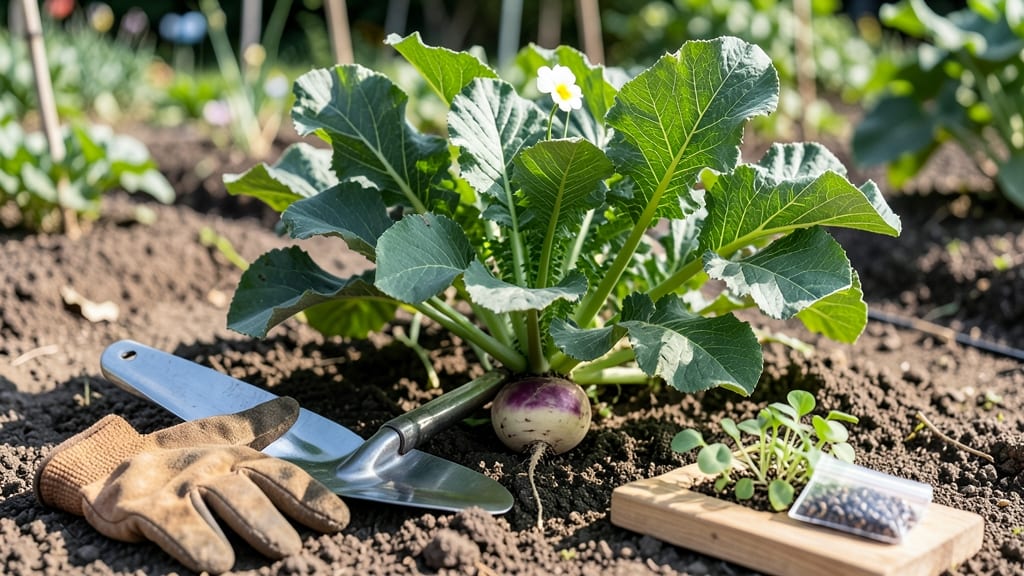
Plant turnips in Texas between mid-August and early October for a fall harvest, or February to early March for spring, when soil temperatures stay mild and the brutal summer heat hasn’t arrived yet.
Texas gardeners know timing is everything—plant turnips too early, and they bolt in the heat; too late, and they struggle with winter cold. But with the right heat-tolerant varieties and precise planting windows, you can harvest crisp, flavorful turnips year-round.
North Texas has a shorter growing season than South Texas, so late August is the cutoff for fall plantings in Dallas, while Houston gardeners can push it to mid-September. The key is avoiding soil temps above 85°F, which sends turnips into survival mode.
Below, I break down the exact months by region, the heat-tolerant varieties that thrive here, and how to stagger plantings for continuous harvests—no more wasted seeds or bitter greens.
Best planting months for turnips in Texas: heat-tolerant varieties by region
Texas gardeners face unique challenges when growing turnips—scorching summers and unpredictable winters demand precise timing. Unlike northern climates, turnips thrive in Texas with the right heat-tolerant varieties and strategic planting schedules. The key is avoiding bolting from heat stress while maximizing cool-season growth before winter chill sets in.
Texas spans three distinct growing regions, each with its own frost dates and heat patterns.
North Texas (Dallas/Fort Worth) has cooler winters, Central Texas (Austin) balances heat and cold, while South Texas (Houston/San Antonio) stays warm year-round. Each region benefits from different turnip varieties and planting windows to ensure success.
For North Texas, where average first frost arrives around November 15 and last frost typically occurs March 15, the ideal planting windows are September-October for fall harvests and February-March for spring crops. Central Texas gardeners should plant August-September and February-March to avoid extreme summer heat, while South Texas can extend plantings through October-November and even January-February for cooler winter months.
In North Texas, the Purple Top White Globe variety excels due to its cold tolerance, while Tokyo Cross handles brief summer heat spikes better than traditional varieties. For Central Texas, where summer temperatures often exceed 95°F, Shogoin turnips stand out for their compact growth and heat resistance.
South Texas gardeners can push the limits with Hakurei turnips, which tolerate mild winter freezes and produce quickly in cooler months. The key for all regions is staggered plantings every 2-3 weeks to ensure a continuous harvest window.
This technique prevents overwhelming your garden with mature turnips at once while extending your season.
Soil preparation is equally critical. Texas soils often lack organic matter, so amend with compost before planting to improve moisture retention. Mulch heavily with straw or leaves to protect young seedlings from temperature swings.
In South Texas, where humidity is high, ensure proper drainage to prevent root rot during the wet season.
Remember that turnip greens are just as valuable as the roots. Harvest the greens first by cutting leaves 2 inches above the soil to allow the root to continue growing.
This practice gives you two harvests in one—tender greens and crisp roots—while extending your turnip production by 3-4 weeks.
For gardeners in Dallas/Fort Worth, mark your calendar for September 15 as the ideal start date for fall turnips. In Austin, begin August 20 to beat the worst summer heat.
And in Houston/San Antonio, don't wait past November 1 for fall plantings to avoid heat stress. With these precise windows, you'll enjoy crisp, homegrown turnips from fall through spring.
🌱 Whether you're a seasoned Texas gardener or just starting, mastering these regional planting windows will transform your turnip harvests. The secret lies in heat-tolerant varieties and strategic timing—two factors that make all the difference in our Lone Star State's challenging climate.
How to stagger turnip plantings for continuous harvest in Texas heat
Staggering turnip plantings is the secret to enjoying fresh, crisp roots from fall through spring in Texas' unpredictable climate. By spacing out sowings every 2-3 weeks, you'll create a rolling harvest that avoids the bolting triggered by summer heat or winter cold.
This method works especially well with heat-tolerant varieties like 'Tokyo Cross' or 'Purple Top White Globe' that handle Texas' extremes better than traditional types.
Start your first planting in late August when soil temperatures begin to drop below 85°F. This gives seedlings time to establish before the real heat sets in.
For spring harvests, begin your last succession planting in early February, just as daytime temperatures rise but before the brutal summer sun peaks. This timing ensures you're harvesting before the spring bolting window opens.
Here's how to execute perfect succession planting for turnips in Texas:
For a true continuous harvest, plan your succession plantings to overlap harvest windows. Start with 4-5 plantings spaced 2 weeks apart in fall, then repeat the pattern in early spring.
This creates a harvest timeline that spans from October through April, giving you fresh turnips when most gardeners are struggling with winter gaps.
Remember that Texas' microclimates vary dramatically. North Texas gardeners can push plantings slightly later into spring, while South Texas growers should start earlier in fall to beat the heat. Always check your local frost dates and adjust accordingly—turnips are surprisingly cold-hardy but won't tolerate prolonged freezing.
With this staggered approach, you'll enjoy homegrown turnips when grocery store selections are sparse and expensive. Plus, the greens are just as delicious—harvest them young for tender baby leaves packed with nutrients.
The key is consistency: stay on schedule with your plantings, and you'll have turnips ready whenever you need them! 🌱