
Plants
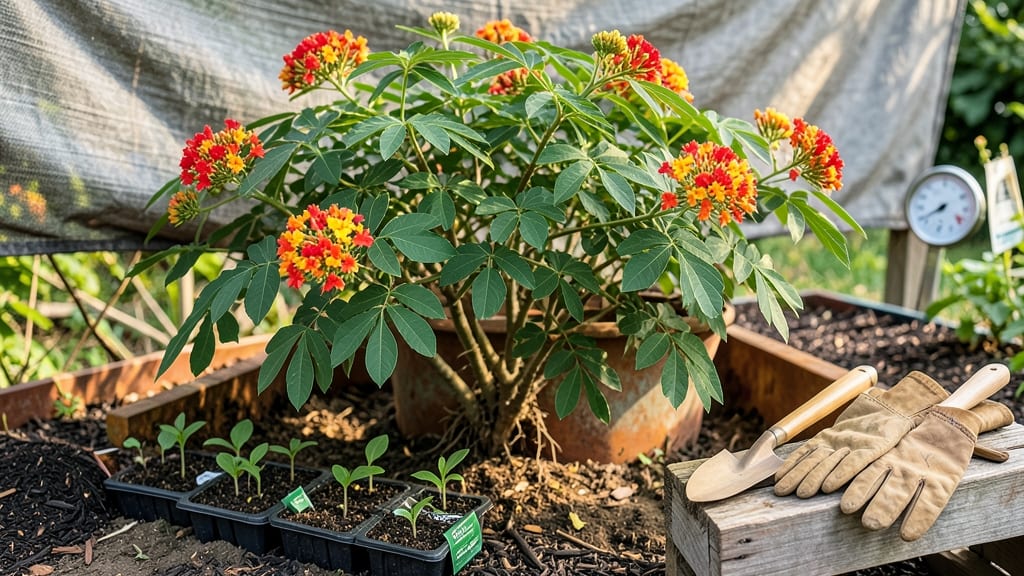
Planting Pride of Barbados seeds in Central Texas at the right time means fiery red blooms all summer — but miss the window, and you’ll end up with leggy, sad seedlings that never thrive.
Central Texas gardeners know the stakes: a single late frost or a heatwave can turn your dream of a vibrant border into a lesson in patience.
The key is planting when soil temps hit 65°F and staying ahead of the March 15 average frost date — but there’s a trick to beating the summer heat too.
This isn’t just about throwing seeds in the ground and hoping for the best. You’ll learn the exact months to sow for two blooming seasons, how to prep seeds for stubborn germination, and why a little shade cloth in June saves your plants from wilting before they even open.
From prepping your soil to protecting young plants from Texas’ unpredictable swings, this guide gives you the step-by-step timing and care routine that turns seeds into a year-round showstopper — no guesswork required.
Best planting months for Pride of Barbados in Central Texas (with frost Zone adjustments)
Central Texas gardeners love Pride of Barbados (Caesalpinia pulcherrima) for its vibrant red-orange blooms that light up summer gardens. But timing matters—plant too early, and frost zaps tender seedlings; too late, and summer heat stunts growth.
The perfect window depends on your USDA Zone 8a-9a location and soil warmth. Let’s break it down by month to ensure your seeds thrive.
In Central Texas, the ideal planting months split into two seasons: spring (February–April) and fall (August–September). Each offers unique advantages—spring for longer daylight blooms, fall for cooler germination.
The key? Soil temperature must reach 65°F+ for seeds to sprout reliably. Below that, germination stalls, and your $5 seed packet becomes a sad, soggy mess.
Here’s the month-by-month breakdown with frost risk and soil temp thresholds tailored to your region. Use this as your planting calendar to avoid common mistakes like overwatering in heat or transplanting too soon.
| Month | Soil Temp (°F) | Frost Risk | Best Planting Method | Notes |
|---|---|---|---|---|
| February | 55–65°F | Moderate (20% chance) | Indoor starts (6–8 weeks before last frost) | Start seeds indoors under grow lights; harden off before transplanting in March. |
| March | 65–75°F | Low (5% chance) | Direct sow or transplant seedlings | Wait until soil reaches 65°F; use black plastic mulch to warm soil faster. |
| April | 70–80°F | None | Direct sow or transplant | Peak month for spring blooms; space plants 18–24 inches apart. |
| August | 75–85°F | None | Direct sow or transplant | Best for fall blooms; water deeply to establish roots before cooler weather. |
| September | 70–80°F | Low (10% chance) | Direct sow or transplant | Last chance for fall germination; protect young plants with row covers if frost threatens. |
For spring planting, I recommend starting seeds indoors in February under grow lights to give them a head start. Central Texas’ last frost date hovers around March 15, but soil may not warm enough until late March.
Use a soil thermometer—if it’s below 65°F, wait. Cold soil = rotten seeds. Pro tip: Black plastic mulch raises soil temps by 5–10°F, speeding germination.
If you prefer fall planting, August–September is your sweet spot. The 90°F+ summer heat can stress seedlings, but by late August, temps drop enough for comfortable germination.
Plant in well-draining soil and water deeply to avoid root rot. Fall-blooming plants often last longer into winter if protected from hard freezes (below 25°F).
One common mistake I see? Planting in May or
How to extend the blooming season: pruning and staggered planting tips
Central Texas gardeners know that Pride of Barbados (Caesalpinia pulcherrima) can deliver bold red blooms for months—but only if you use smart strategies. The secret? Staggered planting and strategic pruning to keep your plants blooming from spring through fall.
With Central Texas' unpredictable freezes and scorching summers, these techniques ensure your Pride of Barbados stays vibrant year-round.
First, let’s tackle the staggered planting method. Planting seeds in two batches—once in early spring (March) and again in late summer (August)
The first batch blooms in summer/early fall, while the second batch takes over in late fall/winter, giving you a nonstop floral display. This works especially well in USDA Zone 8a, where winters are mild but can still surprise you. 🌺Here’s how to do it: Start your first batch indoors in February (6-8 weeks before last frost) for an early jumpstart. For the second batch, direct-sow in August after the worst summer heat has passed. This timing lets seedlings establish roots before winter sets in. Pruning is just as critical as planting timing. After your Pride of Barbados finishes its first bloom cycle, cut back 1/3 of the oldest stems to encourage new growth. This isn’t just about shaping—it’s about stimulating fresh blooms. Use clean, sharp shears to avoid damaging the plant, and always prune in the morning when the plant is hydrated. For Central Texas’ heat, prune in early spring or late fall to avoid stressing the plant during peak summer temperatures. Don’t forget deadheading—this is the easiest way to keep your Pride of Barbados flowering nonstop. Simply pinch or snip off spent blooms right at the base (where the flower meets the stem). This trick tells the plant to focus its energy on producing new buds instead of seed pods. I’ve seen gardeners extend their blooming season by 3-4 months just by deadheading weekly! For winter protection, Central Texas’ occasional freezes can catch even hardy plants off guard. If a 25°F freeze is forecasted, wrap young plants in burlap or frost cloth and add a layer of mulch around the base. Mature plants usually handle it fine, but seedlings and newly transplanted plants need extra love. In Zone 8a, this is rare but worth preparing for—especially if you’re growing the plant near a cold air pocket in your yard. With these strategies, your Pride of Barbados will bloom nearly year-round, turning your Central Texas garden into a vibrant red spectacle that neighbors will envy. The key is consistency: staggered planting, pruning, deadheading, and winter prep—all working together to outsmart Texas’ unpredictable climate. 🌿🌱 Numbered Highlights for Year-Round Blooms