
Plants
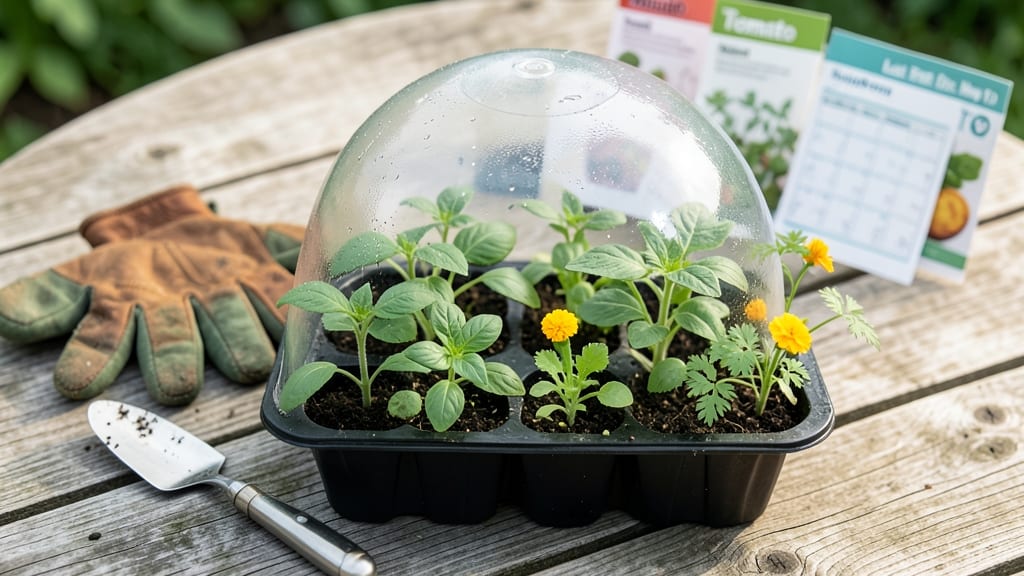
Planting seeds in Colorado at the right time means the difference between a bountiful harvest and a wasted season — and with USDA zones 3-7 across the state, timing varies wildly.
Colorado’s diverse climate—from high-altitude mountains to arid plains—means planting seeds at the wrong time can mean the difference between a thriving garden and wasted effort. Get your timing right with this zone-specific guide to maximize germination and harvest success.
Cool-season crops like spinach and peas need to go in the ground as early as March in Denver, while tomatoes and peppers can’t handle frost, so they wait until after May 15 in most areas.
Below, I break down the exact weeks to plant by zone, whether to start indoors or direct-sow, and how to adjust for Colorado’s unique microclimates—so you can finally grow what you’ve always wanted.
Colorado planting zones & their ideal seed starting times
Colorado’s USDA planting zones 3-7 create dramatic differences in seed starting times. Denver’s Zone 5 has earlier last frost dates than Grand Junction’s Zone 7, while high-altitude Boulder (Zone 6) faces unique microclimates. Understanding these zones helps you time seed sowing for optimal germination and harvest.
Most Colorado gardeners focus on cool-season crops like spinach and peas in early spring, while warm-season plants like tomatoes and peppers wait until after the last frost.
The key is calculating your average last frost date—typically April 15-May 15 for Front Range areas—and adjusting for your specific zone.
Here’s your zone-specific seed starting guide, including exact weeks for both indoor starts and direct sowing, with frost-free date calculations for Colorado’s most common growing areas:
For cool-season crops like lettuce, kale, and peas, start seeds 6-8 weeks before your last frost date. In Zone 5 Denver, that means February 25-March 15 for indoor starts, while Zone 7 Grand Junction can begin as early as February 15.
Direct sowing should happen 2-4 weeks before the last frost—April 1-April 20 for Denver.
Warm-season plants like tomatoes, peppers, and cucumbers need 60-90 days of warmth after transplanting. Start these indoors 8-10 weeks before your last frost. In Colorado Springs (Zone 6), that’s March 15-March
Best seeds to plant by month in Colorado’s climate
Colorado’s short growing season and high-altitude challenges demand precise planting timing. Whether you're in Denver’s USDA Zone 5 or Grand Junction’s Zone 7, knowing when to sow seeds ensures strong germination and bountiful harvests.
Here’s my month-by-month guide tailored to Colorado’s unique climate, including cool-season crops for early starts and heat-lovers for summer.
For high-elevation gardens (above 6,000 feet), adjust planting dates 2-3 weeks earlier than the averages below. Use row covers or cold frames to extend seasons. Always check your local last frost date—typically late May for the Front Range and early April in lower elevations like Pueblo.
Start cool-season crops indoors 6-8 weeks before transplanting outdoors.
🌱 Colorado Seed Planting Calendar
- March: Start spinach, peas, and lettuce indoors. Direct-sow onion sets and potatoes in protected beds.
- April: Plant radishes, carrots, and kale outdoors after soil warms to 40°F. Begin tomato and pepper seeds indoors.
- May: Transplant cool-season crops (like broccoli) and sow beans, cucumbers, and squash after last frost.
- June: Direct-sow heat-tolerant greens (e.g., malabar spinach) and succession plant lettuce every 2 weeks.
- July: Focus on fall crops: plant beets, turnips, and Brussels sprouts for late harvests.
- August: Sow microgreens and fast-maturing radishes for early fall harvests.
- September: Plant garlic and hardy herbs (like parsley) for next year’s growth.
Colorado’s dry climate means mulching is critical—use straw or wood chips to retain moisture for root crops like beets and carrots.
In Zone 6-7 areas (e.g., Colorado Springs), you can push warm-season crops like tomatoes into late July plantings, but protect them from hail with cloches or row covers.
Don’t overlook herbs like cilantro and dill—they thrive in Colorado’s cool springs and fall shoulders. Sow them in April and September for continuous harvests. For flowers, calendulas and nasturtiums are excellent pollinator magnets and can be direct-sown in May and June.
If you’re in high-desert regions (e.g., Fort Collins), prioritize drought-tolerant seeds like Swiss chard or amaranth. These handle Colorado’s low humidity and intense sun better than traditional varieties. Always water deeply at the base of plants in the morning to prevent fungal diseases.
Pro tip: Use succession planting for leafy greens every 2 weeks from April to August. This ensures a steady harvest even with Colorado’s unpredictable weather. For root crops, loosen soil with a broadfork to improve drainage—critical in clay-heavy soils common in the Front Range.