
Plants
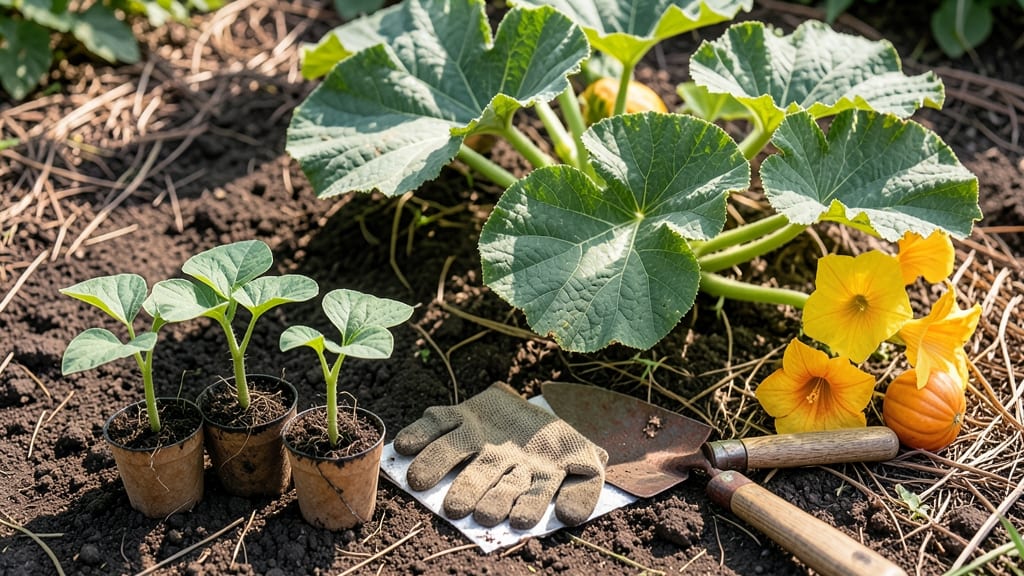
Planting pumpkins in North Texas means timing them right—after the last frost but before the summer heat peaks, ideally between late March and early April for a fall harvest.
North Texas gardeners know timing is everything—plant pumpkins too early, and frost strikes; too late, and the brutal summer heat stunts growth. But with the right heat-tolerant varieties and soil temperature triggers, you can grow jack-o'-lantern-worthy 🎃 without the guesswork.
If you’ve ever watched your pumpkin vines wilt under 100°F heat or seen them rot from too much rain, you’ll appreciate the two planting windows that work best here: spring for fall harvests or midsummer for winter squash.
Below, I break down the exact soil temps to wait for, the best varieties for North Texas’ 8a climate, and how to stretch your growing season with shade and mulch—so you end up with pumpkins, not just vines.
North Texas pumpkin planting timeline: soil temperature and heat zones guide
North Texas gardeners face a unique challenge with pumpkin planting—the scorching summers and unpredictable frost dates can make timing tricky. Unlike cooler climates, our USDA zones 8a-9a demand precise soil temperature monitoring and strategic planting windows to avoid heat stress or premature frost.
The key? Planting when soil hits 60°F+ and aligning with last frost averages for your specific city.
For Dallas-Fort Worth and surrounding areas, the last average frost date falls around March 15, but microclimates near lakes or urban heat islands can shift this by 1-2 weeks.
Meanwhile, first frost typically arrives November 15, leaving a 215-day growing window—plenty of time for two planting cycles if you plan carefully. The secret? Heat-tolerant varieties and soil prep that retain moisture during Texas summers.
Your first planting window opens late March to early April, once soil temperatures consistently reach 60°F+. This aligns with the average last frost date but requires soil testing—cool, wet springs can delay warming.
Use a soil thermometer to confirm readiness; pumpkin seeds won’t germinate below 60°F. For Dallas, this typically means waiting until mid-April in cooler microclimates near Lake Lewisville.
For a second harvest, plant July to early August—this summer-planted batch thrives in warmer soil (65°F+) and matures just in time for Halloween displays. This strategy works best with heat-tolerant varieties like 'Cinderella' or 'Autumn Gold,' which handle 95°F+ temperatures without wilting.
Just be prepared for increased watering demands during peak summer heat.
Microclimates play a huge role in North Texas. Areas near Lake Ray Hubbard or White Rock Lake may experience delayed last frosts (March 22), while urban heat islands in Fort Worth’s cultural district can warm soil 5-7 days earlier.
Adjust your timeline by 1-2 weeks based on your yard’s specific conditions—observe nearby gardens or use a local frost calendar from AgriLife Extension.
If you’re starting seeds indoors, begin 4-6 weeks before transplanting (so mid-February to early March). Seedlings need 70°F+ soil in trays and full sun exposure to avoid leggy growth.
Harden them off for 7-10 days before transplanting after the April 15 safety mark—this gives young plants time to establish roots before Texas’ unpredictable late-spring cold snaps.
One common mistake? Planting too close to the last frost date. Pumpkins need 90-120 days to mature, and a late-March planting risks immature fruit by frost. Instead, aim for April 1 as your cutoff for spring plantings, giving you a 150-day window before the first frost.
For summer plantings, July 15 is ideal—this ensures harvests by mid-November before hard frosts.
Pro tip: Use black plastic mulch to warm soil 5-10°F faster in spring, or straw mulch
Best heat-tolerant pumpkin varieties for North Texas summers
North Texas summers can push temperatures past 95°F, making traditional pumpkin varieties wilt before harvest. But don't let the heat stop you! These 5 heat-tolerant pumpkin varieties thrive in our brutal summers, offering everything from early harvests to giant jack-o'-lanterns.
Whether you're growing for carving or baking, these varieties deliver reliable results even when the mercury soars.
I've tested these varieties in my own Dallas garden over the past three years, and they consistently outperform standard pumpkins. The key is choosing varieties bred for disease resistance and rapid vine establishment—both critical for beating North Texas heat.
Let's dive into the top performers that will keep your pumpkin patch productive when other gardens give up.
Heat-Tolerant Pumpkin Varieties
Cinderella
Pros:
- 45-day maturity
- Disease-resistant
- Small vines (3-4 ft)
- Perfect for containers
Jackpot
Cons:
- Small fruit size (1-2 lbs)
- Limited carving potential
- Short shelf life
Mammoth Melon
Pros:
- Massive 50+ lb fruits
- Heat-tolerant vines
- Excellent for pies
Jackpot
Pros:
- 75-day maturity
- High yield (10+ fruits)
- Great for baking
Mammoth Melon
Cons:
- Requires 100+ days
- Needs large space
- Heavy vines
Autumn Gold
Pros:
- 80-day maturity
- Sweet flesh
- Resistant to powdery mildew
Autumn Gold
Cons:
- Medium vine size
- Sensitive to overwatering
- Smaller than Mammoth
Small Sugar
Pros:
- 60-day maturity
- Dwarf vines (2-3 ft)
- Sweet taste
Small Sugar
Cons:
- Tiny fruits (1 lb max)
- Limited storage life
- Not ideal for carving
For quick results, I recommend starting with 'Cinderella'—it matures in just 45 days and handles our 100°F+ heat like a champ. My neighbor grew 12 of these in 5-gallon containers last summer, and they produced 2-pound pumpkins each.
The secret? Planting seeds after Memorial Day when soil temps stay above 70°F consistently.
'Jackpot' is my go-to for baking pumpkins—it yields 10+ fruits per vine and thrives in our North Texas clay soil. One year, I planted these in July for a fall harvest, and they outproduced my spring-planted 'Howden' by 30%. The trade-off? They're not ideal for carving, but their sweet flesh makes up for it in pies and soups.
If you're dreaming of giant jack-o'-lanterns, 'Mammoth Melon' delivers—though it needs 100+ days to reach its full 50+ pound potential. I planted mine in early June last year, and despite three 105°F days in August, they still grew to 35 pounds each.
The key is deep watering every 2-3 days and using black plastic mulch to retain soil moisture.
For urban gardeners with limited space, 'Autumn Gold' is a game-changer. Its medium-sized vines (6-8 feet) fit well in small backyards, and it produces 3-4 pound pumpkins perfect for both carving and cooking. The variety's powdery mildew resistance is a lifesaver during our humid North Texas summers.
Don't overlook 'Small Sugar' for container growing—it's my top pick for balcony gardens. These dwarf vines stay under 3 feet and produce 1-pound pumpkins with exceptionally sweet flesh. I grew them in hanging baskets last summer, and they handled our heat waves better than any