
Plants
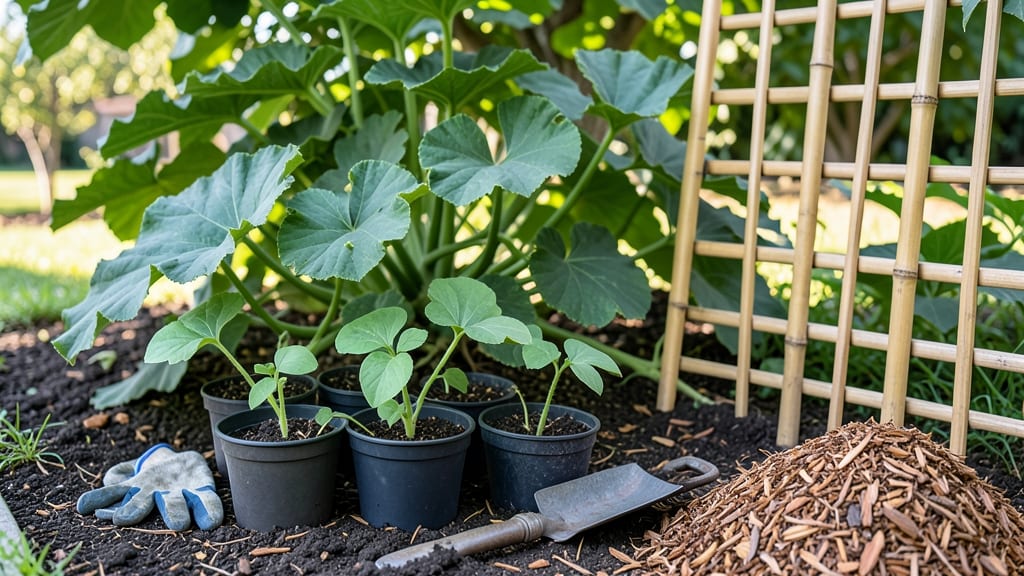
Planting pumpkin seeds in Georgia at the right time means the difference between a thriving vine and a wilted disappointment—and with USDA Zone 8’s long growing season, timing is everything.
Georgia’s warm climate and long growing season make it an ideal place for pumpkin cultivation—but timing is everything to avoid frost damage or stunted growth. Plant too early, and your vines will struggle; too late, and you’ll miss the sweet spot for a bountiful harvest.
Most gardeners here swear by late March to early May for early varieties, but if you’re aiming for a fall harvest, late June to early July is your backup window. The key? Wait until soil temperatures hit 60°F—any cooler, and your seeds just won’t sprout.
Below, I break down the exact planting windows, soil prep tricks to beat Georgia’s heat, and the top varieties that thrive in Zone 8—so you can go from seed to harvest like a pro.
Best planting windows for Georgia pumpkin seeds by month (USDA Zone 8)
Georgia’s USDA Zone 8 climate offers two ideal windows for planting pumpkin seeds: early spring and late summer. The key is aligning your planting with soil temperatures and frost dates to maximize vine growth and fruit development.
Early spring plantings give you a summer harvest, while late summer plantings yield fall pumpkins just before frost.
Pumpkins thrive when soil temperatures stay above 60°F consistently. In Georgia, this typically means waiting until mid-April to early May for spring plantings. For fall harvests, late June to early July plantings work best, allowing vines to mature before the first frost in mid-November.
Let’s break down the exact timing and backup options for each window.
| Planting Window | Best Month | Soil Temp Requirement | Backup Window | Harvest Month |
|---|---|---|---|---|
| Early Spring | Mid-April to Early May | 60°F+ (consistent) | Late May (if soil warms) | Late August to October |
| Late Summer | Late June to Early July | 60°F+ (consistent) | Early August (if delayed) | October to Early November |
For spring plantings, start seeds indoors 4-6 weeks before your last frost date (around mid-March in Georgia). This gives seedlings a head start before transplanting outdoors. Harden off seedlings for 7-10 days before moving them to the garden once nighttime temperatures stay above 50°F.
Use black plastic mulch to warm the soil faster and deter weeds.
If you miss the spring window, don’t worry—Georgia’s heat allows for a second planting in late summer. Plant seeds directly in the garden in late June or early July for a fall harvest.
Choose shorter-season varieties like ‘Jack Be Little’ or ‘Small Sugar’ to ensure they mature before frost. These varieties typically take 75-90 days to harvest, fitting perfectly into Georgia’s 210-240 frost-free days.
Always monitor weather forecasts for unexpected cold snaps. If frost threatens before your pumpkins mature, cover them with frost cloth or move potted plants to a sheltered area.
In my garden, I’ve used row covers to extend the season by 2-3 weeks, giving late plantings a fighting chance against early frost.
Pro tip: Test your soil temperature with a soil thermometer before planting. Pumpkin seeds won’t germinate well in cold soil, even if air temperatures are warm. Aim for 60-90°F for best results.
If your soil is still cool in spring, consider using biodegradable seed starters to create a warmer microclimate around each seed.
Watering is critical after planting. Keep soil consistently moist (not soggy) until seeds germinate, which typically takes 5-10 days at optimal temperatures. Once seedlings emerge, reduce watering slightly to prevent damping off, a fungal disease that attacks young plants.
Mulch around vines with straw or grass clippings to retain moisture and suppress weeds.
For gardeners in northern Georgia (Zone 7b), err on the side of later plantings to avoid early spring frosts. In southern Georgia (Zone 8b), you can push the envelope with early April plantings if you’re willing to take the risk.
I’ve found that bush varieties like ‘Waltham Butternut’ tolerate cooler soils better than vining types, making them a safer bet for early starts.
Remember, pumpkins need space—plan for 50-100 square feet per vine depending on the variety. In small gardens, opt for compact varieties like ‘Baby Boo’ or ‘Cinderella’, which thrive in containers or raised beds with proper support.
These varieties also mature faster, giving you a harvest in as little as 75 days.
By following these Georgia-specific planting windows, you’ll avoid the common pitfalls of frost damage or stunted growth while maximizing your pumpkin yield. Happy planting—your future jack-o’-lanterns will thank you! 🎃
How to extend pumpkin growing season in Georgia’s heat and humidity
Georgia’s summer heat and humidity can challenge pumpkin growers, but with the right strategies, you can extend your growing season and protect your vines from stress. The key lies in soil preparation, smart watering, and pest management tailored to our climate.
By addressing these factors early, you’ll give your pumpkins the best chance to thrive even when temperatures soar.
One of the first steps is improving soil drainage to prevent root rot—a common issue in Georgia’s wet summers. Amend your soil with compost and coarse sand to create a well-aerated growing medium.
This helps roots breathe and reduces the risk of fungal diseases that thrive in stagnant, humid conditions. Think of it as giving your pumpkins a dry, happy home where they won’t suffocate.
⚠️ WARNING: Avoid Overwatering in Heat
Georgia’s heat increases evaporation rates by up to 30%. Overwatering can drown roots and attract pests like squash bugs. Instead, water deeply 2-3 times per week in the early morning to reduce fungal risks. Use drip irrigation to deliver water directly to roots, minimizing leaf wetness that fuels diseases like powdery mildew.
To combat humidity-related diseases, mulch heavily with straw or black plastic. Mulch keeps soil temperatures stable and reduces splashing that spreads pathogens. Pair this with companion planting—try marigolds or nasturtiums near your pumpkins to repel pests naturally.
These flowers also attract pollinators, ensuring better fruit set even in Georgia’s sticky summers.
Pests like cucumber beetles and squash vine borers thrive in Georgia’s heat. Monitor vines weekly and use row covers during early growth stages. For organic control, apply neem oil or kaolin clay as a protective barrier. Timing is critical: treat preventatively in June and July when pests are most active.
For late-season extensions, consider shade cloth (30-50%) over vines during peak afternoon heat. This reduces stress without eliminating sunlight. Pair this with balanced fertilization—use a 10-10-10 NPK mix every 4-6 weeks to support vine vigor.
Avoid heavy nitrogen late in the season, as it encourages leafy growth over fruit production.
Finally, harvest promptly when pumpkins reach maturity. Georgia’s first frost typically arrives in mid-November, so aim to harvest by early October for the best yields. Store pumpkins in a cool, dry place (50-55°F) to extend their shelf life through winter holidays.
With these strategies, you’ll beat the heat and humidity to enjoy homegrown pumpkins all season long. 🎃