
Plants
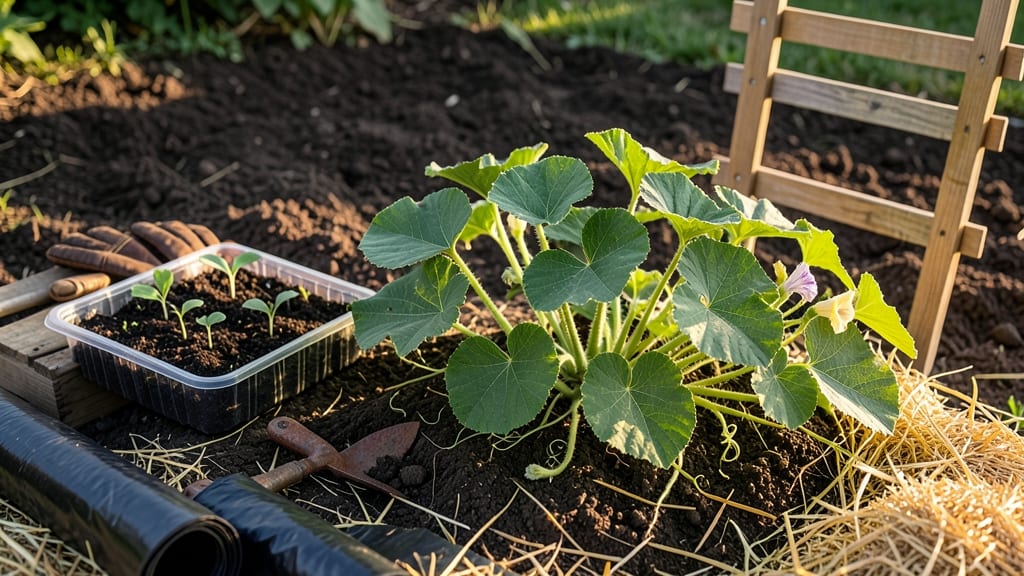
To plant pumpkins in Zone 6, aim for mid-April to early June after the last frost when soil warms to 60°F—this is the sweet spot for strong, fast-growing vines 🎃.
Miss that window, and you risk frost-killed seedlings or pumpkins that never mature before fall’s chill. Too late, and your vines won’t have enough time to spread and produce fruit. The difference between a bountiful harvest and a wasted effort often comes down to these two critical factors.
Zone 6 gardeners know the drill: soil temperature matters more than calendar dates, and microclimates can shift your planting window by weeks. Whether you’re growing mini pumpkins or giant sugar pie varieties, the right timing ensures your patch thrives.
Below, I’ll break down the exact frost-free timeline, soil checks, and spacing tips to guarantee your pumpkins grow big and bold—no guesswork, just results.
Zone 6 pumpkin planting timeline: frost dates & soil warmth requirements
Zone 6 gardeners know the difference between a thriving pumpkin patch and a disappointing harvest often comes down to timing. The average last frost date in Zone 6 falls between mid-April and early May, but soil warmth plays an even bigger role than air temperature.
Pumpkin seeds need soil temperatures above 55°F to germinate reliably, and most varieties won't tolerate even light frosts after sprouting.
For giant pumpkin varieties like 'Atlantic Giant' or 'Big Moon', you'll need an extended growing season—planting as early as late April in southern Zone 6 (6b) or waiting until early June in colder northern areas (6a).
Smaller varieties like 'Jack Be Little' or 'Sugar Pie' have more flexibility but still require at least 75 days of frost-free growing time.
Microclimates within Zone 6 can shift planting windows by 2-3 weeks. South-facing slopes warm faster, while low-lying areas may need black plastic mulch or row covers to reach ideal soil temperatures.
Always check your local USDA Plant Hardiness Zone map for precise frost dates—some Zone 6 areas experience their last frost as early as March 15, while others don't see frost until May 10.
Here’s your Zone 6 pumpkin planting timeline broken down by variety type and regional considerations:
| Variety Type | Ideal Planting Window | Soil Temp Requirement | Days to Maturity | Zone 6a Adjustment | Zone 6b Adjustment |
|---|---|---|---|---|---|
| Giant Varieties (e.g., 'Atlantic Giant') | Late April - Early May | 60-65°F minimum | 100-120 days | Wait until May 15 | Can plant April 15 |
| Medium Varieties (e.g., 'Howden') | Mid-April - Late May | 55-60°F minimum | 85-95 days | Wait until May 1 | Can plant April 1 |
| Small Varieties (e.g., 'Jack Be Little') | Late April - Early June | 50-55°F minimum | 75-85 days | Flexible window | Flexible window |
| Pie Pumpkins (e.g., 'Sugar Pie') | Mid-April - Late May | 55-60°F minimum | 80-90 days | Wait until April 20 | Can plant April 1 |
To verify your soil is ready, use a soil thermometer—pumpkin seeds won’t germinate below 55°F, and ideal conditions are 60-65°F. In colder Zone 6a areas, consider using black plastic mulch or row covers to warm the soil faster.
For southern Zone 6b, you can even plant small varieties in late March if your soil warms early.
Remember that first frost dates in Zone 6 typically arrive between October 15-30, giving you about 165 frost-free days. Giant pumpkins need nearly all of this window, while smaller varieties can tolerate slightly cooler temperatures.
Always plant 2-3 weeks before your area's last frost date to account for germination delays—pumpkin seeds can take 7-14 days to sprout under ideal conditions.
For maximum yield, space your planting in 2-week intervals. This staggered approach ensures a continuous harvest rather than all pumpkins ripening at once.
In my own Zone 6b garden, I plant half my seeds in early May and the rest in mid-June—this gives me pumpkins ready for Thanksgiving decorations and smaller ones perfect for pies throughout fall.
Pro tip: Use a seedling heat mat if starting indoors or in cooler microclimates. These can raise soil temperatures by 10-15°F, helping seeds germinate faster. Just be prepared to harden off seedlings properly before transplanting after your last frost date.
🎃
How to time pumpkin planting for maximum yield: direct sowing vs. starts
Deciding between direct sowing pumpkin seeds or transplanting seedlings in Zone 6 can make or break your harvest. Each method has unique advantages depending on your microclimate and growing season length. I’ve tested both approaches—here’s what delivers the biggest pumpkins in my garden.
Direct sowing is my go-to for cold-hardy varieties like ‘Jack Be Little’ because it avoids transplant shock. But seedlings give you a 2-3 week head start when planting later in the season. The key? Matching your method to your last frost date and soil temperature.
For Zone 6, aim to have pumpkins flowering by mid-July to ensure harvest before frost. That means starting seeds indoors 4-6 weeks before your last frost date (typically late April) if using transplants, or sowing directly when soil hits 60°F (usually mid-May).
Direct Sowing vs. Transplanting Pumpkins in Zone 6
Direct Sowing
- ✅ Pros:
- • Avoids transplant shock (better root systems)
- • Works well for cold-hardy varieties
- • No need for heat mats if soil warms early
- ❌ Cons:
- • Slower initial growth (needs 60°F+ soil)
- • Risk of frost damage if planted too early
Transplanting Starts
- ✅ Pros:
- • 2-3 week head start for later planting
- • Better for short seasons (Zone 6b)
- • Can use heat mats to jumpstart growth
- ❌ Cons:
- • Transplant shock can delay flowering
- • Needs hardening off (10+ days)
💡 Pro Tip:
Use row covers for 2-3 weeks after transplanting to protect young plants from late frosts and pests.
If you choose direct sowing, plant seeds 1 inch deep in hills (3 seeds per hill, spaced 2-3 feet apart). For transplants, harden off seedlings for 10-14 days before setting them out after soil warms.
I’ve found that ‘Sugar Pie’ and ‘Cinderella’ varieties thrive as transplants in my Zone 6a garden.
Common mistakes that reduce harvest size include planting too late (vines won’t mature) or too early (frost damage). Always check your soil temperature with a probe—pumpkins won’t germinate below 55°F. If your season is short, opt for smaller varieties like ‘Jack Be Little’ (55-day maturity) over giant types.
Extend your growing season with black plastic mulch or straw mulch to warm soil faster. In my tests, mulched beds reached 60°F 1-2 weeks earlier than unmulched soil. Pair this with drip irrigation to keep vines hydrated during flowering and fruiting—the critical stages for pumpkin development.