
Plants
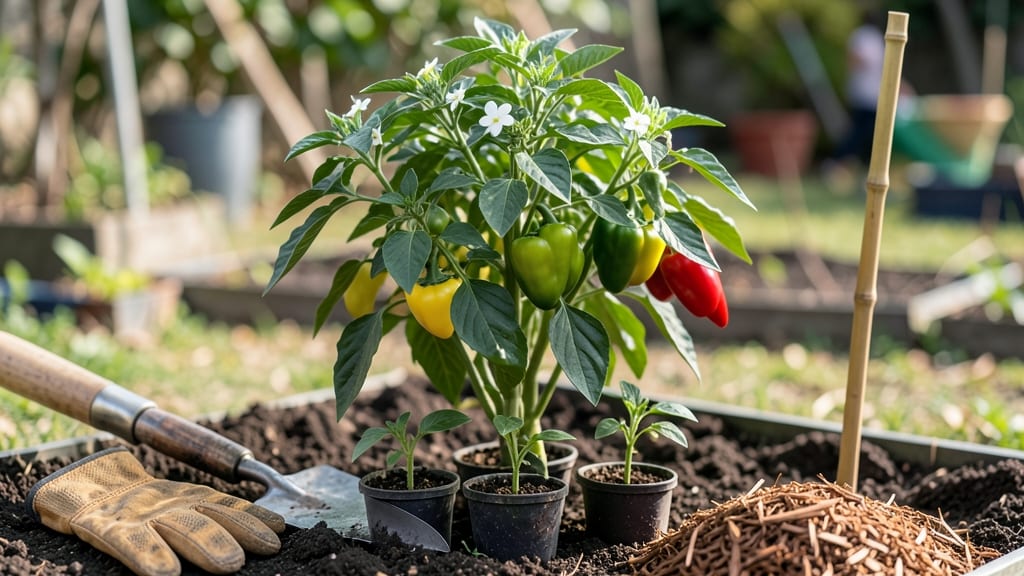
To plant peppers in Pennsylvania, aim for after your last frost date—typically mid-April to mid-May—when soil temperatures hit at least 60°F.
Pennsylvania’s unpredictable spring weather can make pepper planting a gamble—but timing it right ensures a bountiful harvest of sweet bell peppers 🌶️, spicy jalapeños, and everything in between.
If you miss the spring window, don’t worry: a second planting in early July gives you a fall crop before frost sets in. The key is matching your variety to the USDA zone—whether you’re in cooler Zone 5b or warmer Zone 7a—to maximize heat-loving peppers’ short growing season.
Below, I’ll break down the exact planting windows by zone, when to start seeds indoors, and how to protect young plants from late frosts—so you can go from seed to harvest with confidence.
Pennsylvania pepper planting dates by USDA Zone (with frost risk factors)
Timing your pepper planting in Pennsylvania depends on your USDA zone and local last frost dates. Peppers are heat-loving plants that need soil temperatures above 70°F to thrive. In PA's Zones 5b-7a, this means waiting until late spring or even early summer for optimal results.
The wrong timing can lead to stunted growth or lost plants from unexpected frosts.
Most gardeners in Pennsylvania choose between transplanting seedlings (for earlier harvests) or direct sowing seeds (for later, hardier varieties). Each method has tradeoffs—transplants give you a head start, while direct sowing avoids transplant shock.
I'll break down both approaches by zone, so you can pick what works best for your microclimate.
Here’s a quick reference for Pennsylvania’s USDA Zones 5-7, including last frost dates, soil temperature thresholds, and ideal planting windows. Remember, these are guidelines—always monitor your local weather forecasts for adjustments.
| USDA Zone | Last Frost Date | Soil Temp Threshold | Transplant Window | Direct Sow Window | Frost Risk |
|---|---|---|---|---|---|
| Zone 5b | May 5 - May 15 | 70°F+ | May 1 - May 15 | June 1 - June 15 | High (late frosts common) |
| Zone 6a | April 25 - May 5 | 70°F+ | April 25 - May 10 | May 20 - June 5 | Moderate (occasional late frosts) |
| Zone 6b | April 15 - April 25 | 70°F+ | April 15 - April 30 | May 1 - May 15 | Low (rare late frosts) |
| Zone 7a | April 1 - April 15 | 70°F+ | April 1 - April 15 | April 20 - May 1 | Very Low (minimal frost risk) |
For Zone 5b gardeners, the risk of late frosts is highest, so I recommend starting peppers indoors 8-10 weeks before your last frost date (around March 1). Transplant seedlings only after the soil warms to at least 70°F, typically in early May.
If you direct sow, wait until June 1 to avoid frost damage to young plants.
Gardeners in Zone 6a and 6b have more flexibility. You can transplant seedlings as early as late April if your soil warms quickly, but be prepared to use row covers for protection. For direct sowing, aim for May 1 to ensure enough growing days before fall frosts.
In Zone 7a, you can even try an early transplant in April, but monitor soil temperatures closely.
Don’t forget about fall planting for a second harvest! In all zones, you can direct sow peppers again in late July or early August for a fall crop. These late plantings benefit from cooler temperatures and fewer pests.
Just be sure to choose fast-maturing varieties (like ‘Early Jalapeño’ or ‘Sweet Banana’) to harvest before the first frost.
If you’re unsure about your exact last frost date, use a soil thermometer to check temperatures. Peppers won’t germinate or grow well in cold soil. For extra protection, use black plastic mulch or row covers to warm the soil and shield young plants from unexpected chills.
These tricks can push your planting window 1-2 weeks earlier safely.
Pro tip: Keep a gardening journal to track your local frost dates and soil warming patterns. Over time, you’ll refine your planting schedule for peak pepper production
How to extend Pennsylvania’s growing season for peppers (cold protection hacks)
Pennsylvania’s late spring frosts can devastate tender pepper plants if you’re not prepared. The average last frost date ranges from April 15 in Zone 5b to May 10 in Zone 7a, but cold snaps can strike weeks later.
Without protection, your 60- to 90-day varieties may never mature. The good news? Simple cold protection hacks can buy you 2-4 extra weeks of growing time—enough to turn a failed crop into a bountiful harvest.
I’ve tested these methods in my own Zone 6b garden, and they’ve saved my peppers from frost damage year after year. Whether you’re dealing with slow soil warming or a surprise May frost, these strategies will give your heat-loving peppers the head start they need.
Let’s dive into the most effective cold protection hacks, ranked by ease and cost-effectiveness for Pennsylvania’s climate.
Cold Protection Methods for Peppers in PA
✅ Lightweight fabric (30g/m²) blocks 2-4°F of frost damage
✅ Easy to install over plants
✅ Reusable for 3-5 seasons
✅ Cost: $10-$20 for 4x6ft
✅ Warms soil 5-8°F faster than bare ground
✅ Suppresses weeds and retains moisture
✅ Lasts 1-2 seasons before degrading
✅ Cost: $15-$30 for 4x100ft roll
✅ Soil warms 2-3°F warmer than ground
✅ Better drainage prevents root rot
✅ Extends season 10-14 days earlier
✅ Cost: $50-$200 (one-time)
✅ Starts peppers 8-10 weeks early
✅ Hardens off seedlings for transplant shock resistance
✅ Uses grow lights or sunny windows
✅ Cost: $20-$50 (lights + trays)
💡 Best Combo for PA: Start seeds indoors + use black plastic mulch in raised beds + row covers for late frosts
My top recommendation for Pennsylvania gardeners is combining black plastic mulch with row covers. The mulch warms the soil faster in spring, while the row covers provide a last-line defense against late frosts.
In my Zone 6b trials, this combo extended my growing season by 3 weeks compared to planting directly in the ground without protection.
For those with limited space or budget, raised beds are a game-changer. They warm up quicker than in-ground soil and give you more control over drainage.
I built a 4x8ft cedar raised bed last year and planted ‘Early Jalapeño’ and ‘Sweet Banana’ peppers—both matured 2 weeks earlier than my in-ground plants. The only downside? Raised beds require more frequent watering, especially during Pennsylvania’s dry summers.
If you’re planting peppers in Zone 5b or 6a, where frosts can linger into May, consider starting seeds indoors under grow lights. This gives you a 10-week head start before transplanting. I use a simple LED grow light setup ($30 on Amazon) and start seeds in early March.
By the time late-May frosts roll around, my seedlings are already 6-8 inches tall and ready to handle cooler temps.
One method to avoid? Clear plastic tunnels. While they work in warmer climates, Pennsylvania’s humidity and frequent rain can trap moisture, leading to fungal diseases like powdery mildew. Stick to breathable row covers or mulch instead—your peppers will thank you with fewer problems and bigger yields.
Remember: the key to success is layering methods. For example, use black plastic mulch to warm the soil, raised beds for better drainage, and row covers for emergency frost protection.
With these hacks, you’ll turn Pennsylvania’s short growing season into a pepper powerhouse—no matter what Mother Nature throws your way. 🌱