
Plants
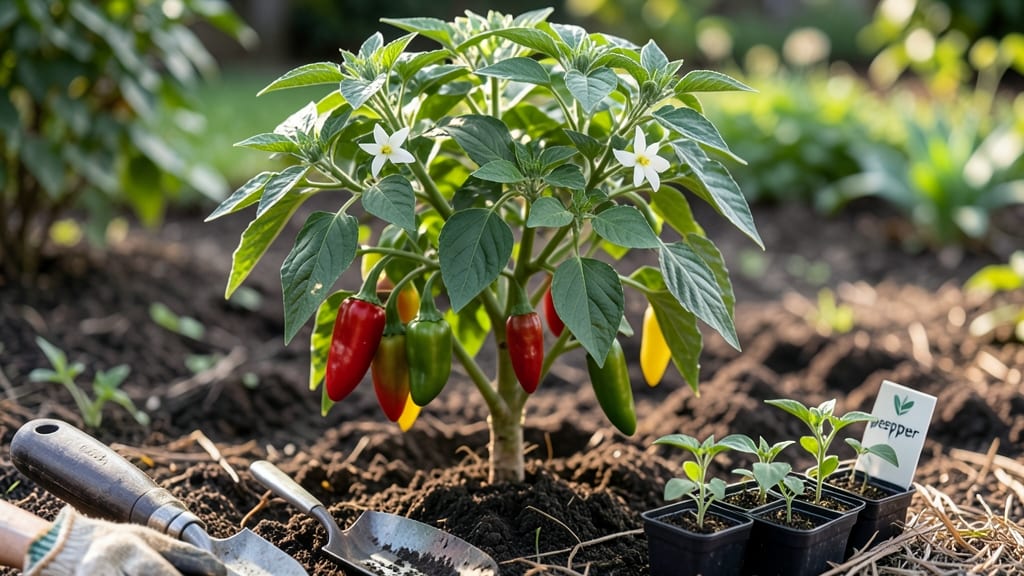
Planting peppers in Illinois after the last frost—around April 15—sets the stage for a thriving harvest of 🌶️ bell peppers, jalapeños, and more.
Timing is everything when growing peppers in Illinois—plant too early, and frost will kill your seedlings; too late, and your harvest suffers. Mastering the exact planting window for Zone 5 and 6 varieties ensures a bountiful crop of sweet bell peppers, jalapeños, and more.
In Illinois, where USDA Zones 5b-6b dictate your growing season, the difference between a 60-day harvest and a 120-day wait often comes down to when you put those seedlings in the ground.
Whether you're starting indoors in March or transplanting after the last frost, getting the timing right means the difference between a few peppers and a garden full.
Below, I break down the exact dates by zone, soil temperature secrets, and how to stretch your season with cold frames—so you can enjoy fresh peppers from July through October without the guesswork.
Illinois pepper planting dates by Zone 5/6: exact timing for success
Peppers thrive in Illinois' warm summers, but getting them in the ground at the right time is key to avoiding frost damage and maximizing yield. Zone 5 and Zone 6 gardeners must account for last frost dates and soil temperature thresholds—typically 60°F (15°C)—to ensure healthy growth.
In Zone 5, where frost lingers longer, timing is even more critical than in Zone 6.
For most Illinois gardeners, the ideal window for transplanting pepper seedlings is mid-April to mid-May, but this varies by microclimate. Direct sowing can begin slightly later, around late May, once soil temperatures consistently stay above 65°F (18°C).
Early starts indoors (8-10 weeks before last frost) give you a head start, especially for slow-maturing varieties like jalapeños or bell peppers.
Pro Tip: Use a soil thermometer to confirm readiness—peppers won’t germinate or thrive in cold soil. In Zone 5, wait until May 1 or later for transplanting, while Zone 6 gardeners can start as early as mid-April in sheltered areas. Adjust for microclimates, like urban heat islands or south-facing slopes, which may allow earlier planting.
If you’re starting peppers indoors, begin seeds 8–10 weeks before your last frost date. For Zone 5, this means mid-February to early March, while Zone 6 gardeners can start as early as late January.
Use grow lights to provide 12–14 hours of light daily until seedlings are hardened off. Hardening off—acclimating seedlings to outdoor conditions—should begin 1–2 weeks before transplanting to reduce transplant shock.
Variety Matters: Fast-maturing varieties (e.g., Early California Wonder bell peppers) can tolerate later starts, while heirloom or hot peppers (e.g., Carolina Reaper) need earlier planting. In Zone 5, prioritize varieties with 60–75 days to maturity to ensure harvests before first frost (typically October 15). In Zone 6, you can push the envelope with 90-day varieties like Anaheim chiles.
For gardeners eager to extend the season, consider staggered planting. Sow a second batch of seeds or transplant additional seedlings 2–3 weeks after your first planting. This ensures a continuous harvest from July through September, even in shorter Illinois summers.
Pair this with row covers or cold frames to protect late-season plants from unexpected early frosts.
Monitor local weather patterns closely, as late springs (common in Illinois) can delay planting by 1–2 weeks. Use frost-free date maps from the Midwest Regional Climate Center to refine your timing.
In northern Illinois (Zone 5), err on the side of caution—wait until May 1 or later—while southern Illinois (Zone 6) gardeners can plant 2 weeks earlier in favorable microclimates.
Once planted, maintain consistent moisture and mulch heavily to keep soil temperatures stable. Peppers are heat-loving but frost-sensitive, so avoid planting in low-lying areas where cold air pools. If your area experiences unpredictable frosts, opt for early-maturing varieties or use black plastic mulch to warm the soil faster.
Remember, soil temperature is more critical than air temperature. Even if daytime highs reach 70°F (21°C), soil may still be too cold for pepper roots. Use a soil thermometer to confirm readiness—this simple tool can save your seedlings from stunted growth or failure to thrive.
With precise timing and attention to soil conditions, you’ll enjoy a bountiful pepper harvest in Illinois’ short but sweet growing season. 🌱
How to extend your pepper growing season in Illinois: cold frames, row covers, and staggered planting
Illinois’ short growing season can make pepper gardening challenging, but with the right strategies, you can push your harvest dates earlier or later. By using cold frames, row covers, and staggered planting, you’ll protect tender seedlings and maximize your yield before the first frost hits in October.
Peppers thrive in warm soil and air, but Illinois’ unpredictable spring and early fall can cut your season short. The key is to extend the growing window while avoiding common pitfalls like blossom-end rot or stunted growth from cold stress.
Let’s explore the best methods to keep your peppers productive longer.
- Start with cold-hardy varieties: Choose early-maturing peppers like 'Early Jalapeño' (60 days) or 'Sweet Banana' (65 days) to give your plants a head start. These varieties tolerate cooler temperatures better than traditional types.
- Use cold frames for early starts: Build or buy a cold frame to plant peppers 4-6 weeks before your last frost date. The frame traps heat, allowing you to start seedlings outdoors as early as mid-April in Zone 6.
- Deploy row covers for late-season protection: After transplanting, cover your pepper plants with floating row covers to shield them from light frosts (down to 28°F). Remove covers during the day to prevent overheating.
- Stagger planting in 2-week intervals: Plant three batches of peppers 2 weeks apart (e.g., May 1, May 15, May 30). This ensures a continuous harvest from July through October.
- Harvest green peppers for extended storage: If frost threatens, pick unripe peppers and store them in a cool, dark place. They’ll ripen indoors, giving you extra time to enjoy your crop.
For Zone 5 gardeners, focus on cold frames and row covers to create a microclimate that mimics summer conditions. In Zone 6, you can experiment with staggered planting and late-season row covers to push your harvest into early October.
Always monitor soil temperatures—peppers need at least 60°F (15°C) to thrive.
Another trick is to mulch heavily with straw or black plastic to retain soil warmth. This simple step can delay the need for protective covers by 1-2 weeks, giving your plants extra time to mature.
Pair this with drip irrigation to keep roots consistently moist without wetting the foliage, which reduces disease risk.
If you’re short on space, consider container growing with heat mats under pots. This lets you move peppers indoors or to a greenhouse during unseasonably cold snaps. Just ensure containers have drainage holes to prevent root rot—a common issue in Illinois’ humid summers.
By combining these techniques, you’ll turn Illinois’ short growing season into a pepper powerhouse. Start early, protect your plants, and harvest until the last possible moment—your taste buds (and dinner plate) will thank you! 🌱🌿