
Plants
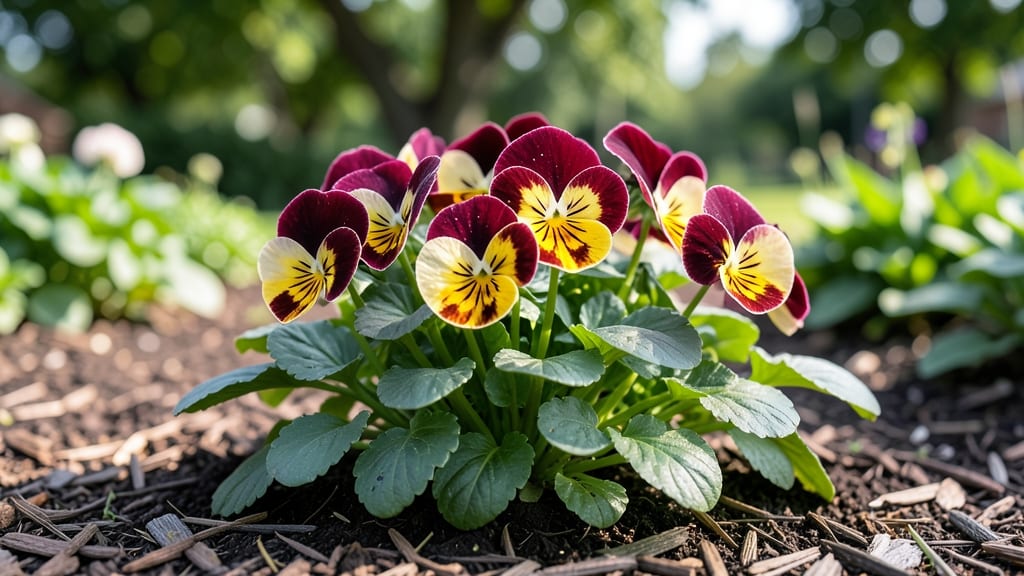
Plant pansies in Alabama between September and October for vibrant fall blooms, or in February and March to brighten your spring garden—timing makes all the difference in 7a-8b zones.
Pansies thrive in Alabama’s mild winters and warm springs, but planting them at the wrong time means faded blooms—or worse, no flowers at all. Whether you’re in northern Alabama with cooler nights or the southern coastal warmth, getting the timing right ensures your garden stays colorful year-round.
Microclimates across the state complicate things further. A late frost in March can wipe out spring plantings, while summer heat stress can turn your pansies into sad, leggy shadows. The key is knowing your region’s frost dates and adjusting your planting schedule accordingly.
In this guide, I’ll break down the best planting months for your specific area, share pro tips for extending blooms, and help you avoid common mistakes that kill Alabama pansies. Let’s get your garden bursting with year-round color!
Best pansy planting months in Alabama by region (North vs. South)
Alabama’s diverse climate means pansies planted in North Alabama face harsher winters than those in the South. Understanding your USDA Zone (7a-8b) and frost-free dates is key to vibrant blooms.
In Northern Alabama, winters dip below 20°F, while Southern Alabama rarely drops below 30°F, creating distinct planting windows.
For fall planting, aim to get pansies in the ground 4-6 weeks before your region’s first frost. This timing ensures roots establish before winter chill sets in.
In Central Alabama, this window shifts slightly later than the North, while coastal areas can plant even later due to milder temperatures.
Spring planting follows a similar rule: plant 6-8 weeks before your area’s last frost date. In Northern Alabama, this means early February, while Southern Alabama gardeners can wait until late February or even early March. Timing here prevents heat stress during Alabama’s hot summers.
Here’s how to align your planting with Alabama’s three distinct regions: North, Central, and South. Each zone has unique frost dates and microclimates that influence when pansies thrive best.
In North Alabama, where winters are colder, plant pansies in September to ensure they bloom before frost. The first frost typically hits by mid-October, so early planting gives roots time to anchor.
For spring blooms, wait until early February to avoid heat stress during Alabama’s summer heatwaves.
Central Alabama offers a slightly longer window. Plant in late September for fall color and mid-February for spring. This region’s mild winters reduce frost risk, but late frosts can still damage tender pansies. Use row covers if temperatures dip unexpectedly.
Gardeners in Southern Alabama enjoy the most flexibility. Plant pansies in late September for fall displays and late February for spring. The coastal climate keeps winters mild, but humidity levels can stress pansies. Improve drainage and avoid overhead watering to prevent fungal diseases like downy mildew.
For year-round color, consider staggered planting. In North Alabama, plant half your pansies in September and the other half in February. In South Alabama, you can even plant a small batch in November for late-winter blooms.
This strategy ensures continuous flowering seasons despite Alabama’s unpredictable weather.
Always check your local Alabama Cooperative Extension Service for updated frost dates. Microclimates—like urban heat islands or protected garden spots—can shift frost dates by 1-2 weeks. Adjust your planting schedule accordingly to maximize pansy performance.
Pro tip: Use mulch to protect pansies from temperature swings. Apply 2-3 inches of straw after planting to insulate roots and retain moisture. This is especially critical in Northern Alabama, where winter temperatures can drop below 20°F.
How to extend pansy blooms year-round in Alabama’s climate
Alabama’s unpredictable frosts and sweltering summers can make pansy care tricky, but with the right strategies, you can enjoy vibrant blooms from fall through spring. The secret lies in staggered planting, protective mulching, and smart companion choices that shield your pansies from stress.
Start by planting two batches of pansies: one in late September for fall color and another in early February for spring. This ensures continuous blooms even if one batch struggles with late frosts or heat.
In northern Alabama, where winters are colder, add a third batch in November for extra insurance.
- 1. Stagger Planting: Plant September 15-30 and February 1-15 for seamless transitions. Use 4-6 week intervals between batches.
- 2. Mulch Heavily: Apply 3-4 inches of mulch in November to insulate roots from frost. Use straw or shredded leaves for best results.
- 3. Choose Shade: Protect pansies from summer heat by planting under partial shade (e.g., trees or trellises) or in east-facing beds.
- 4. Deadhead Regularly: Remove spent blooms weekly to encourage new flower production. This extends blooming by 30-50%.
- 5. Companion Plants: Pair pansies with bush beans or lettuce to deter pests and improve soil. Avoid planting near tomatoes or peppers, which compete for nutrients.
- 6. Fertilize Strategically: Apply a balanced 5-10-10 fertilizer in early spring and fall only. Skip summer feeding to prevent heat stress.
- 7. Watch for Frost: Cover pansies with frost cloth if temperatures dip below 25°F. Check local frost alerts in March.
Alabama’s humidity and heat can stress pansies, but companion planting is your best friend. Pair them with bush beans to improve soil nitrogen and deter pests like aphids. Lettuce or spinach also thrive nearby, creating a low-maintenance polyculture that keeps your garden lush and pest-free.
Don’t let late spring frosts catch you off guard. Monitor local weather forecasts in March and have frost cloth ready. A light covering can protect pansies down to 20°F, giving your spring batch a fighting chance.
In coastal Alabama, where frosts are rare, focus on heat protection instead—mulch heavily and water deeply in afternoons to cool the soil.
For year-round success, rotate pansy varieties. Cool-season types like ‘Matrix’ or ‘Sorbet’ handle Alabama’s winters well, while heat-tolerant varieties like ‘Majestic Giant’ perform better in spring and fall. Mixing varieties ensures continuous color regardless of the season’s quirks.
With these strategies, your pansies will thrive through Alabama’s climate extremes, giving you months of vibrant blooms instead of just a few weeks. Happy gardening—your garden will thank you! 🌿