
Plants
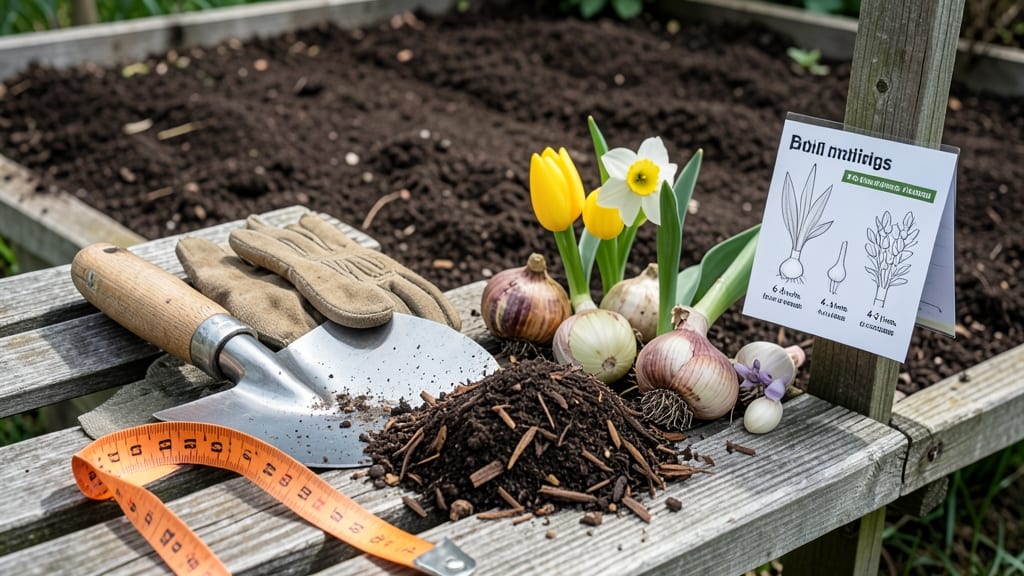
Planting bulbs in Houston at the right time means spring blooms that outshine the humidity—and skipping the wrong window can turn your garden into a soggy mess.
Houston’s subtropical climate throws off many gardeners’ timing, but fall is your golden window for spring-flowering bulbs like daffodils and tulips. Plant too early, and the heat rots them before winter; too late, and they won’t root deep enough for those vibrant blooms you crave.
Here’s the secret: September through November is your sweet spot, with soil still warm enough to encourage roots but cool enough to avoid fungal issues.
We’ll break down the exact months, the bulbs that thrive here, and how to tweak your approach for Houston’s quirks—like avoiding summer planting, which is a one-way ticket to bulb burnout.
By the end, you’ll know not just when to plant, but how to prep the soil, which varieties to pick, and even how to handle those pesky heat spikes that sneak in before December. Let’s get those bulbs in the ground the right way.
Houston’s ideal bulb planting calendar by month (fall & spring)
Houston’s humid subtropical climate creates a unique challenge for bulb planting—too early, and your bulbs may rot in the heat; too late, and they won’t establish roots before winter. The key is planting spring-flowering bulbs in fall (September–November) and summer/fall bulbs in late winter (January–February).
This schedule ensures vibrant blooms despite Houston’s 90°F summers and occasional freezing January nights.
Unlike northern climates, Houston’s USDA Zone 9a means we avoid harsh winters, but we also face long, hot growing seasons. Choose heat-tolerant varieties like rain lilies (Zephyranthes) and spider lilies (Hymenocallis) for summer color, while classic daffodils (Narcissus) and tulips (Tulipa) still thrive with proper timing.
⚠️ Critical Note: Houston’s first frost rarely occurs before December 15, but unexpected cold snaps can happen. Plant 6–8 weeks before frost for spring blooms, and opt for bulb covers or mulch in high-risk areas. For summer bulbs, wait until soil warms to 60°F+ (typically late January).
| Month | Planting Window | Best Bulbs to Plant | Key Tips |
|---|---|---|---|
| September | ✅ Ideal for spring blooms | Daffodils, Tulips, Hyacinths | Plant 6–8 inches deep; amend soil with compost. |
| October | ✅ Last chance for spring bulbs | Crocus, Allium, Snowdrops | Use well-draining soil; avoid waterlogged areas. |
| November | ⚠️ Risky—plant only if soil >50°F | Late-blooming Tulips | Mulch heavily to protect from unexpected frost. |
| January | ✅ Start summer bulbs | Rain Lilies, Spider Lilies | Wait for soil to warm to 60°F+. |
| February | ✅ Best for heat-loving bulbs | Crinum Lilies, Zephyranthes | Plant in full sun; water deeply after planting. |
September is your golden window for planting spring-flowering bulbs. Aim to finish by October 15 to give roots time to establish before Houston’s cooler winter months. Daffodils and tulips are classic choices, but Houston’s heat can stress traditional varieties.
Opt for heat-tolerant daffodils like ‘Ice Follies’ or ‘Tête-à-Tête’ for reliable blooms.
If you miss fall planting, don’t despair—January–February is perfect for summer/fall bulbs like rain lilies and spider lilies. These thrive in Houston’s heat and add year-round color.
Plant them in well-draining soil and full sun to prevent rot. Avoid planting in waterlogged clay soil, which is common in Houston’s heavy rains.
For container gardening, use fast-draining mixes with perlite or sand. Plant bulbs twice as deep as their diameter and water thoroughly after planting. Containers heat up faster, so shade cloth may be needed in summer to protect heat-sensitive bulbs like hyacinths.
Houston’s humidity can lead to bulb rot, so always plant in elevated beds or amend soil with organic matter. A 2–3 inch mulch layer helps retain moisture and regulate soil temperature. Avoid overwatering—deep, infrequent watering is better than frequent shallow soaks.
Pro tip: Mark your planting calendar with Houston’s average frost dates (Dec 15–Jan 15) and adjust for microclimates. North-facing gardens may stay cooler longer, while south-facing areas can handle earlier spring plantings.
Test your soil’s drainage by digging a hole—if water pools after 6 hours, amend with sand or grit.
Finally, fertilize lightly in fall (use a balanced 10-10-10 fertilizer) to boost root growth. Skip spring fertilization—let foliage die back naturally to replenish bulb energy for next year’s blooms. With these adjustments, your Houston garden can burst with color from spring to fall! 🌷
How to adjust bulb planting for Houston’s heat and humidity
Houston’s humid subtropical climate can turn bulb planting into a high-stakes game of timing. The wrong approach leads to soggy rot or stunted growth, while the right adjustments ensure vibrant blooms year-round.
Unlike cooler climates, Houston’s heat and humidity demand special care—from soil prep to irrigation—so your daffodils, tulips, and crocuses thrive despite the challenges.
First, focus on soil drainage and organic matter ratios. Houston’s clay-heavy soil retains too much moisture, creating the perfect conditions for bulb rot. Amend your soil with compost or sand to improve aeration and water flow.
Aim for a 50-50 mix of native soil and organic amendments, like leaf mold or coconut coir, to strike the right balance. This prep work is non-negotiable—skipping it risks your bulbs sitting in a soggy grave.
Planting bulbs in Houston’s summer heat or during prolonged rain can lead to:
- Bulb rot from excess moisture in heavy clay soil
- Stunted growth due to heat stress before roots establish
- Fungal diseases like Botrytis thriving in humid conditions
Solution: Only plant fall-flowering bulbs (e.g., crocuses, snowdrops) in late winter (Jan-Feb). Avoid planting in summer or early fall when soil temps exceed 80°F.
Next, adjust your irrigation strategy to match Houston’s unpredictable weather. After planting, water deeply but infrequently—aim for 1 inch per week—to encourage deep root growth. Use drip irrigation or soaker hoses to deliver water directly to the soil, avoiding wet foliage that fuels fungal diseases.
In the first 2 weeks post-planting, monitor soil moisture closely; Houston’s humidity can dry out surface soil faster than you think.
Don’t overlook the threat of unexpected early frosts or late heatwaves. Houston’s USDA Zone 9a means frosts are rare, but they can still occur in December or January. Protect newly planted bulbs with a lightweight frost cloth if temperatures dip below 30°F.
Conversely, if a late heatwave hits in March or April, mulch bulbs with straw or pine needles to retain moisture and shield them from stress.
Here’s your pre-planting soil prep checklist to tackle Houston’s challenges head-on:
☑️ Amend soil with compost or sand (50-50 ratio)
☑️ Improve drainage by planting on a slight slope or in raised beds
☑️ Avoid compacted soil—loosen with a garden fork before planting
☑️ Water deeply after planting to settle soil and eliminate air pockets
With these adjustments, your bulbs will establish strong roots and bloom beautifully despite Houston’s climate quirks. The key is proactive soil prep and smart watering—two small efforts that make all the difference in the Lone Star State’s humid heat. 🌱