
Plants
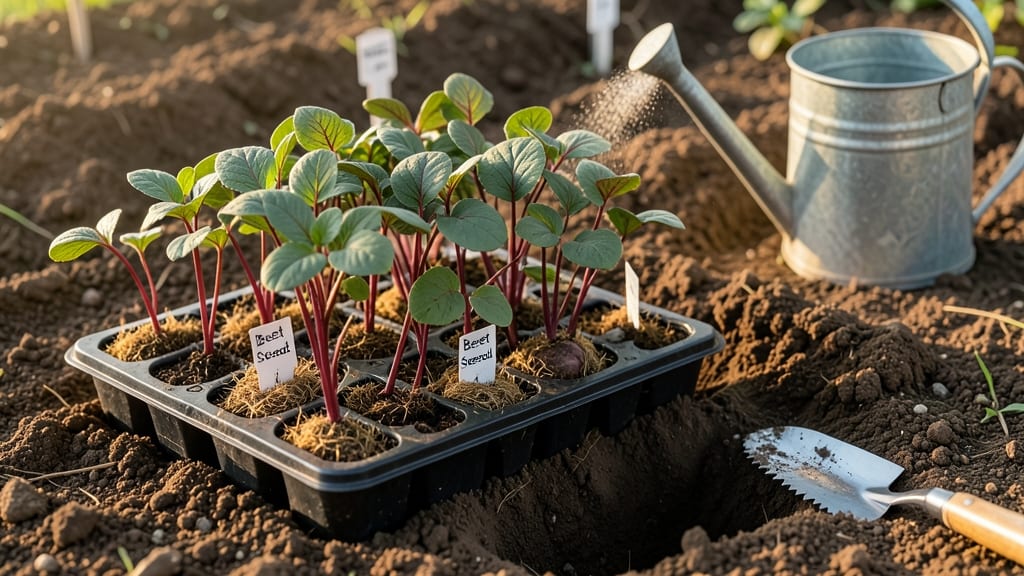
Plant beets in Oregon between late March and early April for a sweet, tender harvest—just as the soil warms to 50°F and the last frost lingers in memory.
Oregon’s diverse climates—from coastal fog to high desert heat—mean planting beets at the wrong time can turn your harvest into bitter disappointment. But timing it right guarantees tender, sweet roots that rival your favorite market finds.
Whether you’re in the Willamette Valley, the Pacific coast, or the high desert, the key is knowing your microclimate. Coastal areas can start earlier, while inland zones need to wait for stable warmth to avoid stunted growth.
Below, I’ll break down the exact planting windows for your region, soil prep secrets, and how to stretch your harvest from spring to fall—so you’re never without fresh, homegrown 🍠.
Oregon’s best beet planting months by microclimate: coastal vs. Willamette Valley vs. high Desert
Oregon’s three distinct microclimates—coastal, Willamette Valley, and High Desert—create wildly different growing conditions for beets. Planting at the wrong time can lead to bolting (premature flowering), stunted growth, or even failure to germinate.
The key is understanding your frost-free dates and soil temperature thresholds for beet seeds, which need 50°F+ soil to sprout reliably.
For coastal gardeners, mild winters and cool summers extend the growing season, while Willamette Valley’s moderate climate allows for two harvests per year. Meanwhile, High Desert growers must work around hot days and cold nights, which can stress young seedlings.
Let’s break down the optimal planting windows for each region to ensure you’re sowing at the perfect moment.
Comparison Table: Oregon Beet Planting by Microclimate
| Region | Best Planting Months | Soil Temp for Germination | Last Frost Date | Fall Planting Window |
|---|---|---|---|---|
| Coastal (e.g., Astoria, Cannon Beach) | March–April, August–September | 50°F+ (consistent) | Early April | Late July–early August |
| Willamette Valley (e.g., Portland, Eugene) | February–March, July–August | 50°F+ (soil must stay warm) | Mid-April | Mid-July–late August |
| High Desert (e.g., Bend, Redmond) | April–May, July–early August | 55°F+ (warmer soil needed) | Late April–early May | Early July–mid-July |
In coastal Oregon, where frost lingers later and summers stay cool, you can start beets as early as late February under row covers. The cooler soil means seeds may take 10–14 days to germinate, so plan accordingly.
For a fall harvest, aim for late July sowings to avoid bolting before frost.
Willamette Valley gardeners enjoy the longest growing season, with two clear planting windows: spring (February–March) and fall (July–August). The valley’s moderate temperatures make it ideal for succession planting, allowing you to stagger harvests every 2–3 weeks.
Just watch for late spring frosts, which can still occur in early April.
High Desert conditions are the most challenging for beets due to hot days and cold nights. Start seeds indoors in March and transplant after last frost (late April) to give seedlings a head start.
For fall planting, focus on July sowings—any later, and the heat stress will cause bolting. Use shade cloth during peak afternoon sun to protect young plants.
All three regions benefit from soil preparation before planting. Beets thrive in loamy, well-draining soil with a pH of 6.0–7.0. Work in 2–3 inches of compost before sowing to improve fertility.
Avoid fresh manure, which can cause bolting due to high nitrogen. A light mulch of straw helps retain moisture and suppress weeds, especially in coastal areas where rain can be heavy.
One pro tip for all regions: direct sow seeds rather than transplanting seedlings. Beets hate root disturbance, and transplanted plants often struggle to recover. Sow seeds ½ inch deep, 1 inch apart, and thin to 2–3 inches once seedlings have 2–3 true leaves.
This spacing prevents crowding, which leads to small, misshapen roots.
For coastal gardeners, consider cold-hardy varieties like ‘Detroit Dark Red’ or ‘Golden’ for early spring plantings. In the Willamette Valley, heat-tolerant varieties such as ‘Chioggia’ or ‘Bull’s Blood’ perform well in both spring and fall.
Meanwhile, High Desert growers should opt for fast-maturing varieties like ‘Red Ace’ or ‘Babybeat’ to avoid summer bolting.
Timing your beet harvest is just as critical as planting. Most varieties mature in 50–70 days, but cooler coastal climates may extend this to 70–80 days. Harvest when roots are 1–3 inches in diameter
How to extend your beet harvest season in Oregon: succession planting and cold-hardy varieties
Oregon’s cool maritime climate and short growing seasons make succession planting your secret weapon for a year-round beet harvest. By choosing cold-hardy varieties and staggering plantings, you can enjoy fresh, tender roots from early spring through late fall—even in Zone 7b-9a regions.
The key is understanding microclimate variations and protecting young seedlings from Oregon’s unpredictable weather.
For spring harvests, start seeds indoors 6-8 weeks before your last frost date (typically late February to early March for coastal areas). In the Willamette Valley, direct sow outdoors begins in early March, while high desert regions can wait until mid-April when soil warms to 50°F.
Fall plantings should start 8-10 weeks before your first frost (usually mid-July to early August).
Protecting seedlings from Oregon’s unpredictable late frosts (common until May 15 in many areas) is critical. Use floating row covers or low tunnels to shield young plants until they reach 4 inches tall.
For high desert regions, mulch heavily with straw or leaves to retain moisture during hot days and cold nights. In coastal areas, watch for fog-related rot—ensure beds have good drainage and avoid overhead watering.
To maximize your harvest, pair beets with companion plants like garlic or onions (which deter pests) and lettuce or bush beans (which share space efficiently). Avoid planting near pole beans or brassicas, which compete for nutrients.
Rotate crops annually to prevent soil-borne diseases like beet curly top virus, which thrives in Oregon’s warm, dry summers.
Harvest beets when roots reach 1-3 inches in diameter (smaller beets are sweeter).
In Oregon’s cool climate, you can store ‘Detroit Dark Red’ varieties in sandy soil for 2-3 weeks after pulling, or cure and store in moist sand in a cool, dark place for up to 3 months.
For year-round access, freeze baby beets or pickle them—both methods preserve their vibrant color and sweetness.
With these strategies, you’ll turn Oregon’s challenging climate into an advantage, enjoying homegrown beets from spring salads to winter roasts. The secret? Plan ahead, protect your plants, and harvest young—before Oregon’s weather decides to change again. 🌱