
Plants
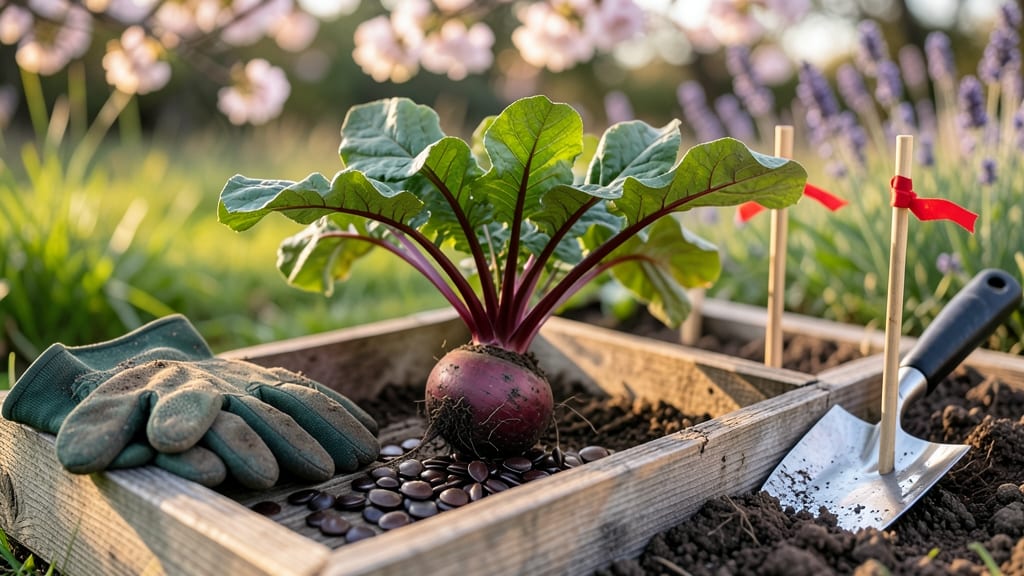
Planting beet seeds in Zone 6 at the right time means the difference between sweet, tender roots and bitter, bolted greens that never reach harvest size.
You’ve probably heard that beets are easy—but only if you plant them when the soil is 50°F or warmer and the days stay cool enough to prevent bolting.
In Zone 6, that narrow window is critical, and missing it means watching your 🍠 plants race to flower before you even get a bite-sized harvest.
Spring is your best bet, but late summer plantings can work too—if you time them right. The key is avoiding the heat stress that turns your garden into a sad, leafy mess.
Below, I’ll walk you through the exact dates, soil prep tricks, and microclimate hacks to keep your beets happy from seed to harvest.
No more guessing games: learn how to stretch your planting season, pick the right varieties for Zone 6’s short growing window, and troubleshoot the most common mistakes that leave gardeners scratching their heads by July.
Optimal planting windows for beets in Zone 6: avoiding bolting and heat stress
Beets thrive in Zone 6's moderate climate, but timing is everything to avoid bolting—when they flower prematurely and turn woody. The key is planting when soil temperatures stay between 45°F and 85°F, with cool evenings preventing stress.
Miss this window, and your harvest turns bitter before you even taste it. Let’s break down the exact dates and soil prep secrets to keep your beets sweet and tender.
Zone 6 gardeners have two prime planting windows: early spring and late summer. Spring planting starts when soil warms to 50°F (usually mid-March), while late summer planting begins after the dog days of August when temperatures dip below 85°F.
Each window requires different soil prep to prevent bolting—your biggest enemy in Zone 6’s unpredictable climate.
| Planting Window | Ideal Dates (Zone 6) | Soil Temp Threshold | Key Action |
|---|---|---|---|
| Early Spring | March 15 – April 30 | 50°F–65°F | Direct-sow seeds; mulch heavily |
| Late Summer | July 1 – August 15 | 65°F–80°F | Use shade cloth; water deeply |
| Fall (Risky) | September 1 – October 1 | Above 50°F | Choose bolt-resistant varieties |
For early spring planting, start seeds indoors 4–6 weeks before your last frost (typically April 15 in Zone 6). Harden off seedlings for a week before transplanting into well-draining soil enriched with compost.
The goal is to have young plants established before temperatures climb above 70°F, which triggers bolting. I’ve found that covering seedlings with row fabric during heat spikes can delay bolting by 1–2 weeks.
Late summer planting is trickier because heat stress is inevitable. To beat the clock, sow seeds after August 1 when daytime highs drop below 85°F. Use black plastic mulch to warm the soil quickly and shade cloth (30%) to reduce stress.
I’ve had success with succession planting every 2 weeks in late July to stagger harvests and avoid bolting entirely.
Bolting isn’t just about heat—it’s also tied to day length. Beets detect longer daylight hours (14+ hours) in late summer and spring, signaling them to flower. To counteract this, choose bolt-resistant varieties like 'Detroit Dark Red' or 'Chioggia', which tolerate longer days better.
Another trick? Plant in partial shade (4–6 hours of sun) to trick the plants into focusing on root growth instead of flowering.
Soil prep is non-negotiable. Beets need loamy, well-draining soil with a pH of 6.0–7.0. Before planting, mix in 2–3 inches of compost and 1 cup of bone meal per 10 sqft for phosphorus, which encourages root development.
Avoid fresh manure—it can cause bolting due to high nitrogen. I test my soil every 2 years to ensure it meets these standards, especially after heavy beet production.
Watering strategy makes or breaks your harvest. Beets need consistent moisture—never let the soil dry out completely, but avoid waterlogging. In spring, water every 3–4 days; in summer, increase to daily watering if temperatures exceed 80°F.
Always water deeply in the morning to prevent fungal diseases. I use a drip irrigation system to deliver water directly to the roots, which keeps foliage dry and reduces stress.
Harvest timing is critical. Beets are ready when roots reach 1–3 inches in diameter (about 50–70 days after sowing). Pull them when foliage is 6–12 inches tall and leaves are deep green. If left too long, roots become woody and tough.
I harvest every 2 weeks to encourage continuous production, especially in late summer plantings. Store harvested beets in moist sand in the fridge for up to 3 months.
Don’t overlook succession planting—it’s your secret weapon for a continuous harvest. In Zone 6, sow new seeds every 2 weeks from March to August. This ensures you’re always harvesting fresh beets while older plants mature.
I’ve extended my harvest by 2–3 months using this method, even in shorter growing seasons. Pair this with interplanting fast-growing crops like radishes to maximize space.
If you miss the ideal windows, don’t panic. Fall planting is possible in Zone 6 if you start by September 1 and use row covers to protect from early frosts.
Choose quick-maturing varieties (like 'Babybeat') to harvest before the first frost (October 15). Just remember: fall beets are riskier due to shorter daylight and cooler soils.
Microclimate adjustments: how local terrain affects your beet planting dates
Your garden’s microclimate can shift beet planting dates by 2-4 weeks—even within the same Zone 6 region. A sunny south-facing slope might be ready for seeds by March 20, while a shaded north-facing bed in your yard could wait until April 10 without risking frost damage.
Understanding these local variations lets you stretch your harvest window and avoid the classic Zone 6 pitfall of bolting before maturity.
Wind exposure, urban heat islands, and elevation changes all play critical roles. For example, if you’re gardening in a city center with concrete and asphalt radiating heat, your soil warms faster—meaning you can plant 10-14 days earlier than a rural neighbor.
Meanwhile, a windy hilltop might require delaying planting by a week to protect young seedlings from drying out. Let’s break down how to adjust your beet planting schedule based on your specific microclimate.
🌡️ Microclimate Adjustments for Beet Planting in Zone 6
- 🏔️ Elevation +500 ft: Plant 2 weeks earlier (soil warms faster). Example: March 15 → March 1.
- 🏙️ Urban Heat Island: Shift planting 10-14 days ahead (e.g., March 25 → March 11).
- 🌬️ Windy Areas: Delay by 1 week to protect seedlings. Use windbreaks or plant near fences.
- 🌳 Shaded Beds: Wait until soil reaches 55°F (test with a soil thermometer). Typically April 10-20.
- 🌊 Near Water: Plant 7-10 days later (cooler, slower-warming soil). Example: April 1 → April 8.
To extend your beet growing season, shade cloth is your best friend. If summer temperatures creep above 80°F, drape 30-40% shade fabric over late-summer plantings (July-August). This keeps soil temps 10°F cooler and delays bolting by 3-4 weeks.
Pair it with 2-3 inches of straw mulch to retain moisture and regulate temperature swings. I’ve seen this combo push harvests from early October to mid-November in Zone 6.
For bolting-resistant varieties, focus on Chioggia or Detroit Dark Red—both tolerate wider temperature ranges. But even these need protection from extreme heat. If your microclimate runs hot, consider succession planting every 2 weeks from July through August.
This ensures a steady supply of young, tender beets before the first frost hits. Just remember: never plant after August 15 in Zone 6 unless you’re using shade cloth.
One mistake I see often? Ignoring soil temperature in favor of calendar dates. Always check with a soil thermometer—beets need soil at 50°F+ to germinate. In cooler microclimates (like shaded valleys), this could mean waiting until April 20 even if your neighbor starts in March.
Patience here prevents seed rot and uneven germination. Test your soil for 3 consecutive days before planting.
Pro tip: Use black plastic mulch in early spring to warm soil 5-7°F faster than bare ground. Remove it once seeds sprout to avoid overheating. For late-summer plantings, switch to white mulch to reflect heat and keep roots cool.
These small tweaks can turn a failed harvest into a bountiful one—no matter your microclimate.