
Plants
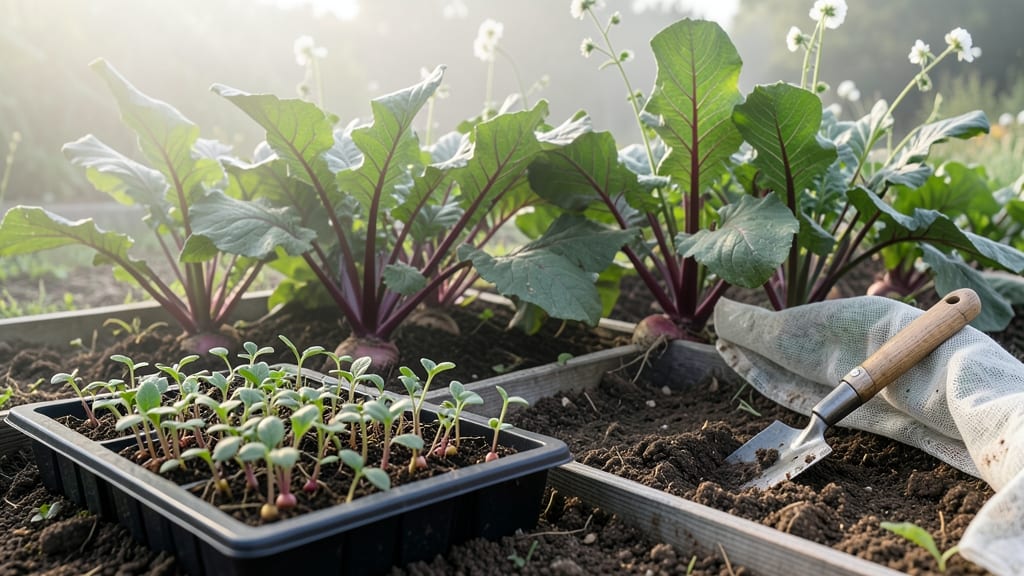
Planting beets in Wisconsin means timing your seeds for the short but sweet window between last frost and first frost—typically April 15 to May 15 for spring and July 15 to August 15 for summer.
Wisconsin’s unpredictable weather can turn a great harvest into a gamble if you’re not careful. One late frost and your seedlings might bolt; one heatwave and your roots could turn woody.
But with the right timing, you’ll enjoy tender 🍠 beets from July all the way through October—or even into November if you plant late summer.
This guide breaks down the exact frost-free timeline for USDA Zones 4a-5b, plus how to adjust for Wisconsin’s quirks, like using row covers to protect early starts or choosing heat-tolerant varieties for summer planting.
You’ll also find the best beet varieties for Wisconsin’s climate, succession planting tips to stretch your harvest, and when to fertilize for maximum sweetness—no guesswork, just results.
Wisconsin beet planting timeline by USDA zone 5A-5B (with frost dates)
Timing your beet planting in Wisconsin’s USDA Zones 5A-5B means balancing early spring warmth with late frost risks. The average last frost falls between April 15–May 15, while the first frost typically arrives September 20–October 10.
This narrow window demands precision—but with the right schedule, you can enjoy fresh beets from early July to October. The key? Strategic succession planting and variety selection to stretch your harvest.
Beets thrive in Wisconsin’s cool climate, but their 60–70-day growth cycle requires careful planning. Plant too early, and seedlings may bolt from heat; too late, and roots won’t mature before frost. My strategy?
Start with cold-hardy varieties in early spring, then follow with heat-tolerant types in summer for a continuous supply. Below, I’ve broken down the exact month-by-month windows, including succession planting tips to keep your harvest going all season.
For spring plantings, I recommend starting seeds indoors by March 15 under grow lights or using a cold frame to protect tender seedlings. Direct sow outdoors once soil reaches 50°F, typically by April 15.
Use row covers if late frosts threaten—even a light frost can damage young greens. My go-to varieties for spring are ’Early Wonder’ (50 days) and ’Ruby Queen’ (55 days), which mature quickly and handle Wisconsin’s cool soils.
Summer plantings in July–August focus on heat-tolerant varieties like ’Detroit Dark Red’ or ’Chioggia’, which won’t bolt in Wisconsin’s 80°F+ temperatures. Plant these in partial shade if your garden gets scorching afternoon sun.
Succession plant every 2 weeks until August 15 to ensure a steady supply. Avoid planting after this date—roots won’t mature before the first frost in late September.
Don’t overlook fall plantings! While beets aren’t as cold-hardy as kale or spinach, you can still extend your harvest into October by planting cold-tolerant varieties like ’Boltardy’ in early August. These varieties handle light frosts and sweeten after exposure to cold.
Use black plastic mulch to warm soil for early August starts, then transition to straw mulch to protect roots as temperatures drop.
Pro tip: Mark your calendar for September 1late-season variety like ’Cylindra’ (58 days). These beets mature quickly and can be harvested before the first hard frost. If you miss this window, consider overwintering a small patch under straw mulch for early spring harvests, though yields will be
How to adjust beet planting for Wisconsin’s unpredictable weather
Wisconsin’s unpredictable spring frosts and short growing season can turn beet planting into a high-stakes game. Young seedlings are especially vulnerable to late frosts (even after May 15), while summer heat can cause roots to become tough and woody.
The key to success? Proactive adjustments like soil warming, protective covers, and strategic timing.
I’ve learned that row covers and cold frames can push your planting window back by 2-3 weeks, while black plastic mulch warms the soil faster than bare earth.
These tricks help you beat Wisconsin’s weather and enjoy a longer harvest. Let’s dive into the specifics so you can grow beets that thrive despite Mother Nature’s whims.
⚠️ WARNING: Late Frost Risk! Beet seedlings can’t survive temperatures below 40°F. Even if your average last frost is May 15, wait until May 22 in Zone 5A and May 15 in Zone 5B to plant outdoors.
For earlier starts, use row covers or a cold frame to protect seedlings until soil temps reach 50°F. If a frost warning hits, cover plants with lightweight fabric or a plastic sheet secured with bricks. Never plant beets in cold, wet soil—it causes rot.
Test soil temps with a thermometer before sowing.
One of my biggest mistakes was planting too early without protection. In 2022, a late April frost wiped out my first batch of seedlings. Since then, I’ve started using black plastic mulch in early April to warm the soil.
This simple trick raises soil temps by 10-15°F, letting me plant 2 weeks earlier than before. For even better results, combine mulch with a low tunnel made from PVC pipes and plastic sheeting.
For summer planting (July-August), focus on shade cloth to protect seedlings from intense Wisconsin sun and heat stress. A 30% shade cloth reduces soil temps by 10°F and prevents bolting. Water deeply in the morning to keep roots cool, and mulch heavily to retain moisture.
I’ve had great success with ‘Detroit Dark Red’ and ‘Golden’ varieties in summer—they tolerate heat better than others.
Don’t overlook succession planting to stretch your harvest. Sow new seeds every 2-3 weeks from May through July. This ensures a continuous supply of tender beets instead of one big harvest that spoils before you can eat it all.
In my garden, I mark planting dates on a calendar and set reminders—it’s easy to forget once summer kicks in!
Finally, harvest before the first frost (usually September 20-October 10 in Wisconsin). If you miss that window, focus on beet greens, which are more cold-tolerant than the roots.
I’ve harvested greens well into November by covering plants with straw mulch to insulate them. With these adjustments, you’ll turn Wisconsin’s unpredictable weather into an advantage—not a obstacle.