
Plants
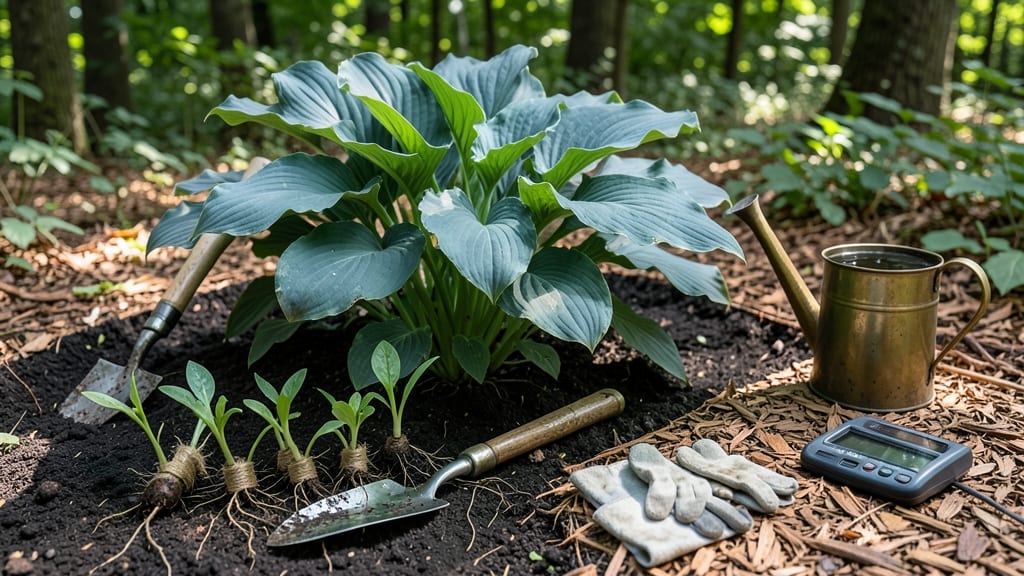
Planting hostas in Illinois at the right time ensures your 🌿 hostas thrive through cold winters and humid summers—aim for early to mid-spring or early fall, when soil temperatures are just right.
Timing your hosta planting just right in Illinois can mean the difference between lush, thriving foliage and struggling transplants. Too early, and a late frost will shock young roots; too late, and your hostas won’t establish before winter sets in. In zones 5-6, the window is narrow but critical.
Most gardeners in Illinois swear by fall planting—September or early October—as the best bet, since it gives roots time to settle before the ground freezes. But spring planting (after your last frost, usually around April 15) works too, if you prep the soil properly.
Below, I’ll break down the exact months for your zone, soil prep tips, and how to protect your hostas from Illinois’ unpredictable weather—so you can enjoy those stunning leaves year after year.
Best months to plant hostas in Illinois Zones 5 and 6
Getting your hostas in the ground at the right time in Illinois is key to their survival and growth. With USDA Zones 5 and 6 experiencing unpredictable spring frosts and hot summers, timing matters more than you might think.
Whether you're planting in Zone 5a, 5b, 6a, or 6b, the ideal windows are early spring or early fall—when soil temperatures and weather conditions align perfectly for root establishment.
In Illinois, soil temperature is your best guide—hostas thrive when soil is at least 50°F (10°C) and consistently warming. This typically occurs in late April to early May for spring planting and September to early October for fall.
Planting too early risks frost damage, while waiting too long can stress young plants before winter dormancy sets in.
| Zone Type | Best Spring Month | Best Fall Month | Soil Temp Requirement | Key Consideration |
|---|---|---|---|---|
| Zone 5a | Late April - Early May | Mid-September - Early October | 50-55°F (10-13°C) | Avoid late frosts |
| Zone 5b | Mid-April - Late April | Late September - Mid-October | 50-55°F (10-13°C) | Soil should be workable |
| Zone 6a | Early April - Mid-April | Late September - Early October | 55-60°F (13-16°C) | Warmer soil speeds growth |
| Zone 6b | Late March - Early April | Mid-September - Late September | 55-60°F (13-16°C) | Plant before summer heat |
For spring planting, aim to get your hostas in the ground 2-3 weeks after your last frost date. In Illinois, this is typically around mid-April to early May, but always check your local frost forecast.
Planting too early can expose young roots to cold soil, while waiting too long may stress plants before they establish.
Fall planting offers a second chance for Illinois gardeners, especially in Zones 5b and 6. The goal is to plant 6-8 weeks before the first frost, usually September to early October.
This gives roots time to establish before winter dormancy. In Zone 5a, opt for the earlier end of this window to avoid early frosts.
One common mistake is planting based on air temperature rather than soil temperature. Use a soil thermometer to confirm your soil is warm enough—hostas won’t thrive in cold, damp soil.
If your soil is still below 50°F (10°C), wait a week or two. Patience now means stronger plants later.
If you're planting in containers, the timing is slightly more flexible. Containers warm up faster than garden beds, so you can start 1-2 weeks earlier in spring or 2-3 weeks later in fall.
Just ensure your containers have drainage holes to prevent root rot, a common issue in Illinois' humid climate.
Mulching after planting is a game-changer for Illinois hostas. Apply 2-3 inches of mulch (like shredded bark or straw) to retain moisture and regulate soil temperature. This is especially important during hot summers and cold winters, both of which can stress hostas if not managed properly.
Remember, hostas multiply quickly, so spacing matters. Give them 12-36 inches of space depending on the variety—dwarf types need less room, while larger varieties spread wider. Proper spacing improves airflow, reducing the risk of fungal diseases like leaf spot, which can be problematic in Illinois' humid summers.
Finally, water deeply after planting to encourage root growth. In Illinois' variable climate, consistent moisture is key—especially during the first 2-3 weeks after transplanting. Water in the morning to reduce fungal risks and avoid wetting the foliage, which can attract pests like slugs and snails.
With these timing tips, your hostas will thrive in Illinois' unique climate, giving you stunning foliage year after year. Happy planting! 🌿
How to prepare hostas for Illinois planting seasons
Illinois’ unpredictable spring and cool fall weather demand extra care when planting hostas. The key is preparing your soil and transplants to handle temperature swings and moisture shifts. I’ve learned that acclimating hostas before transplanting can double their survival rate in our Zone 5-6 climate.
Start by testing your soil’s pH—hostas thrive in slightly acidic conditions (6.0–7.0). If your soil is too alkaline, amend it with peat moss or compost 2–3 weeks before planting. This gives microbes time to adjust and improves drainage, which is critical after Illinois’ heavy spring rains.
Step-by-Step Hostas Prep for Illinois
- Step 1: Acclimate Container Hostas
Move potted hostas outdoors 1–2 weeks before planting to harden them. Place them in partial shade (like your garden spot) and gradually increase sun exposure daily. This mimics Illinois’ spring temperature fluctuations.
- Step 2: Dig the Perfect Hole
Dig holes twice as wide as the root ball but only as deep as the container’s base. Hostas dislike buried crowns, which can rot in Illinois’ humid summers. Loosen the sides of the hole with a fork to encourage root spread.
- Step 3: Amend the Soil
Mix 3 inches of compost into the backfilled soil. For clay-heavy Illinois soil, add perlite or sand to improve aeration. Water the hole deeply to settle the soil before planting.
- Step 4: Transplant with Care
Remove the hosta from its container and loosen roots if pot-bound. Place it in the hole so the crown sits at soil level. Backfill with amended soil, tamping gently to remove air pockets. Water immediately to reduce transplant shock.
- Step 5: Mulch and Water
Apply 2–3 inches of mulch (straw or shredded leaves) to retain moisture and regulate soil temperature. Water deeply every 5–7 days for the first month, keeping soil consistently moist but not soggy.
For fall planting (my preferred method in Illinois), wait until early October when soil temps drop below 70°F. This gives roots time to establish before winter dormancy. Avoid planting in late fall—you’ll risk frost damage before roots take hold.
After planting, monitor for slugs (a common Illinois pest) and powdery mildew in humid conditions. A light layer of diatomaceous earth around plants deters slugs, while circulating air prevents fungal issues. With these steps, your hostas will establish strong roots and thrive through Illinois’ seasons.
Pro tip: Mark your hosta beds with stakes to avoid accidentally digging into them during spring cleanup. Illinois’ unpredictable weather means you’ll want to protect your investment!