
Plants
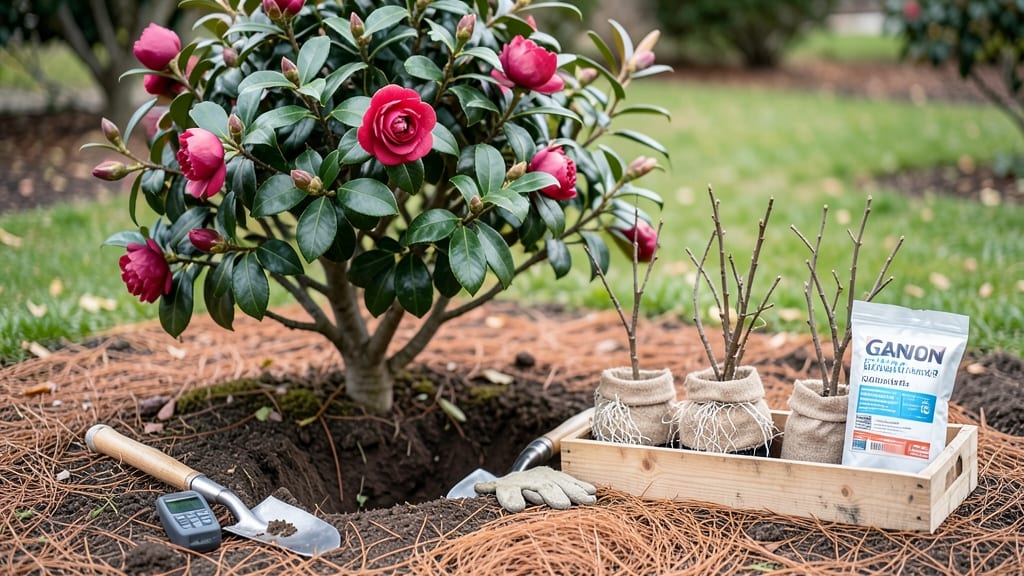
To plant camellias in NC at the right time means choosing between fall or early spring—two windows that set your shrubs up for vibrant blooms and strong roots.
North Carolina’s mild winters and humid summers create the perfect climate for camellias—but planting them at the wrong time can stunt growth or even kill your shrubs.
If you’re in USDA Zone 6b, aim for October to November when soil stays warm but frost isn’t lurking. Gardeners in Zones 7a-8a can also plant in February to March, just as buds begin to swell.
Below, I’ll break down the exact months by zone, soil prep secrets, and how to avoid the most common mistakes—so your 🌸 thrives from day one.
Best planting months for camellias in NC by USDA Zone
North Carolina’s USDA Zones 7a-8b offer perfect conditions for camellias, but timing your planting is critical. These evergreen shrubs thrive when planted during cooler months—either early fall or late winter—when soil temperatures stay above 60°F (15°C) but below 80°F (27°C).
Planting at the wrong time can stress roots, delay blooming, or even kill young plants.
For NC gardeners, the best windows are October-November (fall) or February-March (early spring). Each zone has slight variations due to frost dates and soil warming trends.
Let’s break down the ideal months for Zones 7a, 7b, and 8b to ensure your camellias establish strong root systems before summer heat arrives.
⚠️ Pro Tip: Avoid planting in late summer (August-September) when soil is too hot, or in deep winter (December-January) when frost can damage tender roots.
| USDA Zone | Best Planting Months | Soil Temp Requirement | Avoid Planting | Key Consideration |
|---|---|---|---|---|
| Zone 7a | October 15–November 15 | 60–75°F (15–24°C) | April–June (heat stress) | First frost risk after Nov 1 |
| Zone 7b | October 1–November 30 | 60–78°F (15–26°C) | March–May (variable temps) | Longer growing season |
| Zone 8a | November 1–March 15 | 65–80°F (18–27°C) | July–September (extreme heat) | Warmer winters extend spring window |
| All Zones | February 15–March 15 | 55–65°F (13–18°C) | January (frost risk) | Soil must thaw completely |
In Zone 7a, focus on late October to mid-November to beat the first frost (typically November 1). The soil stays warm enough for root establishment but cools just enough to reduce stress. If you miss fall, wait until mid-February when soil temperatures rise above 55°F (13°C).
For Zone 7b, you have a slightly longer window—plant from early October through November. This zone’s milder winters mean you can push planting into early December if soil remains above 50°F (10°C).
Spring planting in February-March is also ideal, as the last frost usually occurs around March 25.
Zone 8a gardeners enjoy the most flexibility, with planting possible from November through March. The warmer climate allows roots to establish even in winter, but avoid July-September when soil temperatures can exceed 85°F (29°C), causing root burn. Early spring planting (by March 15) ensures blooms the following year.
When planting in fall, aim to finish 4-6 weeks before frost. This gives roots time to anchor before dormancy. For spring planting, wait until soil is workable (no more muddy clumps) and nighttime temperatures stay above 40°F (4°C).
Use a soil thermometer to confirm conditions—camellias hate soggy, cold soil.
Common mistakes include planting too early in spring (risking frost damage) or too late in fall (roots don’t establish before winter). Always check your local Cooperative Extension Service for microclimate adjustments—mountain vs. coastal NC can vary by 2-3 weeks in frost dates.
After planting, mulch heavily (3-4 inches) with pine straw or wood chips to insulate roots and retain moisture. Water deeply once a week for the first month to encourage root spread. With the right timing, your camellias will reward you with lush foliage and stunning blooms for decades.
How to prepare your NC garden for camellia planting success
Camellias thrive in North Carolina’s climate, but they demand the right conditions to flourish. Before planting, your soil pH must be acidic—ideal between 5.5 and 6.5. Test your soil with a kit or send a sample to your local Cooperative Extension Service.
If your soil is alkaline, amend it with sulfur or peat moss months before planting to adjust the pH gradually. Camellias hate alkaline soil, and it can stunt their growth or prevent blooming entirely.
Next, focus on drainage. Camellias despise soggy roots, so avoid low-lying areas where water pools. If your garden has heavy clay soil, mix in compost or sand to improve aeration. Raised beds are another great option for ensuring proper drainage.
A simple test: Dig a hole, fill it with water, and check if it drains within 1-2 hours. If not, amend the soil further.
Planting in late spring or summer stresses camellias, exposing them to heat stress and drought. Even in NC’s mild zones, early fall (October-November) or late winter (February-March) gives roots time to establish before extreme temperatures. Avoid planting when soil temps exceed 75°F—this can shock roots and delay growth.
Mulching is a game-changer for camellias. Apply a 3-4 inch layer of organic mulch, like pine bark or shredded leaves, around the base of your plant. This helps retain moisture and cool roots during NC’s hot summers.
Just keep mulch 6 inches away from the trunk to prevent rot. Replenish mulch annually, especially after heavy rains or in Zone 7a-8a where summers can be intense.
Choose the right companion plants to support your camellias. Pair them with acid-loving plants like azaleas, hydrangeas, or rhododendrons. These thrive in similar conditions and create a lush, cohesive garden bed.
Avoid planting near competitive species like boxwoods or yews, which may steal nutrients and water. Instead, add ground covers like ferns or ivy to suppress weeds and retain soil moisture.
Finally, avoid common pitfalls. Never plant camellias in full sun without afternoon shade, especially in NC’s Zone 8a, where afternoon heat can scorch leaves. Also, skip heavy-handed fertilizing right after planting—wait until spring to encourage new growth.
A light application of acidic fertilizer (like 8-4-8) in early spring will give your camellias the boost they need.
With the right soil prep, drainage, and mulching, your camellias will establish strong roots and reward you with vibrant blooms for years. Happy planting! 🌸