
Plants
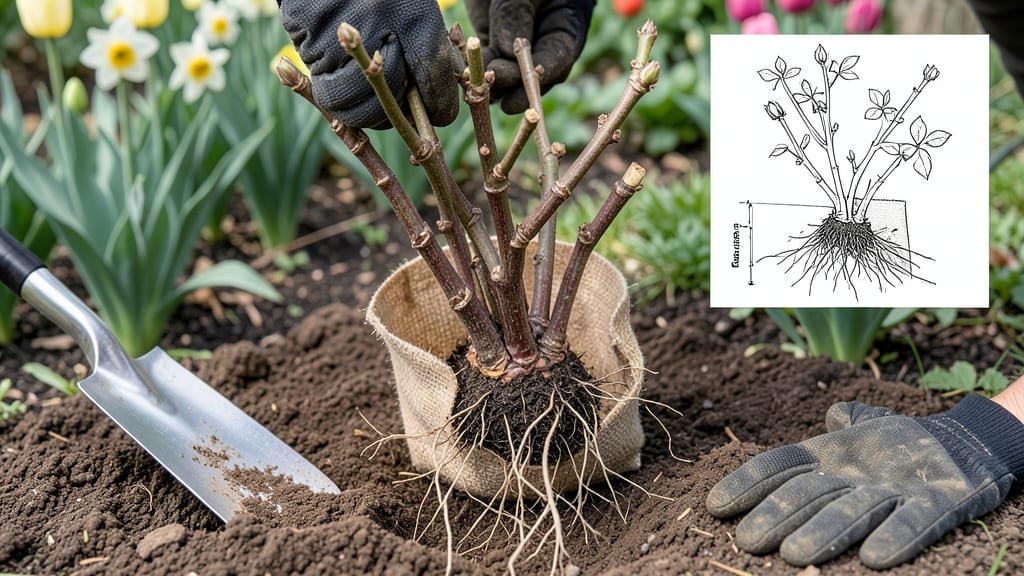
Planting roses in Indiana at the right time means the difference between vibrant blooms and a sad, struggling shrub 🌹—and the clock starts ticking after your last frost.
Indiana’s unpredictable spring weather can make planting roses a gamble—but timing is everything for vibrant blooms that last all season. Whether you’re working with bare-root or container roses, getting them in the ground too early risks frost damage, while waiting too long can stunt their growth before summer hits.
In USDA Zones 5b-6b, the ideal window is early spring (after April 15) or early fall (by October 15), when soil temperatures are cool but stable.
But there’s more to it than just dates—soil prep, rose type, and even your yard’s microclimate play a role in whether your roses thrive or just survive.
Below, I break down the exact months for your zone, how to prep Indiana’s clay-heavy soil, and the 5 signs you’re planting at the wrong time—so you can avoid the mistakes that kill young roses before they even bloom.
Best months to plant roses in Indiana by Zone (5 & 6)
Planting roses in Indiana requires precise timing to beat the state's unpredictable frosts and hot summers. With USDA Zones 5b-6b, your last frost date typically falls around April 15, while the first frost arrives by October 15.
These dates create a narrow window for success, especially for bare-root roses that need cold dormancy.
Northern Indiana (Zone 5b) faces harsher winters with later last frosts, while southern Indiana (Zone 6b) enjoys slightly earlier springs. This difference means your planting dates should shift by 1-2 weeks depending on your location.
For example, Evansville gardeners can plant 2 weeks earlier than those in Gary.
Soil temperature is your best indicator for planting. Roses thrive when soil reaches 50°F (10°C)—warmer than air temperature. Use a soil thermometer to check depth (6 inches down).
In Indiana, this usually happens in mid-to-late April for spring planting, but fall planting requires soil temps above 50°F for 4-6 weeks before frost.
For bare-root roses, the ideal window is early spring (March-April) or early fall (September-October). Potted roses, however, can handle late spring (May) planting as long as they're well-watered during establishment. The key is avoiding heat stress in summer or late frosts that can kill tender new growth.
| Planting Time | Zone 5b (North IN) | Zone 6b (South IN) | Soil Temp | Key Notes |
|---|---|---|---|---|
| Early Spring (Bare-Root) | Mid-April to early May | Late March to mid-April | 50°F+ (10°C+) | Plant after last frost; soak roots 4-6 hrs before |
| Late Spring (Potted) | Early May | Late April | 55°F+ (13°C+) | Avoid midday heat; mulch heavily |
| Early Fall (Bare-Root) | Mid-September | Late September | 50°F+ (10°C+) | Plant 6 weeks before first frost; water deeply |
| Avoid Planting | June-August | June-August | N/A | Heat stress kills young roots; wait for cooler temps |
| Critical Deadline | October 1 (Zone 5b) | October 15 (Zone 6b) | N/A | Last chance for fall planting before winter dormancy |
If you're planting bare-root roses in spring, don't rush—they can sit in a cool, dark place (like your garage) until soil warms. Soak the roots for 4-6 hours before planting to prevent transplant shock. For potted roses, remove the container and loosen roots if they're root-bound.
Fall planting offers cooler soil and less competition from weeds, but roses need time to establish roots before winter. Aim to plant 6-8 weeks before frost—typically mid-September in Zone 5b and late September in Zone 6b. Use mulch 3-4 inches deep to insulate roots during winter.
Watch for false springs—those warm spells in March that fool you into planting early. A late frost can kill tender shoots overnight. Check the Indiana State Climate Office for 30-day forecasts before planting.
How to prepare Indiana soil for roses (before planting)
Indiana’s clay-heavy soil and humid summers create unique challenges for growing roses 🌹. Without proper prep, your plants may struggle with poor drainage, nutrient deficiencies, or heat stress. The key to success? Starting with a well-aerated, nutrient-rich soil that mimics the loose, loamy texture roses crave in their native habitats.
Roses thrive when soil pH sits between 6.0 and 6.5—this range unlocks essential nutrients like phosphorus and iron, which fuel vibrant blooms. Indiana’s native soils often test higher (alkaline), so you’ll likely need to lower the pH with organic amendments.
I’ll walk you through testing, amending, and creating the perfect rose-growing environment tailored to Indiana’s climate.
⚠️ Warning: Indiana’s Late Frosts Can Ruin Your Soil Prep!
Even after testing and amending your soil, planting too early (before April 15) risks frost damage to tender roots. Here’s the rule: Wait until soil temps stay above 50°F for 5+ days—use a soil thermometer to check!
If you prep early, cover amended beds with black plastic mulch to protect your work until planting day.
Start by testing your soil’s pH with a home test kit (available at garden centers for $10–$15). Indiana’s clay soils often test between 7.0 and 8.0, which locks out iron and manganese—two nutrients roses need for lush foliage.
If your pH reads above 6.5, mix in sulfur or peat moss (1–2 pounds per square foot) to gradually acidify the soil over 4–6 weeks.
For drainage, Indiana’s heavy clay can turn into a waterlogged mess after spring rains. Improve aeration by digging in 2–3 inches of compost and 1–2 inches of perlite or coarse sand to break up compacted layers.
Work these amendments into the top 12 inches of soil where roots will establish. For existing clay, consider raised beds—they warm faster in spring and dry out more quickly.
Feed your roses with well-aged compost or cow manure (avoid fresh manure—it burns roots!). Spread a 2–3 inch layer over the planting area and till it in lightly. For extra nutrients, add a balanced organic fertilizer (like 5-5-5) at planting time.
This combo gives roses the phosphorus for roots and potassium for disease resistance they’ll need to thrive through Indiana’s humid summers.
Finally, mulch! A 3–4 inch layer of wood chips or straw keeps soil moist during Indiana’s dry spells (like July–August) and insulates roots in winter. Just keep mulch 2–3 inches away from the stem to prevent rot.
For clay soils, add a thin layer of pine needles—they slowly acidify the soil as they break down, giving you a double benefit for pH management.