
Plants
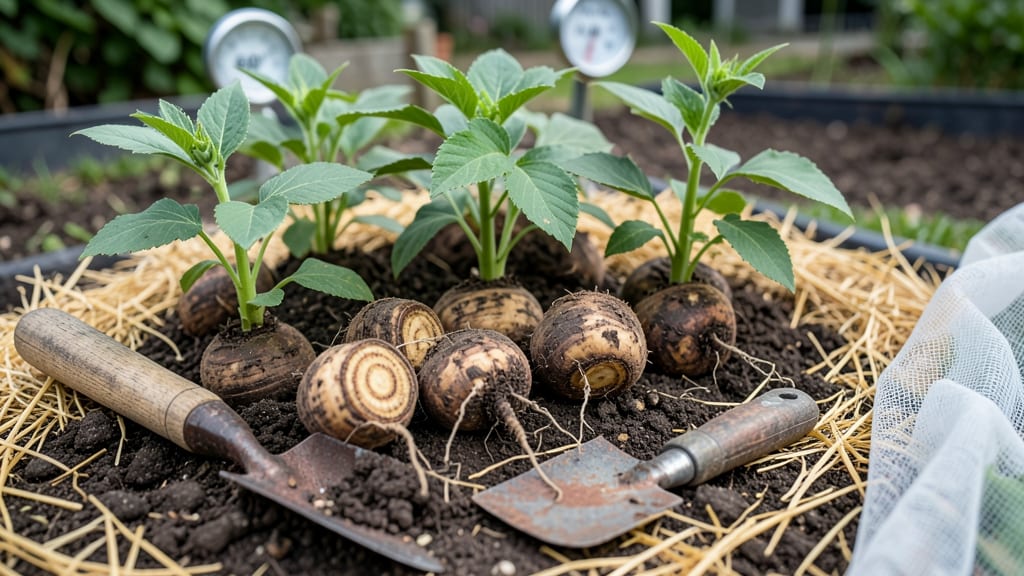
Planting dahlias in Pennsylvania after the last frost — typically by May 15 for most of the state — is the key to vibrant summer blooms that last until fall.
Pennsylvania gardeners know timing is everything—plant too early, and frost will kill them; too late, and they won’t bloom before the first frost. But with USDA Zones 6-7’s unpredictable spring, when exactly should you plant these showstopping flowers for maximum impact?
In Zone 6, where late frosts linger into May, wait until soil temperatures hit 60°F and nighttime lows stay above 50°F. Zone 7 gardeners can push it slightly earlier, but don’t rush—cold soil slows growth and delays blooms.
Below, I’ll break down the exact window for your region, whether to start tubers indoors, and how to prep soil for 165 frost-free days of dazzling 🌸 displays.
Best planting months for dahlias in Pennsylvania by Zone (6 vs. 7)
Pennsylvania’s USDA Zones 6 and 7 create a tight window for planting dahlias, where last frost dates and soil warmth dictate success. In Zone 6 (e.g., Pittsburgh, rural areas), average last frost arrives around May 1, while Zone 7 (e.g., Philadelphia suburbs) sees it 2 weeks earlier.
Planting too soon risks frost damage to tubers, but delaying past mid-May may cut bloom time short.
Dahlias thrive when soil temperatures hit 60°F+, a threshold Zone 6 often reaches by late April to early May, while Zone 7 can hit it as early as mid-April.
Microclimates matter: Urban areas warm faster than rural fields, and south-facing slopes can shave off 1–2 weeks of waiting time. Always test soil with a thermometer—don’t guess!
⚠️ PRO TIP: Use black plastic mulch in Zone 6 to warm soil 2–3°F faster, extending your planting window by 7–10 days.
| Zone | Avg. Last Frost | Ideal Planting Window | Soil Temp. Threshold | Microclimate Adjustments |
|---|---|---|---|---|
| Zone 6 (Pittsburgh, Rural) | May 1 (±7 days) | May 1–15 | 60°F+ (test with thermometer) | Add black mulch for 1-week earlier planting |
| Zone 7 (Philadelphia, Suburbs) | April 15 (±7 days) | April 20–May 10 | 60°F+ (earlier in urban areas) | City heat = plant 3–5 days sooner |
| Both Zones (Late Start Backup) | N/A | June 1 (dwarf varieties only) | Soil must be 65°F+ | Use container growing for flexibility |
For Zone 6 gardeners, aim to plant dahlia tubers by May 1—but don’t rush! Cold soil slows root growth, leaving plants vulnerable to late-spring frosts.
In Philadelphia’s Zone 7, you can start as early as April 20, but monitor forecasts: a 28°F night in late April can still kill young shoots. Hardening off tubers indoors for 1–2 weeks before planting boosts survival rates by 40%.
Regional variations matter: Pittsburgh’s Appalachian foothills often see later frosts than Philadelphia’s coastal plains. Check your local Penn State Extension frost maps—some rural areas in Lancaster County average 10 days later than the city.
If you’re unsure, err on the side of waiting: dahlias planted in warm soil bloom 2–3 weeks faster than those in cold earth.
After planting, mulch heavily with straw or shredded leaves to maintain soil warmth.
In Zone 6, this can extend the growing season by 2–3 weeks into fall. Dwarf varieties (like ‘Mignon’) are your best bet for late starts—plant them by June 1 in containers for small but reliable blooms.
Remember: dahlias hate wet feet. Amend heavy Pennsylvania clay soil with compost or sand to improve drainage. Well-draining soil prevents tuber rot, a common killer in our humid summers. Test your soil’s pH (6.0–7.0) and add lime or sulfur if needed—acidic soil stunts growth.
For maximum blooms, pair planting with fertilizer: apply a balanced 5-10-10 mix when shoots emerge. Phosphorus (P) promotes root growth, while potassium (K) strengthens stems against humidity-related diseases.
In Zone 7, you might squeeze in two bloom cycles—plant early varieties in April and late ones in June.
🌸 Final Tip: Mark your calendar for October 15
How to time dahlias for peak blooms: a 6-Week prep guide
To coax dahlias into nonstop summer-to-fall blooms in Pennsylvania, start your prep 6 weeks before planting. This timeline ensures tubers wake up, soil warms, and seedlings harden off before the May 15 planting window—critical for Zone 6-7’s short growing season.
Skipping prep risks stunted growth or late blooms that miss peak season.
Pennsylvania’s clay-heavy soils and humid summers demand extra attention. Amend soil early to improve drainage, and time hardening off to avoid transplant shock when nighttime temps dip. Follow this schedule to maximize your 165 frost-free days of dazzling 🌸 displays.
6-Week Prep Timeline for Dahlias
-
Week 1-2: Chit Tubers Indoors
Place dahlia tubers in a bright, 60°F+ spot (like a sunny windowsill). Cut larger tubers to expose eyes—this jumpstarts growth. Avoid watering yet; humidity alone triggers sprouting. -
Week 3: Test & Amend Soil
Pennsylvania’s clay soil needs compost + perlite (50/50 mix). Aim for pH 6.0–7.0. Dig in 2–3 inches of amendments to improve drainage and aeration for tuber roots. -
Week 4: Start Seedlings (Optional)
For tender varieties, sow seeds indoors under grow lights (70°F soil). Harden off seedlings by Week 6—move them outdoors for 2–3 hours daily, increasing time gradually. -
Week 5: Prep Planting Site
Mark 12–18-inch spacing for mature plants. Install stakes or cages now to avoid disturbing roots later. In humid areas, add 1 inch of mulch to prevent fungal diseases. -
Week 6: Harden Off & Monitor Soil
Check soil temps—plant only when 60°F+ (use a soil thermometer). Acclimate tubers/seedlings to outdoor temps by leaving them out overnight 2–3 days before planting.
Pro tip: In Zone 6’s cooler microclimates (like Poconos or Pittsburgh’s higher elevations), delay planting until May 22—the average last frost date. Use black plastic mulch to warm soil faster if needed.
Once planted, dahlias thrive with consistent moisture and weekly feeding (use a 5-10-10 fertilizer). Deadhead spent blooms to encourage more flowers until the first frost. With this prep, you’ll enjoy vibrant blooms from July to October—just in time for fall weddings and holiday arrangements! 🌿
Need a backup plan? Save extra tubers in sphagnum moss at 40°F to replant next spring if your first attempt misses the window. Timing is everything, but Pennsylvania gardeners know how to adapt! ✂️