
Plants
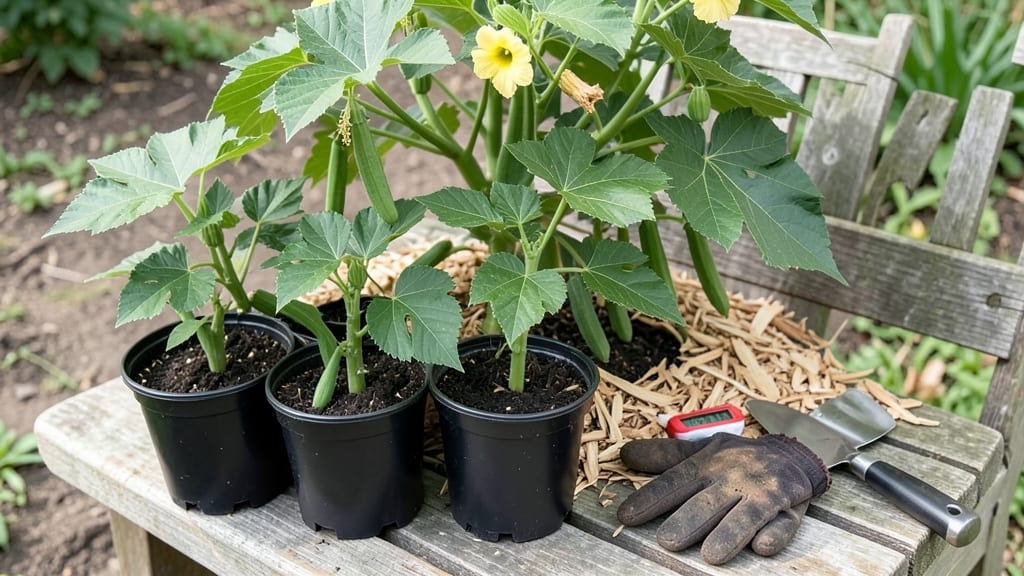
Planting okra 🌱 in Kansas after the last frost—typically mid-May to early June—sets the stage for a harvest that stretches from July through October.
If you’ve ever watched your okra seedlings wilt under a late spring frost or bolt in the heat, you know timing is everything. In USDA Zone 6, where Kansas falls, getting it wrong can mean the difference between tender pods and tough, seedy disappointments.
This guide breaks down the exact months to plant, how to adjust for Kansas’ microclimates, and the soil temperature tricks that keep your okra thriving—even when the weather plays tricks.
You’ll learn how to avoid common mistakes, extend your harvest, and pick pods at their peak for the best flavor and texture.
Best planting months for okra in Kansas (zone 6) and how to time it perfectly
Okra thrives in Kansas’ warm summers, but planting too early risks frost damage while waiting too late cuts harvest time short. In USDA Zone 6, your ideal window is late May to early June when soil temperatures consistently hit 70°F+.
This heat-loving crop needs warmth to germinate quickly—cold soil slows growth and invites pests like aphids.
Kansas’ last spring frost typically arrives around April 15, but don’t rush planting. Okra seeds won’t germinate below 60°F, and young plants struggle in 50°F nights.
Waiting until mid-May ensures your plants establish roots before summer’s 90°F+ heat spikes—a critical factor for tender pods and high yields.
Here’s your Kansas okra planting timeline broken down by key factors: frost risk, soil warmth, and heat tolerance. Use this to adjust for your specific microclimate (e.g., Wichita’s urban heat vs. rural cooler zones).
Northern Kansas (e.g., Salina, Hays) has cooler microclimates and may need to plant 1–2 weeks later than southern cities like Wichita or Topeka. Check your local frost dates via the [Kansas State University Ag Weather Network](https://mesonet.k-state.edu/) to fine-tune timing.
For example, Hays’ last frost averages May 10, so aim for early June planting there.
If you’re starting seeds indoors, begin them 4–6 weeks before your target outdoor date (early May) using grow lights or a sunny windowsill. Seedlings need warmth to thrive—keep trays on a heat mat (70–80°F) until transplanting.
Harden off seedlings for 7–10 days before moving them outside to avoid transplant shock from Kansas’ fluctuating spring temps.
Okra’s rapid growth (1–2 inches per day in ideal conditions) means timing matters. Plant direct-sown seeds 1 inch deep, spaced 12–18 inches apart in rows 3 feet apart.
This spacing prevents overcrowding, which leads to poor air circulation and fungal diseases like powdery mildew—common in Kansas’ humid summers.
Watch for soil warmth cues: Press your hand into the soil—if it feels warm to the touch (like a sunny sidewalk), it’s ready. In dry years, water beds deeply 2–3 days before planting to raise soil temps faster.
Okra hates soggy soil, so ensure well-draining loam with compost added for fertility.
Pro tip: Succession plant every 2 weeks through mid-July to stretch harvests. This works especially well in southern Kansas, where summers last longer. Varieties like ‘Clemson Spineless’ (55 days) or ‘Emerald’ (60 days) are heat-tolerant and perfect for Kansas’ climate.
Remember: Okra’s pods toughen quickly—harvest when they’re 2–3 inches long for the best texture. By planting in late May–early June, you’ll enjoy fresh pods from July through September, just as Kansas’ summer heat peaks—giving you tender, homegrown okra at its finest. 🌱
How to extend okra’s growing season in Kansas for longer harvests
Okra thrives in Kansas’ warm summers, but the growing season feels short when sudden cold snaps hit by early October. The key to longer harvests lies in strategic planning—like choosing heat-tolerant varieties and using season-extending tools to protect tender plants.
With the right approach, you can push your okra harvest well into fall’s early weeks when most gardeners have already packed up their tools.
One of the easiest ways to extend your harvest window is by selecting late-maturing varieties like ‘Clemson Spineless’, which can produce pods for 60+ days after planting.
Pair this with succession planting every 2-3 weeks starting in early June, and you’ll have a staggered harvest that keeps your kitchen stocked until mid-October. This method works especially well in USDA Zone 6b, where frost can arrive unexpectedly.
🌱
- 1 Start with row covers in late April to warm soil faster and give early okra plants a 2-week head start. Remove covers once plants reach 6 inches tall to prevent overheating.
- 2 Plant ‘Clemson Spineless’ in early June for a late-season harvest. This variety tolerates 85°F+ temperatures and produces pods until first frost.
- 3 Use black plastic mulch to retain soil heat and delay frost damage by 10-14 days. Lay it down 2 weeks before your average first frost date.
- 4 Harvest aggressively in September to stimulate new pod growth. Remove all mature pods (2-3 inches) to encourage prolonged production before cold sets in.
- 5 Protect plants with frost cloth when night temps drop below 50°F. Secure it loosely over plants to allow airflow while trapping heat—remove during daylight hours to prevent overheating.
If you’re planting okra in northern Kansas (Zone 5b), where frost arrives earlier, focus on succession planting and row covers to maximize your window. Begin sowing seeds indoors in late April under grow lights, then transplant outdoors after the last frost date (typically May 15).
This early start gives you a 6-8 week head start on the season.
For gardeners in southern Kansas (Zone 7a), where the growing season lasts longer, you can afford to plant okra in early May and harvest until November with minimal protection.
Here, black plastic mulch and drip irrigation are your best tools to maintain soil warmth and consistent moisture during late-season heat waves.
Don’t forget to monitor weather forecasts closely in September. If a hard freeze (below 28°F) is predicted, cover your okra plants with burlap sacks or frost blankets to buy extra time. Even a 24-hour delay can mean the difference between tender pods and frost-damaged plants.
With these strategies, you’ll enjoy fresh okra pods well past Labor Day—when most neighbors are already dreaming of next year’s garden! 🌿