
Plants
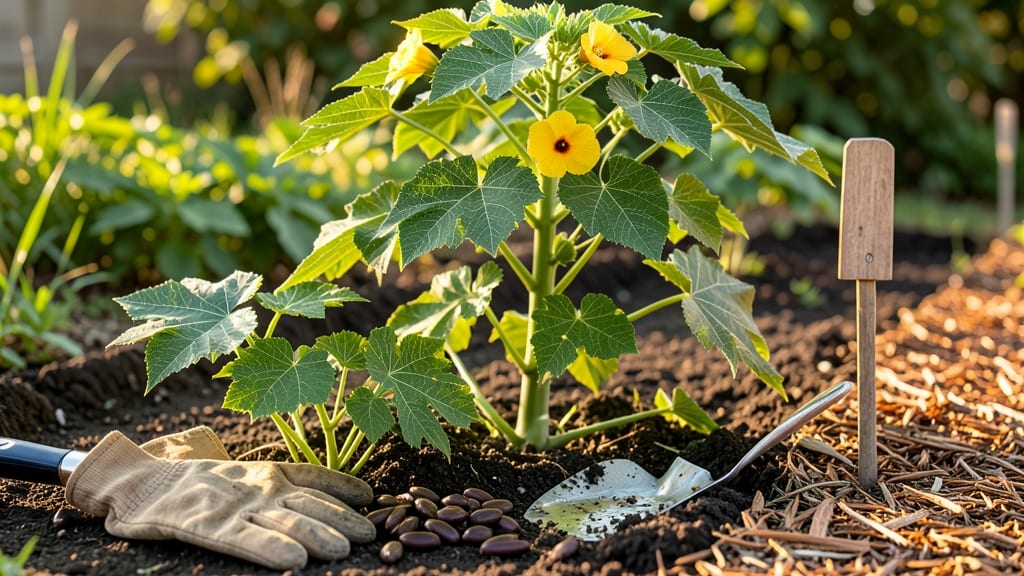
Planting okra in Virginia after your last frost — typically late April to early June — is your best shot at a thriving summer harvest.
But here’s the catch: those warm Virginia summers are perfect for okra, but planting too early can leave your plants struggling with frost, while waiting too long may shorten your harvest. Timing is everything, and understanding your hardiness zone and last frost dates is the key to a bountiful crop.
Okra thrives in the heat and loves the long growing season Virginia offers, but it’s not frost-tolerant. In zones 6a-8a, soil temperatures need to hit at least 60°F before you even think about planting.
That usually means waiting until after Mother’s Day, unless you’re in the southernmost parts of the state.
Below, I’ll walk you through the exact planting windows for your zone, the best varieties for Virginia’s climate, and how to avoid common mistakes that can turn your okra into a flop. Let’s get those 🌱 pods growing!
Virginia’s okra planting calendar: frost dates & hardiness zones (5a-8a)
Okra thrives in Virginia’s hot summers, but getting the timing right is crucial. Since okra is a heat-loving annual that won’t tolerate frost, planting too early risks cold damage, while waiting too late cuts your harvest short.
Most varieties need 60-90 days from seed to harvest, so aligning your planting window with your last frost date and USDA zone ensures a productive garden. Let’s break down the ideal planting calendar for Virginia’s zones 5a-8a.
Virginia spans multiple USDA hardiness zones, with 5a in the mountains to 8a in the Tidewater region. Each zone has slightly different last frost dates, which directly impact your okra planting timeline.
For example, zone 5a gardeners typically wait until late May, while zone 8a can start as early as late April. Understanding these differences helps you calculate your frost-free growing season and plan accordingly.
Okra seeds should only be planted when soil temperatures reach at least 60°F (15°C). In Virginia, this usually aligns with late April to early June, depending on your zone.
A simple soil thermometer can help you confirm readiness. If you’re unsure about your exact last frost date, local cooperative extension offices or weather stations provide reliable data for your county.
| USDA Zone | Last Frost Date | Ideal Planting Window | Harvest Window | Notes |
|---|---|---|---|---|
| 5a (Mountains) | Mid-April | Late May to early June | Late July to early October | Shorter season; consider fast-maturing varieties |
| 6a (Piedmont) | Early April | Late April to mid-May | June to September | Balanced season; good for most varieties |
| 7a (Central) | Late March | Early to mid-May | May to October | Longer season; can plant in early spring or late summer |
| 8a (Tidewater) | Early March | Late April to early June | June to November | Extended season; can experiment with fall planting |
While spring planting is the most common approach, Virginia’s zone 7a and 8a gardeners can also try a late summer or fall planting for a second harvest.
For fall plantings, aim to sow seeds by mid-July to early August, giving okra enough time to mature before the first frost in October. This works best in warmer zones where the frost-free period extends into late fall.
To calculate your frost-free period, subtract your last frost date from your first frost date. For example, in zone 7a, with a last frost around April 15 and first frost around October 15, you have roughly 180 frost-free days.
Since okra needs 60-90 days to harvest, you can fit one or even two plantings into this window if you choose fast-maturing varieties.
If you’re in zone 5a or 6a with a shorter growing season, opt for early-maturing varieties like Clemson Spineless, which can be ready in as few as 50 days.
In warmer zones like 7a and 8a, you have more flexibility to experiment with longer-season varieties or even try succession planting every 2-3 weeks for a continuous harvest.
Remember, okra seeds do not transplant well, so direct sowing is always best. Harden off your seeds by planting them in biodegradable pots a few weeks before your target date, then transplant the entire pot into the ground.
This reduces shock and improves survival rates. Mulch around your plants with straw or grass clippings to retain moisture and regulate soil temperature, which is especially helpful during Virginia’s hot, humid summers.
Monitor your okra plants closely for signs of stress, such as yellowing leaves or stunted growth, which may indicate heat stress or nutrient deficiencies.
In Virginia’s climate, okra can also face challenges like powdery mildew or aphids, so keep an eye out for pests and treat them promptly with neem oil or insecticidal soap.
With the right timing and care, your okra plants will reward you with a bountiful harvest of tender pods perfect for stir-fries, gumbo, or grilling. Start planning now, and you’ll be well on your way to enjoying homegrown okra straight from your Virginia garden! 🌱
Heat-loving okra varieties best for Virginia’s climate & soil conditions
Virginia’s hot, humid summers create the perfect environment for growing okra, but not all varieties thrive equally in our USDA zones 5a-8a. The right variety can mean the difference between a bountiful harvest and a struggling plant.
I’ve grown Clemson Spineless, Emerald, and Red Burgundy in my garden, and these three stand out for their heat tolerance and adaptability to Virginia’s clay-heavy or sandy soils.
For sandy soils common in coastal Virginia, Clemson Spineless is my top pick. This variety handles poor drainage better than most and produces smooth, spineless pods that are perfect for fresh eating or cooking.
In my Zone 7a garden, it consistently yields pods in 55-60 days, even when summer temperatures hit 95°F+.
Emerald okra is another fantastic choice, especially for gardeners in Western Virginia’s clay-heavy soils. This variety is disease-resistant and thrives in compacted soil, making it ideal for areas with limited tilling options. The pods stay tender longer, giving you a longer harvest window—critical in Virginia’s short growing season.
If you’re looking for something visually striking, Red Burgundy okra brings a deep burgundy hue to your garden while delivering excellent heat tolerance. This variety performs well in both sandy and clay soils and has a slightly sweeter taste than green okra.
I’ve noticed it handles Virginia’s humidity better than traditional green varieties, reducing the risk of powdery mildew.
| Variety | Days to Maturity | Best Soil Type | Key Feature | Disease Resistance |
|---|---|---|---|---|
| Clemson Spineless | 55-60 | Sandy/Loamy | Spineless pods | Moderate |
| Emerald | 50-55 | Clay/Loamy | Tender pods | High |
| Red Burgundy | 60-65 | Sandy/Clay | Burgundy pods | Good |
Before planting, prepare your soil by amending clay-heavy areas with compost or sand to improve drainage. For sandy soils, mix in organic matter like peat moss or aged manure to retain moisture.
Okra thrives in well-draining soil with a pH between 6.0 and 6.8, so test your soil before planting to avoid nutrient deficiencies.
All three varieties I’ve recommended are drought-tolerant once established, but they still need consistent watering during their first few weeks. Mulch around the base of your plants with straw or wood chips to retain moisture and suppress weeds.
In my experience, Red Burgundy benefits the most from mulching due to its deeper root system.
For gardeners in Northern Virginia (Zones 5a-6a), consider starting seeds indoors 4-6 weeks before the last frost date and transplanting after soil temperatures reach 60°F.
In Southern Virginia (Zones 7a-8a), you can plant directly in the ground as early as late April, but wait until mid-May for the best results and a longer harvest season.