
Plants
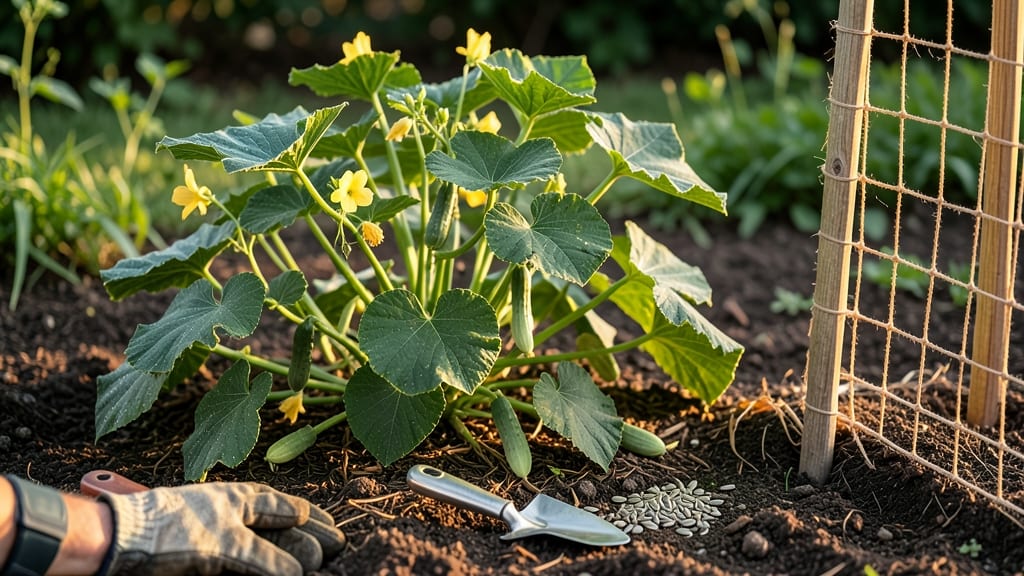
Planting cucumber seeds in Missouri at the right time means the difference between a bountiful harvest and a sad, frost-nipped vine 🥒.
Missouri gardeners know timing is everything—plant cucumbers too early and frost will strike, too late and your harvest will suffer. But with USDA Zones 5b-6b’s unpredictable springs, when exactly should you sow those seeds for maximum yield?
Most gardeners aim for mid-April to early June, but soil temperature and last frost dates shift yearly. The key is waiting until the ground hits 60°F and all frost risk has passed—usually after April 15 in most of the state.
In this guide, I’ll break down the exact week-by-week dates for your zone, whether to start indoors or direct-sow, and how to adjust for late frosts or heat waves. Let’s get those cucumbers growing!
Missouri cucumber planting calendar: exact week-by-week dates by last frost date
Cucumbers thrive in Missouri’s warm summers, but getting them in the ground at the right time means the difference between a bountiful harvest and wasted seeds.
The key is planting after your average last frost date—typically between April 15 and May 10—when soil temperatures hit at least 60°F. In Zone 5, cooler springs delay planting, while Zone 6 gardeners can start earlier.
Let’s break it down week by week to ensure you don’t miss your planting window.
Missouri’s frost-free season spans roughly 165 days, giving cucumbers enough time to mature before the first frost in mid-October. However, late springs can push planting dates into early June. For direct-sown seeds, wait until the soil is consistently warm—cold soil slows germination and invites disease.
If you’re starting indoors, begin seeds 3-4 weeks before your target outdoor planting date to give seedlings a head start.
Here’s your week-by-week planting schedule, tailored to Missouri’s Zone 5 and 6 variations, with backup dates for late frosts:
For Zone 5 gardeners, the April 22–May 7 window is your best bet for direct sowing. If you’re transplanting seedlings, aim for May 1–14 to avoid shock.
In Zone 6, you can start as early as April 1, but always confirm soil warmth with a soil thermometer—cucumbers won’t germinate below 60°F. Pro tip: Plant bush varieties like ‘Bush Champion’ earlier, as they tolerate cooler soils slightly better than vining types.
Missouri’s unpredictable spring weather can throw off even the best-laid plans. If frost threatens after planting, cover seedlings with frost blankets or row covers until temperatures stabilize. For late starts, consider succession planting every 2 weeks through early June to stagger your
How to adjust cucumber planting dates for Missouri’s unpredictable weather
Missouri’s unpredictable spring weather can turn cucumber planting into a guessing game. One week you’re celebrating 60°F soil temps, and the next, a surprise frost threatens your tender seedlings. The key is flexibility—adjusting your planting timeline based on real-time conditions rather than relying solely on average frost dates.
I’ve learned the hard way that row covers and cold-hardy varieties can buy you an extra 2-3 weeks of planting time. Even if your local forecast calls for a late frost, these strategies let you push cucumber seeds into the ground earlier or extend your harvest into fall.
Let’s break down how to calculate your safe transplant window and protect your plants when Mother Nature throws curveballs.
- 1. Use a soil thermometer—plant cucumbers only when soil reaches 60°F+ at 2-inch depth. In Missouri, this usually means waiting until mid-May in Zone 5 or late April in Zone 6.
- 2. Start seeds indoors 3-4 weeks before your last frost date (April 15 in most of Missouri) to have transplant-ready seedlings when conditions improve.
- 3. Extend spring planting with floating row covers—they raise soil temps by 2-5°F and protect seedlings from light frosts (28°F).
- 4. Choose cold-tolerant varieties like ‘Cool Breeze’ or ‘Straight Eight’—they handle 50°F nights better than standard types.
- 5. Plan for late frosts—use black plastic mulch to warm soil faster or plant near south-facing walls for microclimate protection.
- 6. Succession plant every 2 weeks from May through June—this ensures a continuous harvest even if early plantings fail.
- 7. Monitor the 10-day forecast—if a hard freeze (25°F) is predicted, cover plants with burlap or frost cloth.
If you’re in Zone 5 (northern Missouri), aim to have cucumbers in the ground by May 10. The risk of frost drops dramatically after this date, and your plants will have 100+ frost-free days to mature.
In Zone 6 (southern Missouri), you can push seeds into the soil as early as April 20, but always verify soil temps first.
For emergency frost protection, I’ve had success with cloche tunnels made from PVC pipes and plastic sheeting. These create a mini greenhouse effect and can raise temperatures by 10-15°F overnight.
Pair this with a drip irrigation system set to run in the early morning—consistent moisture helps plants recover faster from cold snaps.
Don’t forget about fall planting! In Missouri, you can often squeeze in a second cucumber crop by sowing seeds in late July. Choose fast-maturing varieties (50-55 days) like ‘Bush Champion’ and use row covers to extend the season until the first frost (usually mid-October).
This gives you a second harvest just as summer’s bounty begins to wane.
Pro tip: Keep a gardening journal to track your local microclimate. Note when your soil actually warms up, how long row covers protect seedlings, and which varieties perform best in your area. Over time, you’ll refine your planting schedule to match your specific corner of Missouri—not just the averages.