
Plants
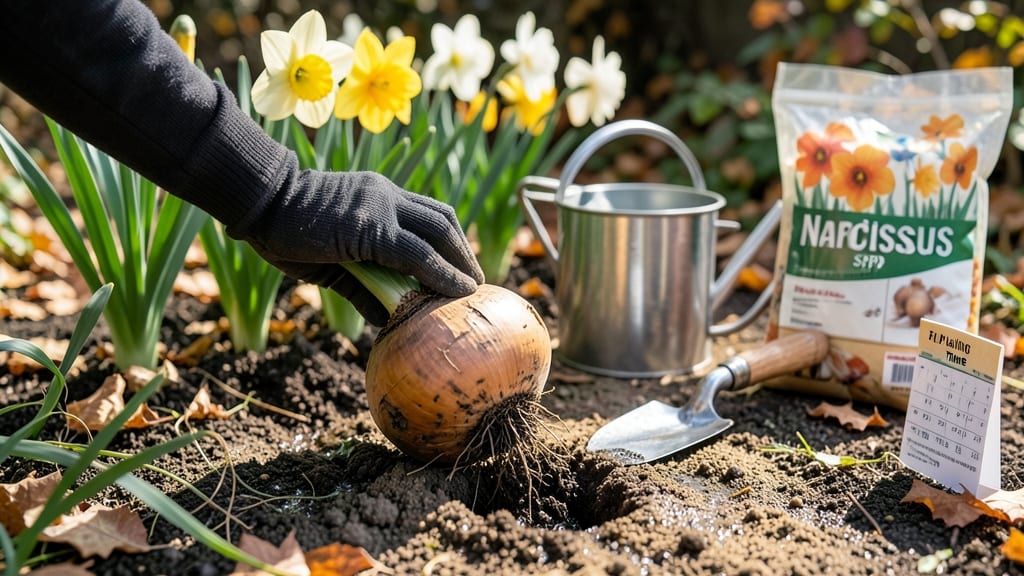
To plant daffodil bulbs in Zone 9, aim for late fall through early winter—October through December—when soil cools and summer heat fades.
Zone 9 gardeners know the struggle—planting daffodil bulbs too early risks rot, while waiting too long can stunt blooms. Timing is everything for vibrant spring flowers that thrive in warm climates.
Daffodils 🌼 need cooler soil temperatures (50-60°F) to establish roots before spring’s heat arrives. In Phoenix or the Southern California desert, this means planting 6-8 weeks before blooming season—usually November or early December.
Below, I’ll walk you through the exact months, soil prep tricks, and spacing secrets to ensure your bulbs survive the heat and deliver bold, long-lasting blooms next spring.
Optimal planting months for daffodils in Zone 9: avoiding heat stress and rot
In Zone 9, daffodil bulbs need cooler soil temperatures to establish roots before summer heat arrives. Planting too early risks rot, while waiting too late can stunt blooms.
The ideal window is October through December, when soil temps drop to 50-60°F—perfect for root growth. This timing ensures vibrant spring blooms without summer stress.
Unlike cooler climates, Zone 9 gardeners don't have to worry about frost, but heat stress is the real enemy. Daffodils planted in summer or early fall (June-September) often rot because the soil stays too warm. The key is planting when daytime temps consistently dip below 85°F.
Here’s why November-December is your best bet: cooler nights help roots establish before summer’s return. Bulbs planted in late October can still work if soil temps are dropping, but November is the safest month for most of Zone 9.
For Zone 9b gardeners in areas like Phoenix or Palm Springs, November 1st is my personal deadline. By then, daytime highs usually drop below 80°F, and evening temps dip into the 50s. This gives bulbs 6-8 weeks of ideal root growth before summer’s return.
If you’re in coastal Zone 9 (e.g., San Diego), you can push planting to early December. The ocean breeze keeps soil cooler longer, but still aim for soil temps below 65°F. Use a soil thermometer to check—this is your best tool for success.
One common mistake? Planting in September because "it’s fall." But Zone 9’s September soil is often still 85-95°F, which causes bulbs to rot before roots form. Wait until afternoon temps consistently stay below 85°F—usually late October.
Pro tip: Mulch heavily after planting (2-3 inches of straw or wood chips) to insulate bulbs from daytime heat and nighttime cold. This mimics the cooler soil conditions daffodils need to thrive. In desert Zone 9, mulch also prevents moisture loss from hot, dry winds.
Remember, daffodils are hardy perennials, but their first year sets the stage for future blooms. Planting at the right time in Zone 9 means stronger roots, bigger blooms, and longer-lasting plants. Don’t rush—patience pays off with vibrant spring color year after year. 🌼
Zone 9-Specific daffodil varieties that bloom reliably (and when to plant them)
Not all daffodils thrive in Zone 9's hot summers and mild winters. The key is choosing heat-tolerant varieties that bloom early or late to avoid peak temperatures. 'Ice Follies' and 'Tête-à-Tête' are my top picks for reliable blooms in Phoenix or Southern California.
These varieties also handle Zone 9's extended growing season better than traditional European daffodils. Planting timing shifts slightly—November to early December ensures bulbs establish roots before spring heat arrives.
Below, I’ve compared three standout varieties with their ideal planting windows and bloom times to help you plan your garden calendar.
| Variety | Planting Window | Bloom Time | Height | Heat Tolerance |
|---|---|---|---|---|
| 'Ice Follies' | November-December | Early March | 12-18 inches | High (dwarf, compact) |
| 'Tête-à-Tête' | Late November | Late February-March | 8-10 inches | Very High (miniature) |
| 'Carlton' | December | Mid-March | 18-24 inches | Moderate (tall, needs shade) |
'Ice Follies' is my go-to for early spring color in Zone 9. Its dwarf stature (12-18 inches) makes it perfect for borders or containers, and it blooms just as winter fades into spring. Plant these 6-8 weeks before blooming—typically by late November.
'Tête-à-Tête' is a miniature powerhouse that thrives in heat. These tiny bulbs (8-10 inches tall) bloom later, avoiding the worst of Zone 9’s summer heat. Plant them in late November for a February-March show when other plants are still dormant.
For a mid-spring statement, try 'Carlton'. This variety handles Zone 9’s heat better than traditional daffodils but still needs partial shade in afternoon to prevent wilting. Plant these in December for blooms in mid-March, just as summer approaches.
Pro tip: In Zone 9's dry climate, mulch newly planted bulbs with 2-3 inches of straw to retain moisture and regulate soil temperature. This helps bulbs establish roots faster, even in hotter-than-average winters.