
Plants
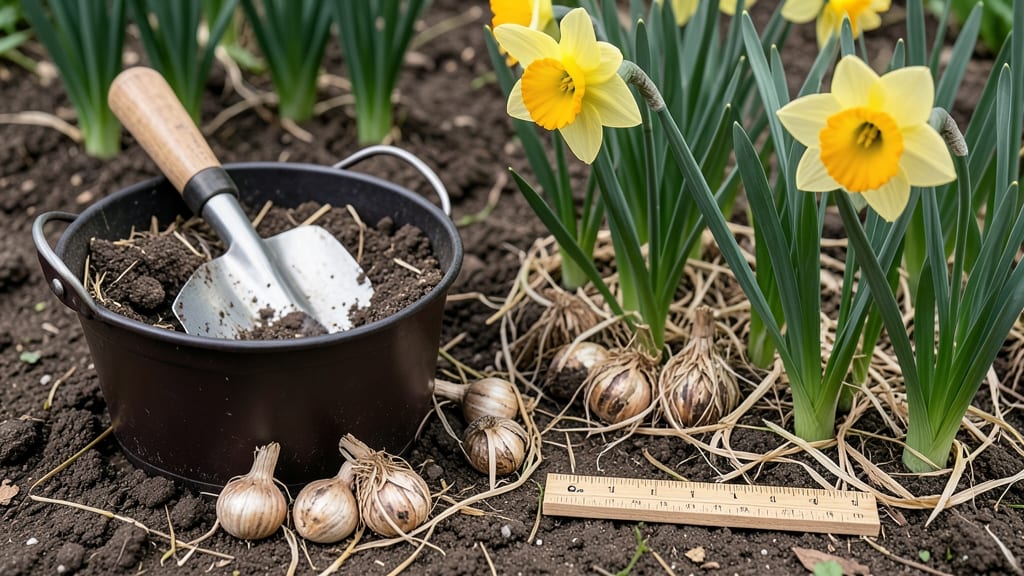
Planting daffodil bulbs in Indiana during fall ensures they’ll thrive and bloom boldly in spring, with October through November being the ideal window for Zone 6a gardeners.
Indiana gardeners know that timing is everything when it comes to planting daffodil bulbs—get it right, and you’ll enjoy vibrant spring blooms for years; get it wrong, and you might miss the window entirely.
With Indiana’s Zone 5-6 climate, knowing exactly when to plant these hardy bulbs can mean the difference between a showstopping display and a wasted effort. The key is to plant them 4-6 weeks before the ground freezes, allowing roots to establish before winter sets in.
In this guide, I’ll walk you through the best months for planting, how to prepare your soil, and common mistakes to avoid so your 🌼 daffodils flourish year after year.
Best planting months for daffodils in Indiana’s Zone 5-6 climate
Indiana’s Zone 5-6 climate creates a perfect window for planting daffodil bulbs, but timing is critical. These hardy perennials thrive when planted in fall, allowing roots to establish before winter dormancy.
The ideal window spans from mid-October to mid-November, but regional microclimates—like northern Indiana’s colder temperatures—can shift deadlines by weeks.
For southern Indiana gardeners, late September to early November works best, while northern regions should aim for October 15 to November 15. Planting too early risks rot, while waiting too long may prevent root growth before frost.
The key is soil temperatures dropping below 60°F (15°C)—this signals it’s time to plant.
Spring planting is possible but less ideal. If you miss fall, aim for early March to mid-April, after the last frost date (typically April 15 in most of Indiana). However, spring-planted bulbs may bloom 6-8 weeks later than fall-planted ones, delaying that cheerful spring display.
Indiana’s first frost date (around October 15) marks the deadline for fall planting. Use this as your cutoff—bulbs need 4-6 weeks to establish roots before winter. For northern Indiana, this means plant by November 1; southern regions can extend to November 15.
Pro tip: Use a soil thermometer to monitor temperatures. Once soil drops to 50°F (10°C), it’s time to plant. In colder northern areas, this might happen as early as late September, while southern Indiana may wait until October. Adjust your schedule accordingly.
For container gardening, follow the same rules but ensure pots have drainage holes. Plant bulbs 6 inches deep (twice their height) in well-draining potting mix. Containers warm up faster in spring, so spring planting may yield earlier blooms—but fall remains the gold standard for consistency.
Mulch after planting to insulate bulbs and protect against freeze-thaw cycles. Use 2-3 inches of straw or shredded leaves, removing it in early spring to prevent rot. This extra layer helps bulbs survive Indiana’s winter temperature swings, which can fluctuate from 20°F (-7°C) to 50°F (10°C).
If you’re unsure about your local frost dates, check the Indiana State Climate Office or use a frost date calculator. For most of Indiana, October 15 to November 15 is your sweet spot. Planting outside this window risks bulb rot (too early) or poor root growth (too late).
Remember: Daffodils are deer-resistant, making them a smart choice for Indiana gardens where deer browsing is common. Once established, they’ll multiply and naturalize, creating stunning spring displays with minimal effort. Just get that timing right!
How to prepare Indiana soil for daffodil bulbs: a step-by-step guide
Indiana’s soil can be tricky for daffodil bulbs—whether you’re dealing with clay-heavy soil in the northern regions or sandy loam in the south, proper preparation ensures your bulbs thrive. Daffodils prefer well-draining soil with a pH between 6.0 and 7.0, which is common in Indiana but often needs adjustment.
Without the right prep, your bulbs may rot, fail to bloom, or become vulnerable to Indiana’s pesky voles and squirrels.
The key to success lies in amending the soil before planting, testing for drainage issues, and protecting your investment from local pests. I’ve planted daffodils in both clay soil near Fort Wayne and sandy gardens in southern Indiana, and these steps have consistently delivered vibrant spring blooms.
Let’s get your soil ready for those 🌼 daffodil bulbs to shine.
Step-by-Step Soil Prep for Indiana Daffodils
-
Step 1: Test Your Soil
Use a soil pH test kit (available at garden centers) to check your soil’s acidity. Indiana’s native soils often test between 5.5 and 6.5. If your soil is below 6.0, add lime to raise the pH. For above 7.0, mix in sulfur or peat moss. -
Step 2: Improve Drainage
Daffodils hate soggy soil. In clay-heavy areas, mix in 2-3 inches of compost or coarse sand to break up compaction. For sandy soil, amend with organic matter like leaf mold or well-rotted manure to retain moisture. -
Step 3: Add Organic Amendments
Work in 3-4 inches of compost or aged manure into the top 12 inches of soil. This provides nutrients and improves soil structure. Avoid fresh manure, as it can burn bulb roots. -
Step 4: Loosen the Soil
Use a garden fork or tiller to loosen the soil to a depth of 12 inches. This helps roots penetrate easily and prevents waterlogging. Break up any clay clumps to improve aeration. -
Step 5: Protect from Pests
Indiana’s voles and squirrels love daffodil bulbs. After planting, cover the area with hardware cloth (1/4-inch mesh) or use repellent granules like castor oil-based products. Mulch with straw or pine needles to deter digging. -
Step 6: Water Deeply
After planting, water the soil deeply to settle the bulbs and encourage root growth. Keep the soil moist but not waterlogged until the ground freezes. Avoid overwatering, which can rot bulbs in heavy clay.
One common mistake I’ve seen in Indiana gardens is skipping the soil test and assuming the soil is ready. Clay soil, in particular, can become waterlogged if not amended properly, leading to bulb rot.
Always take the time to test and adjust—your daffodils will thank you with bold, healthy blooms next spring.
If your garden has poor drainage, consider planting daffodils in raised beds or on a slight slope to encourage water runoff. This is especially important in northern Indiana, where heavy rains can saturate the soil.
A well-prepared bed will give your bulbs the best chance to survive winter and thrive in spring.
Finally, remember that daffodils are perennials, meaning they’ll return year after year if cared for properly. By following these steps, you’ll create an ideal environment for your bulbs to establish strong roots and bloom beautifully for seasons to come. Happy planting! 🌱