
Plants
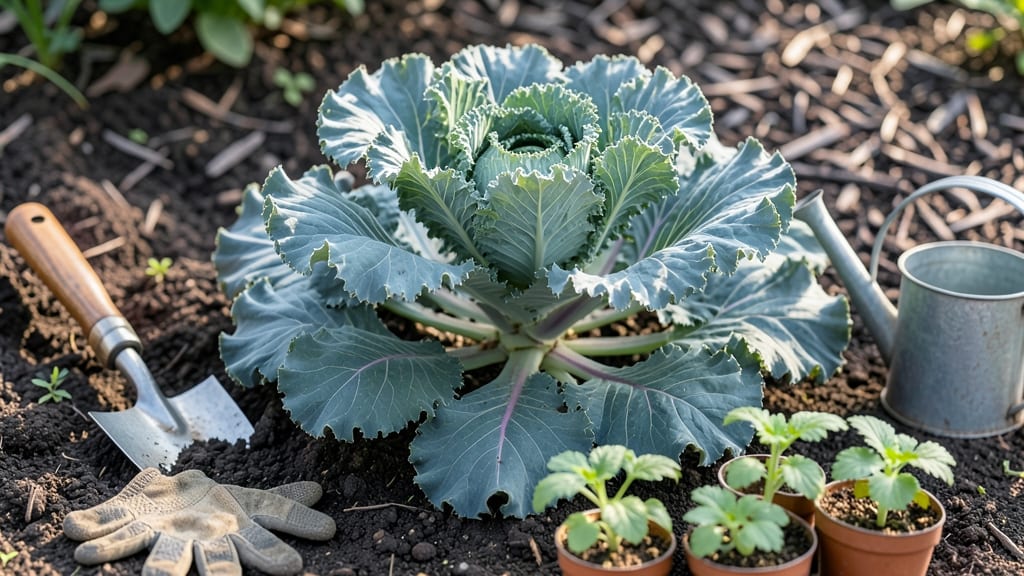
To plant kale in Southern California, aim for September through November for fall harvests or February to March for spring crops, when temperatures stay mild and avoid summer heat stress.
Growing kale in Southern California’s hot summers can be tricky—but with the right timing and heat-resistant varieties, you’ll enjoy crisp, flavorful harvests year-round.
Coastal areas like San Diego thrive with early fall plantings, while inland regions near Los Angeles benefit from staggered sowing to beat the heat. The key is partial shade and well-draining soil to prevent bolting.
Below, I’ll break down the best planting windows by microclimate, top heat-tolerant varieties, and succession planting tips to keep your garden producing through winter.
Best planting times for kale in Southern California’s climate zones
Southern California’s diverse climate—from coastal Zone 10a to inland Zone 9a and desert-adjacent Zone 9b—means kale thrives year-round with the right timing. Unlike northern regions, SoCal’s mild winters and hot summers demand strategic fall and winter planting to avoid heat stress.
I’ve grown kale in both San Diego’s coastal breezes and Riverside’s inland heat, and the difference in timing is critical for success.
Kale bolting (flowering prematurely) is your biggest enemy in SoCal’s heat. By planting in September through November for fall crops and February through March for spring, you’ll align with cooler temperatures.
Coastal areas can even squeeze in late August plantings, while inland desert zones should wait until October to avoid summer’s peak heat.
Here’s your region-specific planting guide, including when to start seeds indoors versus direct sowing outdoors:
For coastal gardeners in Zone 10a, like those in San Diego or Santa Barbara, you can push the envelope with late August plantings if you provide afternoon shade. I’ve successfully grown kale under 50% shade cloth during September’s heat waves, extending the growing season by 2-3 weeks.
Just monitor soil moisture—coastal areas can dry out faster than expected due to wind.
Inland Zone 9a regions, such as Los Angeles or Ventura, benefit from starting seeds indoors in late summer (August) to transplant in October. This head start gives seedlings a fighting chance against October’s lingering heat.
I recommend using black plastic mulch to warm the soil in September, then switching to straw mulch once temperatures drop.
Desert-adjacent Zone 9b areas (e.g., Palm Springs or Riverside) have the shortest growing window. Plant seeds indoors in August for November transplanting, or direct-sow in November when nighttime temperatures consistently drop below 65°F. These areas often experience bolting in March, so plan harvests before April’s heat arrives.
Pro tip: Use succession planting every 2-3 weeks from September through November to ensure a continuous harvest. For example, sow a new batch in mid-September, then again in early October, and finally in late October. This staggered approach guarantees fresh kale through December, even in inland zones.
When starting seeds indoors, use grow lights to provide 14-16 hours of light daily until seedlings are 2-3 inches tall. Harden them off for 7-10 days before transplanting outdoors. I’ve found that biorganic seed-starting mix reduces transplant shock, giving seedlings a stronger start in SoCal’s variable soils.
After transplanting, focus on consistent moisture and partial shade during the first 2 weeks. Kale’s shallow roots dry out quickly in SoCal’s sun, so water deeply 2-3 times per week until established. Once mature, reduce frequency to every 5-7 days, depending on your zone’s heat.
With these timing strategies, you’ll avoid the heat stress that turns kale bitter and enjoy crisp, sweet harvests from fall through winter. Next, we’ll explore the heat-tolerant kale varieties that perform best in SoCal’s microclimates—stay tuned!
Heat-tolerant kale varieties that thrive in Southern California
Southern California’s warm winters and hot summers make growing kale challenging, but these heat-tolerant varieties can thrive with the right care. The key is selecting types that handle 60-80°F temperatures without bolting, while still delivering crisp, flavorful leaves for your garden.
Unlike traditional kale varieties that bolt in summer heat, these five top performers are bred to handle SoCal’s microclimates—from coastal San Diego to inland desert edges.
Each offers unique flavors, growth habits, and yield potential, so I’ve included their pros and cons to help you choose the best fit for your garden.
🌱 Top 5 Heat-Tolerant Kale Varieties for SoCal
Vates
- ✅ Heat-resistant up to 85°F
- ✅ Blue-green leaves, sweet flavor
- ✅ Compact growth (12-18" tall)
- ❌ Slower growth in extreme heat
- ❌ Lower yield than hybrid types
Red Russian
- ✅ Tolerates 75°F+ better than most
- ✅ Curly, purple-tinged leaves
- ✅ Cold-hardy for winter harvests
- ❌ Bitter taste if stressed
- ❌ Loose growth habit (needs staking)
Winterbor
- ✅ Hybrid vigor for high yields
- ✅ Smooth, blue-green leaves
- ✅ Resists bolting in heat
- ❌ Requires more space (24" spacing)
- ❌ Expensive seeds (hybrid)
Lacinato
- ✅ Drought-tolerant once established
- ✅ Nutrient-dense (high in calcium)
- ✅ Tender texture even in mild heat
- ❌ Slow to mature (70+ days)
- ❌ Large leaves need protection
Scarlet
- ✅ Bright red-purple leaves (great for color)
- ✅ Sweet flavor when young