
Plants
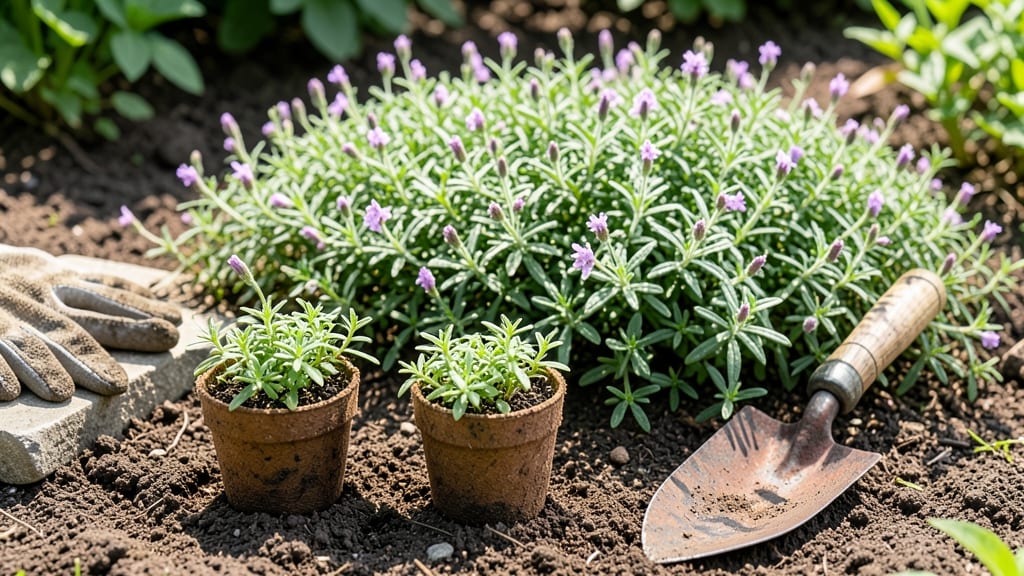
Planting creeping thyme in Colorado after the last frost date—typically late March to early April—sets your ground cover up for a vibrant, low-maintenance display that thrives year-round.
Colorado’s diverse elevation zones create unique planting challenges—but timing creeping thyme just right ensures vibrant ground cover that thrives year after year. Miss the window, and you risk frost damage or stunted growth, especially in USDA Zones 5-7.
Whether you’re in Denver’s Zone 5b or Colorado Springs’ Zone 6a, the key is planting in early spring or early fall. This hardy herb tolerates cold but needs time to root before winter sets in.
Below, I break down the exact frost-free dates by elevation, soil prep tips for cold-hardy herbs, and how to adjust for microclimates—so your creeping thyme takes hold fast and stays lush all season.
Colorado’s frost-free dates for creeping thyme by elevation Zone
Colorado’s dramatic elevation shifts—from 5,280 feet in Denver to over 14,000 feet in the Rockies—create wildly different frost-free windows for creeping thyme. Plant too early in high country, and a late frost will kill tender new growth.
Wait too long in lower elevations, and your thyme may struggle to establish before winter. The key is aligning your planting with USDA zones 5-7 and local frost data from Colorado State University.
Creeping thyme thrives in full sun and well-draining soil, but its cold hardiness (zones 5-9) means timing matters most. In Denver’s USDA Zone 5b, last frosts average April 15, while Aspen’s Zone 5a can see frost until May 1.
High-altitude gardens like those in Leadville (Zone 4) face even later risks—sometimes until June 1.
| Elevation Zone | USDA Zone | Avg. Last Frost | Avg. First Frost | Best Planting Window |
|---|---|---|---|---|
| Front Range (Denver, Boulder) | 5b-6a | April 15 | October 15 | March 20 - April 30 or Sept 1 - Sept 15 |
| Foothills (Colorado Springs) | 6a-6b | April 1 | October 30 | March 1 - April 15 or Sept 15 - Oct 1 |
| High Country (Aspen, Leadville) | 4-5a | May 1-15 | September 15 | May 1 - June 15 or Aug 1 - Sept 1 |
| Western Slope (Grand Junction) | 6b-7a | March 15 | November 1 | February 15 - April 1 or Sept 15 - Oct 15 |
Source: Colorado State University Climate Center (2023 frost data averages)
For lowland Front Range gardens (Denver, Boulder), aim to plant creeping thyme 2-3 weeks after your average last frost. This gives young plants time to root before summer heat arrives.
In Colorado Springs (Zone 6a), you can push planting slightly earlier—March 1—since the climate is drier and frosts are less severe.
High-altitude gardeners face the toughest challenge. In Aspen or Leadville, wait until after May 1 to plant, as late frosts are common. If you’re in Zone 4, consider starting thyme indoors in March and transplanting after June 1 to avoid frost damage.
Container gardening also helps—pots can be moved to sheltered spots during late frosts.
Fall planting offers a second chance, especially in lower elevations. In Denver, September 1-15 is ideal—thyme needs 6-8 weeks to establish roots before winter. In higher zones like Fort Collins (Zone 5a), extend the window to October 1, but avoid planting after September 20 in mountain areas.
Pro tip: Use Colorado State University’s frost calculator (agrilifeextension.colorado.edu) to input your exact elevation. For example, a garden in Golden (5,600 ft, Zone 5b) might have a last frost of April 20, while one in Evergreen (6,500 ft, Zone 5a) could see frost until May 5.
Adjust your timing accordingly.
Creeping thyme’s drought tolerance makes it perfect for Colorado’s dry climate, but soil prep is critical. Amend heavy clay soils with sand or gravel to prevent root rot. In high-altitude gardens, add compost to improve fertility—thyme grows slower at elevations above 7,000 feet.
If you’re unsure about your local frost dates, observe nearby <
How to adjust planting timing for Colorado’s microclimates
Colorado’s microclimates can shift planting windows by weeks, especially when comparing Denver’s urban heat islands to the mountain foothills or high-plains regions. For creeping thyme, this means adjusting your schedule based on soil warmth, frost risks, and sun exposure—not just calendar dates.
In Denver’s Zone 5b, where pavement absorbs heat, you can plant creeping thyme 2-3 weeks earlier than the official last frost date (around mid-March) because the ground warms faster.
Meanwhile, in Colorado Springs’ Zone 6a or Eagle County’s Zone 4**, you’ll need to wait until late April to avoid late frosts.
- 🌡️ Urban Heat Islands (Denver/Aurora): Plant March 15-30—soil warms 5-10°F faster than rural areas.
- 🏔️ Foothills (Boulder/Golden): Wait until April 10-20—higher elevation delays soil warmth by 2-3 weeks.
- 🌾 High Plains (Fort Collins/Greeley): Plant April 20-May 1—later frost risks persist until May 15.
- 🪴 Containers (All Zones): Use black pots to absorb heat—plant 2 weeks earlier than in-ground.
- 🌿 Fall Planting (All Zones): Aim for September 1-15—roots establish before first frost.
For soil prep, mix in compost or coarse sand to improve drainage—creeping thyme hates soggy roots. In well-draining clay soils (common in Denver), add perlite or grit to mimic its Mediterranean native habitat.
Apply a 2-3 inch layer of mulch (straw or gravel) after planting to regulate soil temperature. In container gardens, use gravel mulch to prevent waterlogging during Denver’s sudden spring downpours. This also helps containers warm up faster in cool microclimates.
If you’re in a late-frost-prone area like Grand Junction (Zone 6b), consider row covers or cloche protection until mid-May. For high-altitude gardens (above 7,000 ft), delay planting until after Memorial Day to avoid late-spring frosts that can blacken new growth.
Pro tip: Monitor your local Almanac frost predictions or use a soil thermometer—creeping thyme thrives when soil temps hit 50°F+. With these adjustments, your thyme will spread into a fragrant, drought-resistant carpet in just one growing season.