
Plants
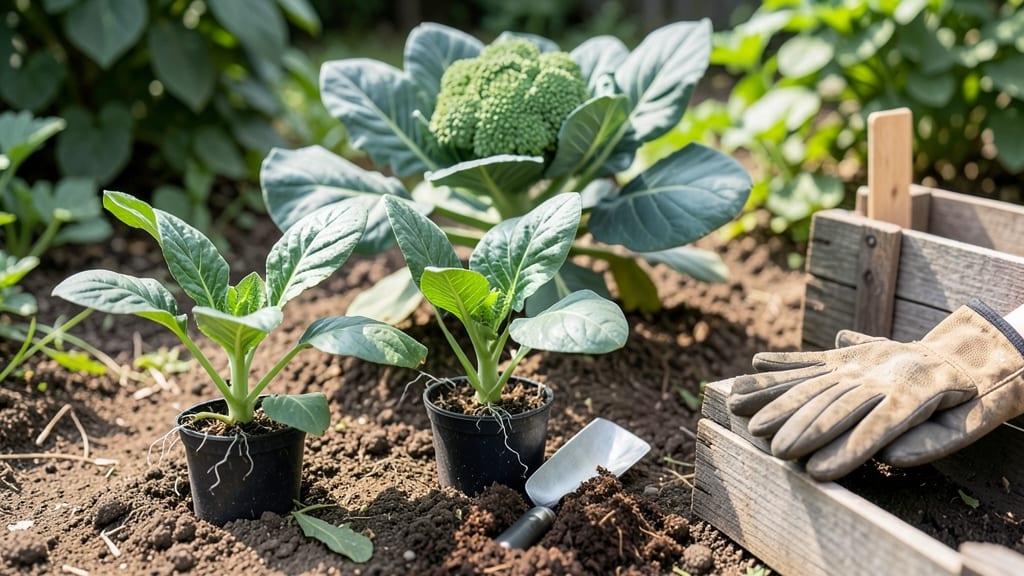
Planting broccoli in Colorado means timing it right to beat the frost—spring and fall windows are your best bets, with mid-March to early April for spring and late July to early August for fall.
If you’ve ever watched your 🥦 seedlings bolt or freeze before they even get a chance to grow, you know how critical those deadlines are. Colorado’s elevation zones throw a wrench into the plan: what works in Denver’s 5,000-foot valleys won’t cut it at 7,000 feet or higher.
Below, I break down the exact frost-free deadlines by elevation, the cold-hardy varieties that thrive in Colorado’s short seasons, and how to adjust your planting schedule if you’re gardening in the mountains.
You’ll also find out why transplanting vs. direct seeding makes a difference, how to prep your soil for maximum success, and the one mistake that ruins broccoli harvests faster than a late frost.
Colorado broccoli planting dates by elevation zone (with frost risk charts)
Colorado’s dramatic elevation shifts mean your broccoli planting dates can vary by weeks depending on whether you're in Denver's lowlands or the Rocky Mountain foothills. At 3,000 feet, you might plant in mid-March, while at 10,000 feet, you'll wait until late April.
Understanding these zones helps you avoid frost damage and bolting from heat stress.
Broccoli thrives in Colorado’s cool seasons, making spring and fall your best planting windows. The key is knowing your last frost date and adjusting for soil temperature—broccoli needs 40°F+ soil to germinate. High-altitude gardens also face shorter growing seasons, so timing is critical for a successful harvest.
Below is a comparison table of planting windows by elevation, including transplant dates, frost risk, and ideal harvest windows. Use this as your guide to plan for direct seeding (4-6 weeks before last frost) or transplanting (2-3 weeks before last frost).
For lowland gardens (3,000–5,000 ft), like those in Denver or Colorado Springs, aim to plant mid-March to early April for spring broccoli. This gives your plants enough time to mature before summer heat sets in.
Use cold-hardy varieties like 'De Cicco' to extend your season—it tolerates light frosts and produces well in cooler temperatures.
At mid-altitude (5,000–7,000 ft), such as in Fort Collins or Boulder, wait until late March to mid-April for direct seeding. Transplanting should happen 2–3 weeks before your last frost date to avoid cold snaps.
These areas often see unpredictable late frosts, so have row covers ready to protect young seedlings.
High-altitude gardens above 7,000 feet, like those in Leadville or Aspen, face the biggest challenges. Plant late April to early May for spring broccoli, using fast-maturing varieties like 'Waltham 29' to compensate for the shorter growing season.
Fall planting is risky but possible—start seeds indoors in July and transplant by mid-August for a late harvest.
Pro tip: Use soil thermometers to confirm 40°F+ soil temperatures before planting. Cold soil delays germination, and broccoli won’t thrive if it’s too chilly. In high-altitude zones, consider black plastic mulch to warm the soil faster and extend your planting window by 1–2 weeks.
For fall broccoli, plant seeds 90–100 days before your first frost. In lowlands, this means late July to early August, while high-altitude gardens should aim for mid-July. Choose cold-tolerant varieties again, and avoid planting too late—broccoli needs 60+ days to mature before winter sets in.
Remember: Colorado’s microclimates can vary even within cities. Check local CoCoRaHS weather stations or your USDA Plant Hardiness Zone map for precise data. With the right timing, you can enjoy fresh broccoli from spring to fall, even in our challenging climate!
🥦
How to extend broccoli season in Colorado using cold-hardy varieties
Colorado’s short growing seasons can make broccoli cultivation challenging, but cold-hardy varieties and smart planting strategies let you harvest well into fall—or even winter. The key is selecting slow-bolting varieties like 'De Cicco' or 'Waltham 29', which tolerate cooler temperatures better than standard types.
These varieties can handle light frosts (28°F or above) and even produce edible heads after a hard freeze (down to 20°F), making them perfect for Colorado’s unpredictable climate.
For maximum success, focus on fall planting (late July to early August) to extend your harvest window. This timing ensures mature heads form before the first frost, while still taking advantage of cooler autumn temperatures.
Pair this with row covers or cold frames to shield young plants from unexpected late-season chills. I’ve found that planting in well-draining, slightly acidic soil (pH 6.0–7.0) and providing consistent moisture helps these varieties thrive even as temperatures drop.
- 🌱 'De Cicco': Italian heirloom that tolerates 28°F+ frosts; harvest heads before they yellow. Ideal for fall planting in Colorado’s USDA zones 5-7.
- 🌿 'Waltham 29': Cold-resistant with broad, blue-green heads; thrives in cooler temperatures (down to 20°F). Perfect for high-altitude gardens (7,000+ ft).
- ✂️ Harvest timing: Pick heads when 4–6 inches wide and dark green. Side shoots will regrow if you leave 2–3 inches of stem attached.
- 💧 Watering strategy: Reduce frequency in fall but keep soil consistently moist. Avoid overhead watering to prevent disease in damp Colorado nights.
- 🌡️ Frost protection: Use row covers for young plants (under 6 inches) during 25–32°F nights. Remove covers during the day for sunlight.
One of my favorite tricks for extending the season is to plant a succession of varieties every 2–3 weeks starting in late July. This staggered approach ensures a continuous harvest as temperatures drop.
For example, 'De Cicco' matures faster (around 60 days) and can be followed by 'Waltham 29' (around 70 days) to push your harvest into November. Just be sure to harden off seedlings for 7–10 days before transplanting to avoid shock from Colorado’s temperature swings.
If you’re gardening in high-altitude areas (7,000+ ft), prioritize 'Waltham 29' or 'Green Goliath', which handle shorter growing seasons better. These varieties also resist bolting—a common issue when days get longer in late summer.
To further prevent bolting, avoid over-fertilizing with nitrogen and opt for a balanced 10-10-10 fertilizer instead. I’ve seen broccoli bolt prematurely in my Denver garden when I used too much nitrogen-rich compost, so moderation is key.
For a late-winter harvest, try overwintering broccoli with thick mulch (straw or leaves) and a cold frame. This method works best for 'De Cicco' and can yield tender heads as early as March.
Just remember to check for pests like cabbage worms under the mulch and remove them promptly. With these cold-hardy varieties and a few smart adjustments, you can enjoy fresh broccoli from June through November—or even December—right in Colorado!