
Plants
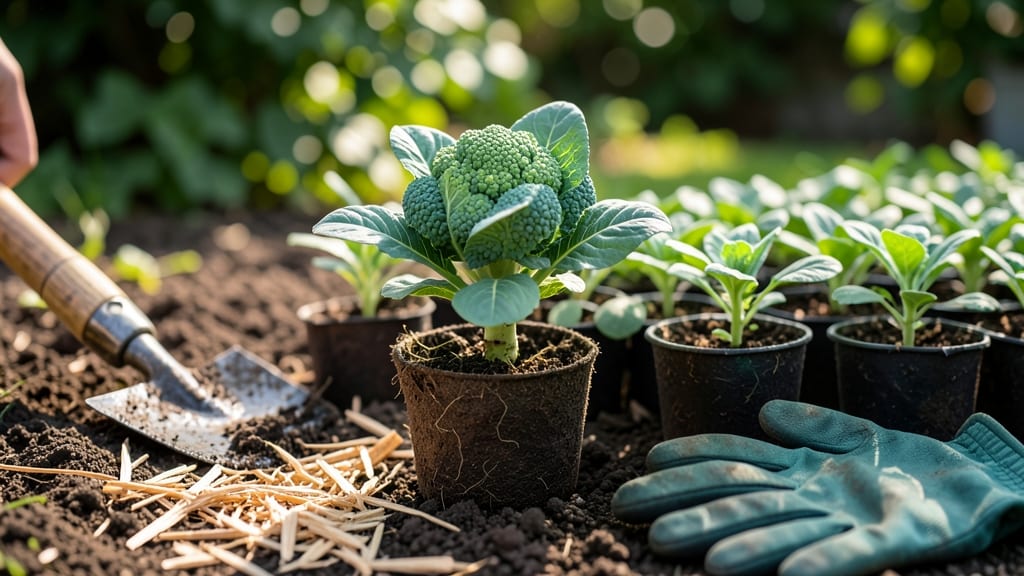
Planting fall broccoli in Zone 6 at the right time means the difference between a bountiful harvest and bitter disappointment.
Timing is everything when growing fall broccoli in Zone 6—plant too early, and you risk bolting from summer heat; too late, and frost ruins your harvest. Get the exact week-by-week deadlines to ensure tender, frost-free heads every season.
Broccoli 🥦 thrives in cooler weather, but it needs 8-10 weeks to mature before the first frost hits—typically mid-October in 6a-6b. That means your last planting window is around early September, but the ideal stretch runs from late July through August for a staggered harvest.
Below, I’ll break down the precise planting schedule, soil prep secrets, and how to adjust for your local microclimate to maximize your fall crop.
Zone 6 fall broccoli planting timeline: exact weeks for frost-free harvests
Fall broccoli thrives in Zone 6 when planted at the perfect moment—too early, and summer heat triggers bolting; too late, and frost ruins your harvest. The key is planting 8-10 weeks before the first frost, which in Zone 6 typically lands in mid-October.
This means your last transplant window is early September, but timing varies by variety and microclimate.
Broccoli requires soil temperatures between 45°F and 85°F for germination, but ideal transplanting temps are 60°F-70°F. In Zone 6, soil cools to these levels by late July to early August, creating a narrow window for direct sowing or transplanting.
I’ve broken down the exact weeks to plant for both head broccoli and sprouting varieties below.
Pro Tip: Use a soil thermometer to confirm temps before planting. If soil stays above 75°F for more than 2 weeks, broccoli will bolt prematurely. Mulch with straw or black plastic to regulate temperatures and retain moisture.
For head broccoli, aim to transplant by mid-August to ensure heads mature before frost. Varieties like 'Calabrese' take 70-80 days to harvest, so late August transplants risk frost damage. Sprouting broccoli, however, is more forgiving—plant up to early September for leaf harvests before frost.
Monitor your local frost dates using the USDA Plant Hardiness Zone Map or a frost calendar. In Zone 6, the average first frost is mid-October, but microclimates (like valleys or urban areas) can shift this by 1-2 weeks.
Adjust your timeline accordingly—if your area frosts earlier, plant 2 weeks sooner.
To extend your harvest, try succession planting: sow a new batch every 2-3 weeks from July to early September. This ensures a continuous supply of broccoli until frost. For example, plant 'De Cicco' in late July for early fall harvests, then 'Calabrese' in early August for late fall.
Prepare your soil by amending it with compost or aged manure to ensure it’s rich in nitrogen and phosphorus. Broccoli is a heavy feeder, so side-dress with 10-10-10 fertilizer 4-6 weeks after transplanting. Keep soil consistently moist (1 inch of water per week) to prevent bitterness and bolting.
If you’re starting from seed, direct sow in late July for fall crops, spacing seeds 1/2 inch apart and thinning to 18 inches apart once seedlings are 2 inches tall. For transplants, choose 4-6 week old seedlings with 4-5 true leaves for the best success rate.
How to adjust planting dates for broccoli varieties in Zone 6
Not all broccoli is created equal when it comes to fall planting in Zone 6. Head broccoli (like 'Waltham 29' or 'Calabrese') and sprouting broccoli (like 'Broccolini' or 'Calabrese Sprouting') have different cold tolerances and maturity timelines.
Head varieties need 70-90 days to harvest, while sprouting types mature faster at 50-70 days, making them ideal for late-season plantings.
Your last frost date in Zone 6 is typically mid-October, but head broccoli planted too late may not develop fully before cold snaps. Sprouting varieties, however, can handle cooler temps and even light frosts, giving you a 2-3 week extension in your planting window.
Here’s how to adjust your schedule based on variety and local microclimates:
For succession planting, stagger your sowings every 2-3 weeks from late July through early September. This ensures a continuous harvest window from October through December.
For example, plant head broccoli on July 25, August 15, and September 1—each batch will mature just as the previous one is ready for harvest.
If your first frost arrives earlier than expected (common in Zone 6b), prioritize sprouting varieties or use row covers to extend the season by 2-3 weeks. These lightweight fabrics trap heat and protect tender plants from light frosts, letting you harvest well into November.
Pro tip: Use a frost date calculator (like the one from the Old Farmer’s Almanac) to fine-tune your schedule. Adjust planting dates 1-2 weeks earlier if your area tends toward early frosts, or 1-2 weeks later if you have a sheltered microclimate.