
Planting
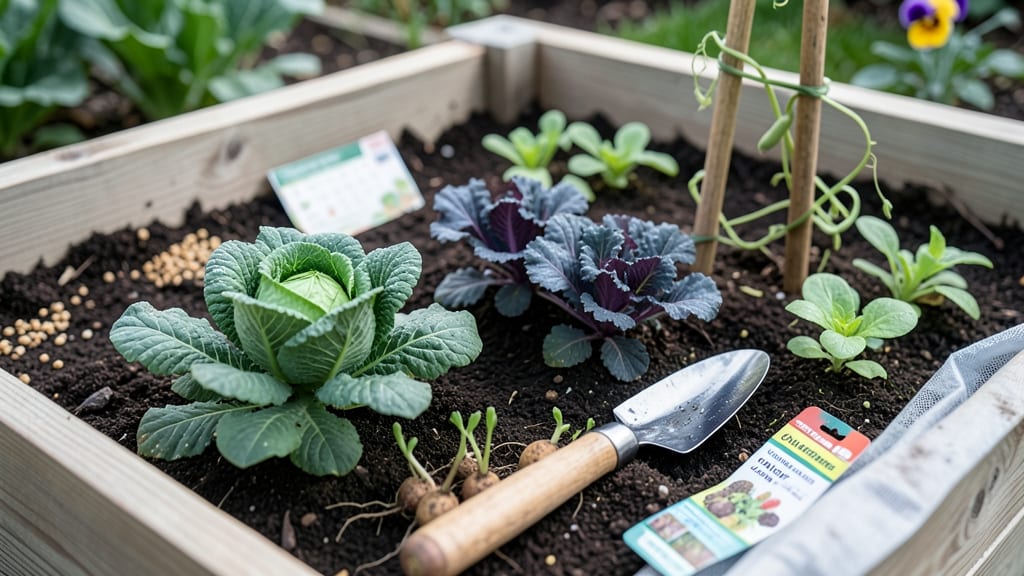
Planting a garden in North Dakota requires timing your crops to the shortest growing season in the Lower 48 — where a late frost can wipe out seedlings overnight and a short summer means every week counts.
If you’ve ever watched your hard-won seedlings turn to mush after a surprise May frost, you know the stakes. Or maybe you’ve missed the window for your favorite tomatoes and ended up with underripe fruit by September. North Dakota’s USDA Zones 3-4 demand a strategy that balances patience with precision.
Here’s the game-changer: a planting schedule tailored to your exact zone, whether you’re in Fargo’s Zone 4a or the colder stretches of Zone 3.
We’ll cover when to start seeds indoors, the ideal transplant dates for cool-season crops like cabbage, and how to stretch the season for tomatoes and peppers using row covers and cold frames.
By the end, you’ll know not just when to plant, but how to adjust for microclimates, choose the right varieties, and even push harvests into October. Let’s make this your most productive garden season yet.
North Dakota planting dates by USDA Zone (2024 frost-free guidelines)
North Dakota spans USDA Zones 3-4, where frost-free dates can vary by 2-3 weeks between northern and southern regions. In Zone 3 (Minot, Devils Lake), the average last frost arrives around May 15-20, while Zone 4 (Fargo, Grand Forks) typically sees frost-free conditions by May 1-10.
These dates are critical for timing cool-season crops like peas and spinach versus warm-season favorites such as tomatoes and peppers.
Historical data shows Zone 3 has a 90-day growing season on average, while Zone 4 enjoys 100-110 frost-free days. However, microclimates near lakes or urban areas can extend seasons by 7-10 days.
For example, Fargo’s river valley often warms faster than surrounding farmland. Always adjust planting dates based on your specific location’s 5-year frost averages—not just the zone.
To maximize your harvest, I recommend using row covers for early warm-season plants in Zone 3 or starting heat-loving crops indoors by March 15 for transplanting after the last frost. Even in Zone 4, late-May frosts aren’t unheard of, so plan for succession planting every 2 weeks for continuous yields.
Cool-season crops like kale, cabbage, and potatoes thrive when planted 4-6 weeks before your last frost. In Zone 3, that means early April for hardy varieties, while Zone 4 gardeners can start by mid-March. For warm-season plants, wait until soil temperatures reach 50°F (10°C)—typically late May in Zone 3 and early May in Zone 4.
🌱Pro Tip: Use frost cloth to protect tender seedlings until May 30 in Zone 3 or May 15 in Zone 4. This simple trick can add 2-3 weeks to your growing season for tomatoes, peppers, and cucumbers.
For Zone 3 gardeners, focus on early-maturing varieties like ‘Early Girl’ tomatoes (65 days) or ‘Yukon Gold’ potatoes (70 days). In Zone 4, you can afford slightly longer seasons with ‘Brandywine’ tomatoes (80 days) or ‘Blue Lake’ beans (55 days).
Always check seed packets for days to maturity—this determines your planting deadline based on your frost-free date.
🌿Key Adjustments: If you’ve had late frosts in past years, err on the side of planting later for warm-season crops. For example, in Zone 3, wait until June 1 to plant peppers if your area has a history of May frosts.
Conversely, Zone 4 gardeners can safely plant cucumbers by May 10 in most years.
Don’t forget about fall planting! Cool-season crops like spinach, radishes, and kale can be sown as early as August 1 in Zone 4 for harvest before first frost (October 10-20). In Zone 3, aim for
Best planting schedule for North Dakota crops (cool vs. warm season)
North Dakota’s short 90-day growing season means timing is everything. Cool-season crops like potatoes and cabbage thrive in spring’s chill, while tomatoes and beans need summer’s warmth. Below is my month-by-month planting guide for Zone 3-4, with succession planting tips to stretch harvests until frost.
Start with hardy varieties like 'Yukon Gold' potatoes (plant in late April) or 'Early Jersey Wakefield' cabbage (ready by June). For warm-season crops, opt for early-maturing types such as 'Stupice' tomatoes (harvest in 80 days) and 'Blue Lake' beans (ready in 55 days).
📅 North Dakota Planting Timeline
- Late April - Early May: Plant potatoes, peas, and spinach as soon as soil reaches 40°F. Use row covers for frost protection.
- Mid-May: Direct-sow cabbage, kale, and carrots. Start tomato and pepper seeds indoors (transplant after May 20).
- Early June: Plant beans, cucumbers, and squash after last frost (May 15 in most areas).
- Late June - Early July: Succession plant lettuce and radishes for fall harvests. Transplant basil and marigolds to deter pests.
- August: Sow spinach, turnips, and garlic for late-season harvests. Harvest cool-season crops before September 15.
For continuous harvests, stagger plantings every 2-3 weeks for crops like lettuce and radishes. Use black plastic mulch to warm soil for tomatoes and peppers in cooler zones. In Zone 4, delay planting until May 10 to avoid frost.
Protect tender plants with floating row covers during late May and September frosts. My favorite frost-hardy varieties include 'Northern Lights' broccoli (harvests at 55°F) and 'Red Norland' potatoes (store well in cool cellars).
Plan for fall harvests by sowing kale and beets in early August. These crops sweeten after frost and can be harvested until October 15. Always check local frost dates—your last frost may vary by 5-7 days from averages.
Extend your season with cold frames or low tunnels to harvest spinach and carrots until November. Start seeds indoors in March for early transplants of tomatoes and peppers, giving them a 2-week head start.