
Plants
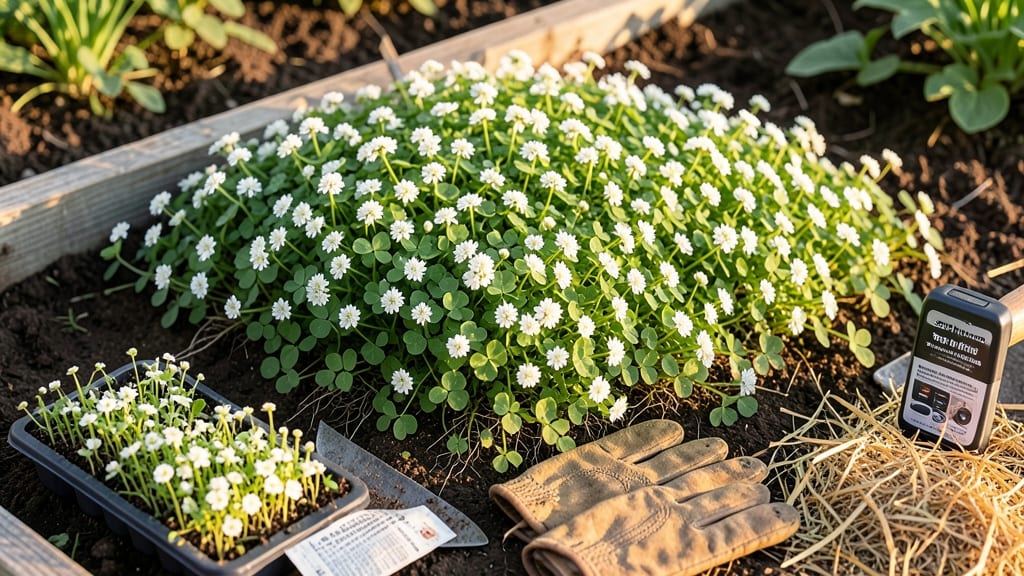
Planting clover in Utah depends on timing your seeds to the frost-free window—typically early spring or fall—so they germinate before the heat or cold sets in.
Here’s the catch: Utah’s microclimates—from the Wasatch Front’s USDA Zone 6 to the Southern Desert’s Zone 8—can shift your ideal planting dates by weeks. Get it wrong, and you’ll end up with patchy growth or wasted seed.
Whether you’re sowing white clover for pollinators, red clover for soil health, or alsike for shade tolerance, the key is matching your elevation and local frost patterns. I’ll break down the exact months for each Utah region, plus soil prep tricks to ensure your clover thrives.
By the end, you’ll know not just when to plant, but how to adjust for Utah’s unpredictable weather—so your clover patch becomes the lush, low-maintenance ground cover you’ve been dreaming of.
Utah’s frost-free windows for planting clover by region
Utah’s five distinct microclimates mean your clover planting window can vary by 6+ weeks from one region to another. Understanding these frost-free dates is crucial for establishing white clover, red clover, or alsike clover successfully.
Each area has unique USDA hardiness zones (5-8) and historical frost patterns that dictate the best time to plant.
For Northern Mountains (like Ogden Valley), expect late spring frosts that can linger until May 15. Meanwhile, Southern Utah’s desert valleys (such as St. George) may have earlier frost-free dates as early as March 1.
These differences directly impact when you should sow seeds for optimal germination and establishment.
Below is a region-by-region breakdown of Utah’s frost-free windows, including ideal planting months for each clover variety. Use this as your guide to align your planting schedule with local climate patterns and avoid common pitfalls like late-season frosts or drought stress.
In the Northern Mountains, where USDA Zone 5-6 conditions prevail, your last frost date often doesn’t arrive until May 15. This means you’ll need to wait until late May or June to plant red clover or white clover for optimal success.
For fall planting, aim for September to allow enough time for roots to establish before winter.
For the Wasatch Front, including Salt Lake City and Provo, the frost-free window is wider, giving you flexibility to plant white clover as early as March. This region’s USDA Zone 6-7 climate supports
How to adjust planting timing for Utah’s unpredictable weather patterns
Utah’s weather can throw off even the most experienced gardener—late snowmelt in the mountains, sudden early frosts in the valleys, and drought cycles that seem to arrive overnight.
For clover, which thrives in consistent soil temperatures between 50°F and 70°F, these fluctuations mean the difference between a thriving patch and wasted seed. The key is flexibility: adjusting your planting timeline based on real-time conditions rather than relying on averages.
Start by monitoring soil temperature with a simple soil thermometer—clover seeds won’t germinate until the top 2 inches of soil hit 50°F consistently. In Utah’s high-desert regions, this might not happen until mid-April, while lower elevations like St. George could be ready by early March.
If you’re planting in mountain foothills, wait until after the last frost date (typically mid-April in Zone 6) to avoid seed loss.
Here’s how to adapt your timing for Utah’s most common weather challenges:
🌱 Numbered Highlights: Adjusting for Utah’s Weather
- 1. Late Snowmelt: If snow lingers past mid-April, use seed coating (like hydrogel or polymer) to retain moisture until germination. Test soil moisture weekly—clover seeds need consistent dampness but won’t tolerate waterlogging.
- 2. Early Frosts: For fall planting, aim for September 1–15 in most Utah zones. Use row covers or mulch (straw or leaves) to protect young seedlings if frost threatens before October 15.
- 3. Drought Cycles: Plant white clover (drought-tolerant) in May–June if spring rains fail. Water deeply 2–3 times per week until established, then reduce to weekly once roots are deep.
- 4. Overseeding vs. Full Planting: Overseed existing lawns in late summer (August) when temperatures drop. For full-field planting, stick to spring (March–April) or early fall (September) for best success.
- 5. Companion Planting: Pair clover with grasses like Kentucky bluegrass to stabilize soil and reduce erosion. Avoid planting near alfalfa, which competes for nutrients.
Another trick for Utah’s variable elevations is to use staggered planting. Sow 20% of your seed in early spring (March) and the remaining 80% in late spring (April)high-altitude areas (above 7,000 ft), delay until late April or early May to avoid frost damage.
If you’re planting clover for pollinator support, prioritize white or red clover varieties, which bloom earlier in the season.
In Utah’s Southern Desert (Zone 8), you can even plant alsike clover in late winter (February) for a head start, but protect it from sudden cold snaps with lightweight row covers.
Finally, keep an eye on Utah’s historical frost data from the USDA Plant Hardiness Zone Map and local USU Extension offices. Adjust your timeline by 1–2 weeks earlier if your area has seen milder winters in recent years.
With these strategies, your clover will establish strong roots and thrive—no matter what Utah’s weather throws at it.