
Companion Plants
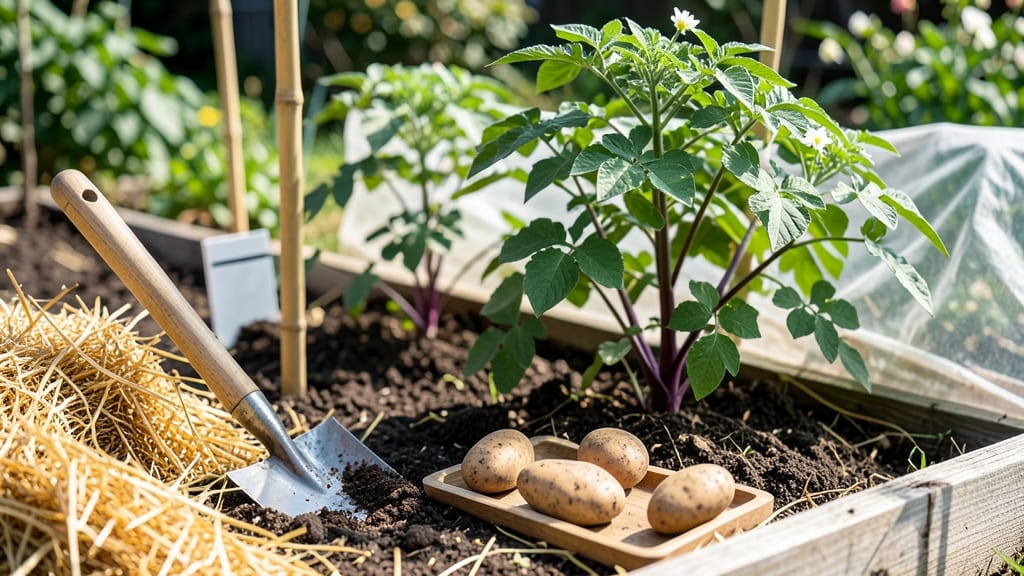
Planting potatoes in Michigan between mid-March and April is the key to avoiding frost damage and maximizing your harvest 🥔 — but the exact timing depends on your variety and region.
Michigan gardeners know timing is everything: plant too early, and frost will ruin your crop; too late, and you’ll miss peak harvest season. The Upper Peninsula and Lower Peninsula have different frost-free dates, so your planting window matters more than you might think.
Below, I break down the best planting schedule by variety type, soil temperature tips, and how to stretch your season with row covers. Whether you’re growing early Kennebecs or late Yukon Golds, this guide keeps your potatoes thriving.
You’ll also learn how to prep your soil, spot the signs of frost damage, and avoid the three mistakes that waste Michigan gardeners’ harvests every year.
Michigan potato planting timeline: frost-free dates by variety type
Michigan’s cool climate and variable frost dates make potato planting a delicate balance. The Upper Peninsula (USDA Zone 5) typically sees its last frost around May 15, while the Lower Peninsula (Zones 5b-6b) averages April 15-20.
Planting too early risks frost damage, while waiting too long cuts harvest season short. Here’s how to align your planting with Michigan’s regional frost-free windows and variety maturity.
Potatoes thrive in 60-90 day growing seasons, so timing depends on whether you’re growing early, mid-season, or late varieties. Early potatoes (like Yukon Gold) can handle cooler soils, while late varieties (like Kennebec) need warmer temperatures to mature.
I’ll break down the ideal planting windows for each category, plus how to adjust for Michigan’s two distinct growing regions.
Pro Tip: Use black plastic mulch or straw mulch to warm soil faster in colder zones. This can shave off 1-2 weeks from your planting window, especially in the Upper Peninsula.
| Variety Type | Days to Maturity | Lower Peninsula Planting Window | Upper Peninsula Planting Window | Harvest Window | Key Notes |
|---|---|---|---|---|---|
| Early Varieties | 60-80 days | March 15 - April 1 | April 1 - April 15 | June 15 - July 15 | Cold-tolerant; ideal for new potatoes and short seasons |
| Mid-Season Varieties | 80-100 days | April 1 - April 15 | April 15 - May 1 | July 15 - August 15 | Most versatile for Michigan; best yield |
| Late Varieties | 100-120 days | April 15 - May 1 | May 1 - May 15 | August 15 - September 15 | Need longer growing season; store well for winter |
| New Potatoes (Early Harvest) | 45-60 days | March 20 - April 5 | April 5 - April 20 | May 15 - June 15 | Harvest small tubers early; tender and waxy |
For the Lower Peninsula, aim to plant early varieties by March 30 to ensure harvest before summer heat stress. Mid-season potatoes (like Red Pontiac) planted in early April will yield by mid-July, perfect for fresh eating or storage.
In the Upper Peninsula, wait until soil temperatures reach 45°F (test with a soil thermometer) before planting, usually around April 15.
Michigan’s short growing season means succession planting can double your harvest. Plant a second crop of early varieties in late May if your first planting struggled with late frosts or pests. Just ensure tubers have at least 60 days to mature before the first frost in October.
Soil temperature is just as critical as air temperature. Potatoes won’t sprout until soil reaches 45°F, but ideal growth occurs at 60-70°F. Use a soil thermometer to confirm readiness—cool, damp soils delay germination. In Zone 5b (northern Lower Peninsula), this often means waiting until mid-April even if frost risk has passed.
If you’re extending your season, try row covers or cold frames to plant early varieties as soon as soil is workable (usually March 1 in the Lower Peninsula).
This can push your first harvest into late May, giving you a head start on fresh potatoes. Just remove covers when plants flower to prevent overheating.
For organic gardeners, focus on early and mid-season varieties like Adirondack Red or LaSoda, which thrive in Michigan’s cool, moist soils. Avoid late varieties unless you’re in Zone 6b (southern Lower Peninsula), where the growing season is 10-14 days longer than the UP.
Remember: Potatoes hate heat. Planting too late in May or June risks tuber formation during summer’s peak temperatures, leading to small, misshapen potatoes. Stick to the April planting window for the best balance of frost safety and ideal growing conditions.
Best potato varieties for Michigan gardens and their ideal planting windows
Michigan’s cool climate and short growing season demand potato varieties that thrive in USDA zones 5b-6b. Choosing the right type ensures higher yields and better flavor. My top 5 recommendations balance cold tolerance, disease resistance, and adaptability to Michigan’s variable frost dates.
For early harvests, Red Pontiac and Yukon Gold are my go-to varieties. They mature in 70-90 days, perfect for Michigan’s late-May to early-June harvest windows. If you prefer storage potatoes, Kennebec and Russet varieties store well for months.
| Variety | Days to Maturity | Planting Window | Yield Potential | Best For |
|---|---|---|---|---|
| Red Pontiac | 70-85 days | Early April - Mid-May | High (5-7 lbs/plant) | Fresh eating, cold storage |
| Yukon Gold | 80-90 days | Mid-April - Late May | Very High (7-10 lbs/plant) | Roasting, mashed potatoes |
| Kennebec | 90-110 days | Late April - Early June | High (6-8 lbs/plant) | Long-term storage, frying |
| Russet | 100-120 days | Late April - Early June | Very High (8-12 lbs/plant) | Baking, commercial use |
| Fingerling (e.g., Purple Peruvian) | 75-90 days | Early April - Mid-May | Medium (3-5 lbs/plant) | Gourmet dishes, salads |
For organic growing, I recommend Red Pontiac and Yukon Gold—both thrive with compost-based fertilizers and natural pest controls. Conventional growers often prefer Kennebec or Russet for their higher disease resistance and consistent yields.
Michigan’s Upper Peninsula has cooler soils, so plant 2-3 weeks earlier than the Lower Peninsula. Use black plastic mulch to warm soil faster in colder regions. Always plant seed potatoes (not grocery store potatoes) for best results.
My pro tip: Start seed potatoes indoors in late February for a head start. Place them in a sunny window or under grow lights until sprouts reach 2 inches, then transplant outdoors after the last frost. This extends your growing season by 3-4 weeks.
For late-season harvests, try succession planting with Fingerling varieties. Plant them in early June for a September harvest—just in time for fall feasts! Just remember to harvest before frost to avoid tuber damage.