
Plants
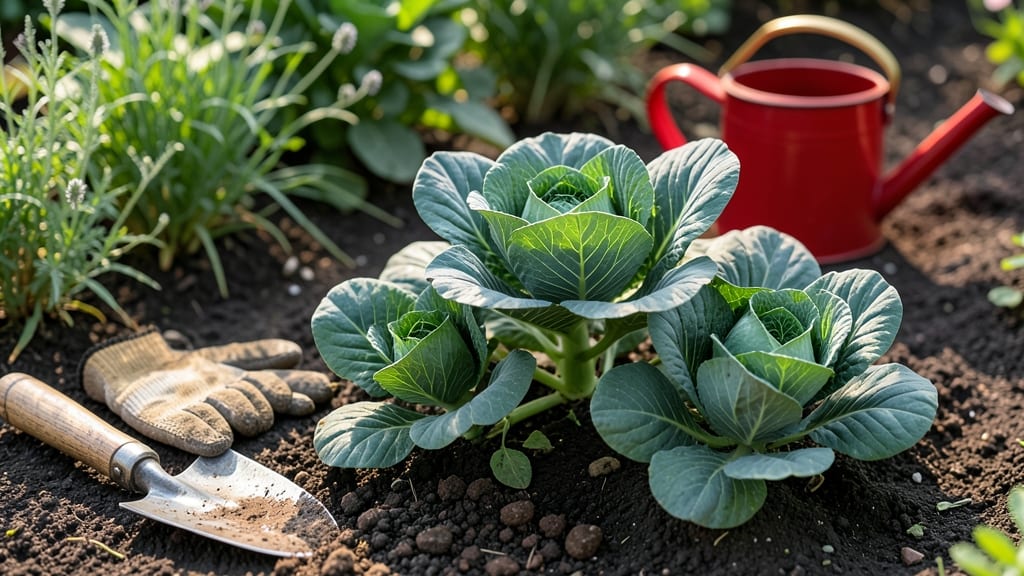
Planting cabbage in Georgia means timing it for cool seasons—February to March for spring and August to September for fall—to avoid the heat that makes it bolt or rot.
Georgia’s warm winters and humid summers create a unique growing window for 🥬, but planting too early or late can mean bolting, pests, or poor harvests. Timing is everything, and these zone-specific guidelines will ensure your cabbage thrives from seed to table.
In USDA Zones 7b-8b, the last frost typically hits around March 15, giving you a narrow window to get seeds in the ground before the soil warms. Meanwhile, fall plantings need to start by August to mature before the first frost in November.
Below, I’ll break down the best months for each season, how to prep your soil, and which varieties handle Georgia’s climate best—so you can enjoy crisp, homegrown cabbage all year long.
Best planting months for cabbage in Georgia by hardiness Zone
Georgia’s USDA Zones 7b-8a offer two prime windows for growing cabbage: early spring and late summer. Unlike northern climates, our mild winters and hot summers demand precise timing to avoid bolting or pest pressure.
I’ve grown cabbage here for years, and mastering these windows means the difference between firm, sweet heads and bitter, stunted plants.
For spring planting, aim for February through early March—4 to 6 weeks before your last frost date (typically around March 15). This gives seedlings time to establish before summer heat arrives.
In fall, plant August through mid-September, ensuring harvests before the first frost (mid-November). These windows align with soil temps between 45°F and 85°F, ideal for germination and growth.
Direct sowing works for both seasons, but transplants give you a head start. Start seeds indoors 6-8 weeks before outdoor planting or buy healthy 4-6 week old seedlings from local nurseries. Pro tip: Harden off transplants for 7-10 days before moving them outdoors to prevent shock.
| Planting Window | Ideal Months | Soil Temp | Variety Recommendations | Key Considerations |
|---|---|---|---|---|
| Spring Planting | February–March | 50°F–65°F | 'Golden Acre', 'Cavalo' | Plant 4–6 weeks before last frost; avoid summer heat stress. |
| Fall Planting | August–September | 60°F–75°F | 'Red Express', 'Early Jersey Wakefield' | Plant 10–12 weeks before first frost; use shade cloth if late. |
| Direct Sowing | February & August | 45°F–55°F | 'Tendercrisp', 'Blue Vantage' | Sow seeds ½" deep; thin to 18" apart for head space. |
| Transplanting | March & September | 55°F–70°F | 'Copenhagen Market', 'Ruby Perfection' | Use 4–6 week old starts; water deeply after transplanting. |
In Zone 7b (north Georgia), cooler nights mean you can push spring planting into early April without risking frost. But in Zone 8a (south Georgia), start by mid-March to avoid the oppressive summer heat. I’ve seen cabbage bolt in May when planted too late—its leaves turn bitter and flowers prematurely.
For fall cabbage, focus on heat-tolerant varieties like 'Red Express' or 'Early Jersey Wakefield'. These handle Georgia’s late-summer humidity better than traditional types. If planting in September, use shade cloth (30-50%) to protect seedlings from intense afternoon sun.
Mulch with straw or grass clippings to retain moisture and regulate soil temps.
Succession planting is key in Georgia’s long growing season. Sow new seeds every 2 weeks from February through March for a continuous spring harvest. In fall, repeat this from August through early September.
This staggered approach ensures you’re always harvesting fresh cabbage instead of facing a glut all at once.
Watch for cabbage worms and aphids, which thrive in Georgia’s humidity. I recommend row covers for young plants and neem oil sprays if pests appear. Organic growers swear by companion planting with thyme or dill to deter cabbage moths—it’s worked for me every season.
Finally, soil prep makes all the difference. Cabbage loves rich, well-draining soil with a pH of 6.5–7.0. Amend your beds with compost and aged manure before planting.
In Georgia’s clay-heavy soils, add sand or perlite to improve drainage. Test your soil in fall so you’re ready to plant by spring.
With these timing guidelines, you’ll enjoy homegrown cabbage from spring through fall—no more store-bought heads!
How to avoid common cabbage planting mistakes in Georgia’s climate
Georgia’s humid summers and mild winters create tricky conditions for growing cabbage. The biggest mistake I see is planting during peak heat, which causes bolting—when cabbage sends up flowers instead of forming heads.
Even worse, soil-borne diseases like black rot thrive in Georgia’s damp climate if you don’t prepare properly.
Another critical error? Ignoring microclimate differences. Coastal areas like Savannah stay warmer longer than Piedmont regions, so planting schedules must shift. For example, Athens gardeners can start seeds in late February, while Savannah growers should wait until March. These small adjustments prevent wasted effort and poor yields.
⚠️ callout warning ⚠️
Mistake: Planting cabbage in April or May without shade.
Why it fails: Soil temps above 75°F trigger bolting—your plants will flower instead of forming heads.
Fix: Use shade cloth (30-50%) or plant in partial shade during summer months. For fall crops, start seeds no later than August 15 in Piedmont or September 1 near the coast to avoid early frost.
Let’s talk soil preparation. Many Georgia gardeners skip testing their soil pH, but cabbage needs 6.0-7.0 pH to thrive. Our native clay soils often test too acidic—amend with lime 2-3 months before planting.
Also, avoid fresh manure, which can cause rot in Georgia’s heat. Instead, use composted organic matter to feed roots without overheating the soil.
For disease prevention, rotate crops—never plant cabbage where brassicas grew last year. Georgia’s humidity creates perfect conditions for downy mildew, so space plants 18-24 inches apart for airflow.
If you notice yellowing leaves, act fast: remove affected plants and treat with copper fungicide at the first sign of trouble.
Finally, don’t overlook succession planting. In Georgia’s climate, you can grow two full crops per year if timed right. Start a second planting in early July for a fall harvest, but use heat-tolerant varieties like ‘Cavalo’ or ‘Golden Acre’.
These varieties handle 90°F+ temps better than standard types, giving you a second chance at success.
By avoiding these common mistakes—proper timing, soil prep, disease control, and variety selection—you’ll enjoy crisp, homegrown cabbage from spring through fall in Georgia’s challenging climate. The key is planning ahead and adapting to your local conditions. 🥬