
Plants
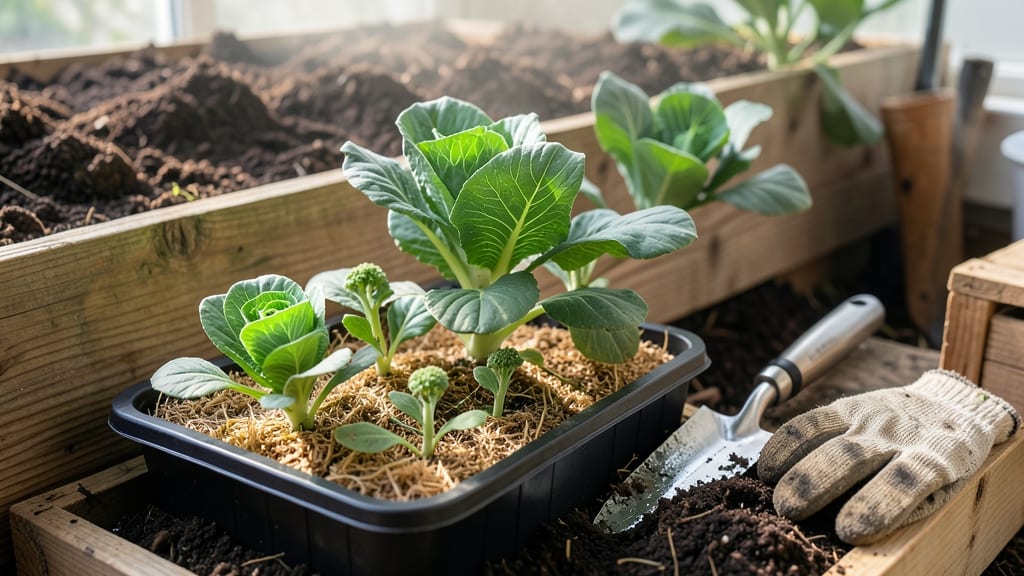
Planting cabbage in Zone 6b at the wrong time means bitter, bolted heads—no matter how much care you put in.
Cabbage bolting—when your plants prematurely flower and go bitter—can ruin your harvest. In Zone 6B, timing is everything, but getting it wrong means wasted effort. Here’s the exact planting schedule to grow perfect 🥬 heads every season.
Spring is your best bet in Zone 6B, with seeds sown 4-6 weeks before your last frost (around mid-March) for a summer harvest. But don’t overlook fall plantings—start seeds indoors 10-12 weeks before the first frost (early August) for crisp heads in October.
Below, I’ll break down the precise weeks before/after frost to avoid bolting, plus soil prep tips and variety choices that thrive in Zone 6B’s climate.
Optimal cabbage planting windows in Zone 6B: exact weeks before/after frost
In Zone 6B, where the last spring frost typically hits around April 15 and the first fall frost arrives by October 15, cabbage thrives when planted at precise intervals.
Miss these windows, and you risk bolting—when plants prematurely flower and turn bitter. The key is understanding how many weeks before/after frost to plant for perfect heads.
For spring plantings, aim to sow seeds or set transplants 4-6 weeks before your last frost date. This translates to mid-March to early April in most of Zone 6B. Fall crops, however, need a longer growing season.
Start them 10-12 weeks before the first frost, landing you in late July to early August for a fall harvest.
Spring plantings give you the earliest harvests, but fall crops often produce sweeter, tighter heads thanks to cooler temperatures. For a continuous supply, I recommend planting three successive batches: one in early spring, one in late spring, and one in early fall.
This ensures you have fresh cabbage from May through October without gaps.
If you're starting seeds indoors, begin them 6-8 weeks before your target outdoor planting date. Use a grow light to provide 12-14 hours of light daily, and harden them off for 7-10 days before transplanting. This method lets you extend your growing season by 3-4 weeks on either end.
For heat-tolerant varieties like 'Cavalo' or 'Golden Acre', you can push your fall planting slightly later—up to mid-August—but be prepared to use shade cloth during heatwaves to prevent bolting. These varieties can handle warmer soil temperatures better than standard types.
Always test your soil's pH level (aim for 6.5-7.0) and add compost or aged manure before planting. Cabbage is a heavy feeder, so rich soil is non-negotiable. I like to mix in a balanced fertilizer (10-10-10) at planting time to give my plants a strong start.
Finally, monitor your plants for signs of stress like yellowing leaves or stunted growth, which can signal bolting. If you notice these early, provide afternoon shade and reduce watering slightly to help them recover. A little extra care at this stage can save your entire crop.
With these precise planting windows and a few proactive steps, you’ll enjoy crisp, sweet cabbage heads all season long—no bolting in sight! 🥬
How to adjust planting for bolting prevention: soil temp, variety choices, and successive plantings
Soil temperature is the #1 factor preventing cabbage bolting in Zone 6B. Your goal? Keep soil between 45–85°F—any hotter, and your plants will bolt. In spring, wait until soil warms to 50°F before planting; in fall, aim for 60–70°F soil to slow growth and delay bolting.
A soil thermometer is your best friend here.
Heat-tolerant varieties like 'Golden Acre' or 'Cavalo' are your secret weapons. These late-maturing types handle summer heat better than standard varieties. For fall plantings, choose 'Red Express' or 'Early Jersey Wakefield', which form heads faster in cooler temps.
Always check seed packets for days-to-maturity—pick varieties that align with your frost dates.
Pros:
- 4–6 weeks before last frost
- Cooler soil (45–65°F)
- Longer harvest window
Cons:
- Risk of frost if planted too early
- Slower growth in cold soil
Pros:
- 10–12 weeks before first frost
- Warmer soil (60–85°F)
- Faster head formation
Cons:
- Bolting risk if soil too hot
- Shorter harvest window
For a 6-month supply of cabbage, use successive plantings every 2–3 weeks. Start with early varieties in March, then follow with mid-season types in April and late varieties in May.
Repeat this schedule in July–August for fall harvests. Space rows 18–24 inches apart to avoid overcrowding, which stresses plants and triggers bolting.
If your soil runs hot, mulch heavily with straw or black plastic to keep roots cool. For container growers, use self-watering pots and place them in partial shade during 90°F+ days.
Even a 30% shade cloth can prevent bolting in peak summer. Monitor your plants daily—yellowing leaves or tall, thin stems mean it’s too late to save that batch.
Pro tip: Hardening off seedlings for 7–10 days before transplanting reduces shock and bolting risk. Acclimate them to outdoor temps gradually, especially if you’re planting in late spring when nights are still chilly.
Pair this with even watering—never let soil dry out completely—and you’ll avoid the #1 cause of bolting in Zone 6B.
With these adjustments, you’ll enjoy crisp, sweet cabbage heads from June through October—no bolting in sight! 🥬